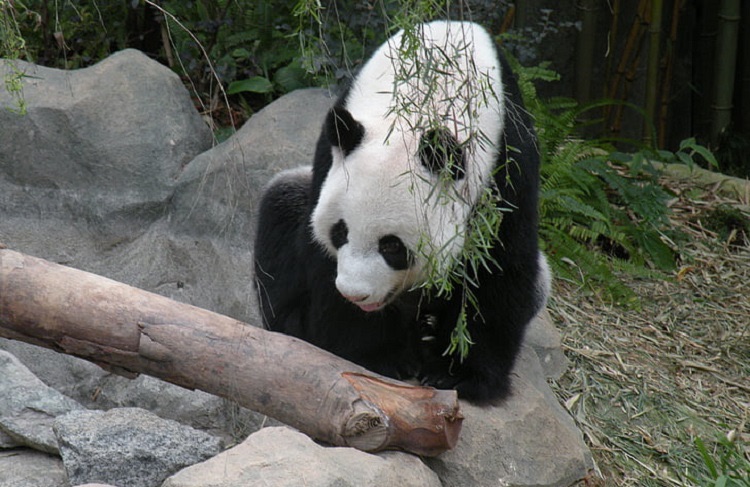
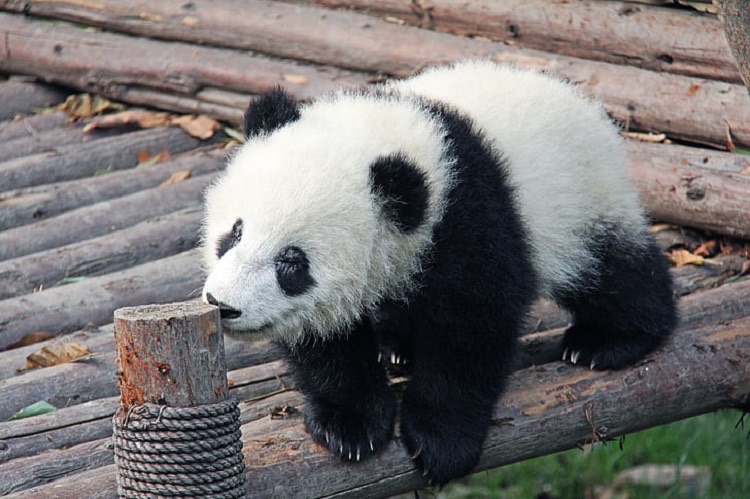
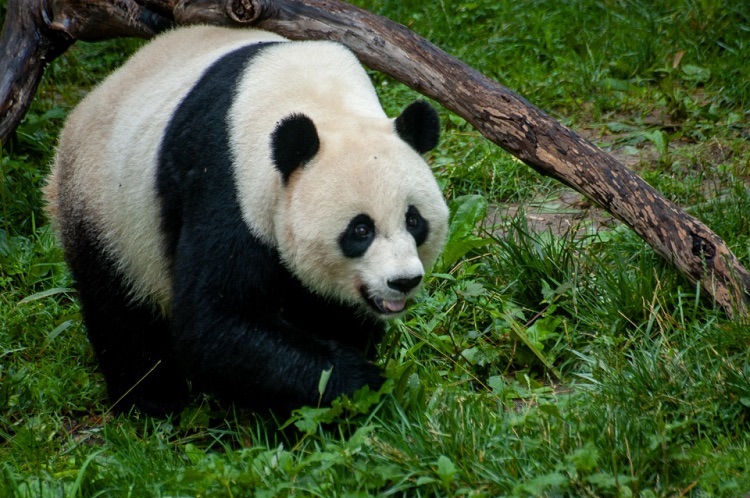
The Giant panda is one of the most beloved animals on Earth—instantly recognizable with its black-and-white coat, calm nature, and bamboo-filled diet. Often seen as a symbol of wildlife conservation, the giant panda has also been at the center of global efforts to save endangered species.
But despite their popularity, they still face serious survival challenges.
What is a giant panda?
Giant pandas are bear species native to China, mainly found in mountainous bamboo forests. Unlike most bears, they have a very specialized diet and lifestyle.
Black-and-white fur pattern for camouflage in snowy forests and shadows Strong jaw muscles for crushing bamboo Solitary and peaceful behavior Dependence on bamboo for nearly all food
Even though they belong to the bear family, they behave quite differently from other bears.
Bamboo: their main food source
One of the most unique things about pandas is their diet:
99% of what they eat is bamboo They eat 12–38 kg of bamboo per day They must eat for up to 14 hours daily
Even though they have a carnivore digestive system, pandas evolved to rely almost entirely on bamboo due to habitat changes over time.
Lifestyle and behavior
Giant pandas are generally:
Solitary animals Calm and non-aggressive Slow-moving, conserving energy Most active during early morning and evening
They spend most of their time:
Eating bamboo Sleeping or resting Marking territory with scent
Despite their cute appearance, they are still wild bears.
Why are giant pandas endangered?
The giant panda is no longer considered “critically endangered” due to conservation success, but it is still classified as vulnerable.
Here are the main reasons they became endangered:
1. Habitat loss
The biggest threat is destruction of bamboo forests due to:
Agriculture expansion Infrastructure and road building Logging (historically)
Pandas need large, connected forests to survive, but their habitat has become fragmented into isolated patches.
2. Bamboo dependency
Their survival depends heavily on bamboo:
Bamboo has natural flowering cycles every 20–100 years After flowering, bamboo dies off Pandas may struggle to find food in affected areas
Because they are not good at switching diets, they are vulnerable to food shortages.
3. Low reproductive rate
Pandas reproduce slowly:
Females are fertile only 1–3 days per year Usually give birth to one or two cubs Cubs are extremely vulnerable at birth
This makes population recovery very slow.
4. Climate change
Rising temperatures affect bamboo forests:
Bamboo grows in cool mountain regions Climate change forces bamboo to shift to higher elevations This reduces available habitat over time
5. Human fragmentation
Roads, villages, and development divide panda populations:
Isolated groups cannot easily breed Genetic diversity decreases Survival becomes harder in small populations
Conservation success story
The giant panda is actually one of the biggest conservation success stories in modern wildlife protection.
Efforts include:
Creation of protected reserves in China Reforestation of bamboo habitats Wildlife corridors connecting isolated populations Captive breeding programs
Because of these efforts, panda populations have increased in recent years.
Ecological importance
Pandas are considered a flagship species, meaning:
Protecting them helps protect entire ecosystems Bamboo forests support many other species Conservation efforts benefit biodiversity as a whole
Native to China Eats mostly bamboo Solitary and peaceful animals Once endangered, now vulnerable Symbol of global conservation efforts
The giant panda is more than just a cute animal—it represents what is possible when conservation works. While they are no longer on the brink of extinction, they still depend on continued protection to survive in the wild.
 ☄️WELCOME TO FACENOTEE.COM🕳️👍🏿
Leave a comment