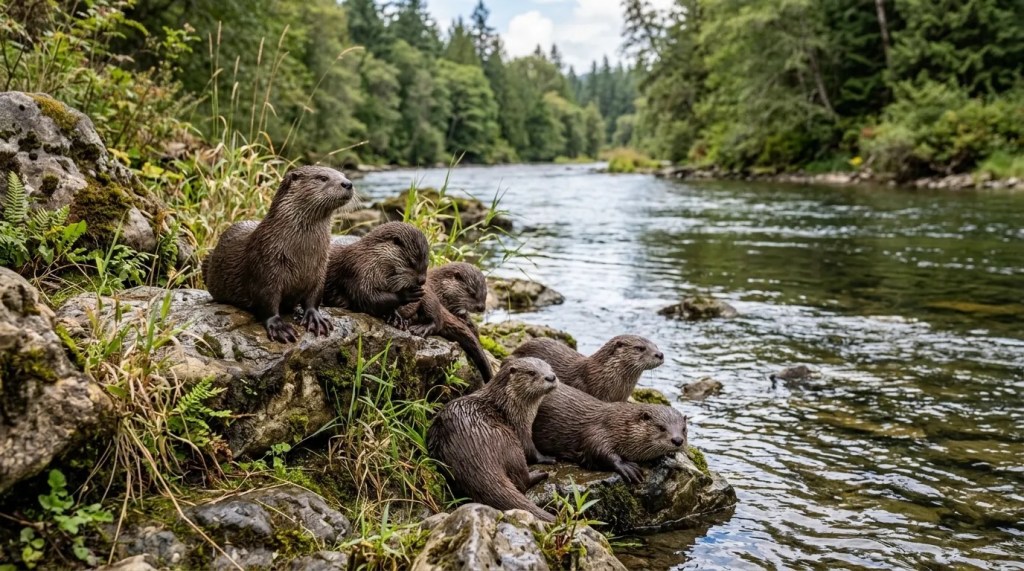
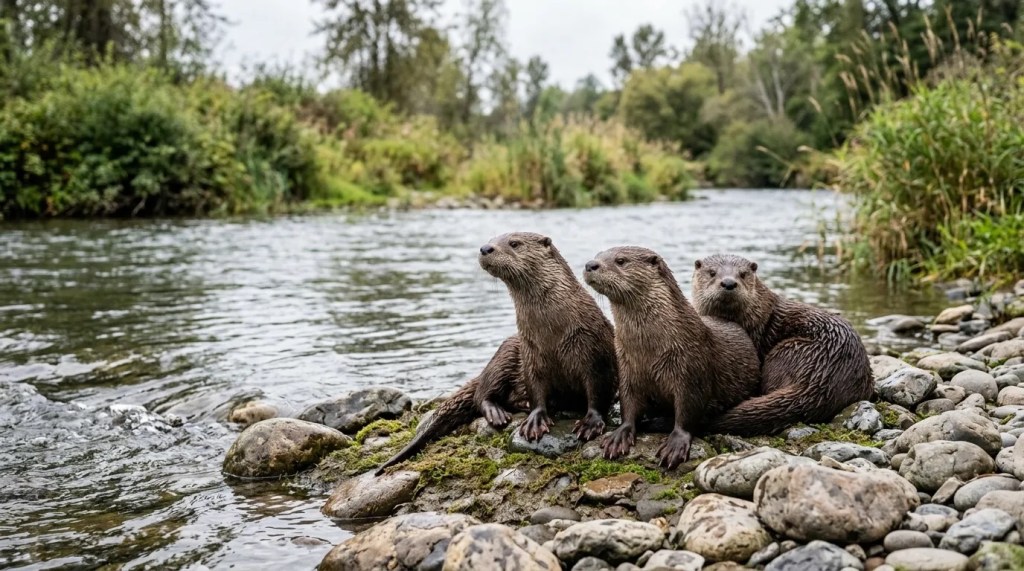
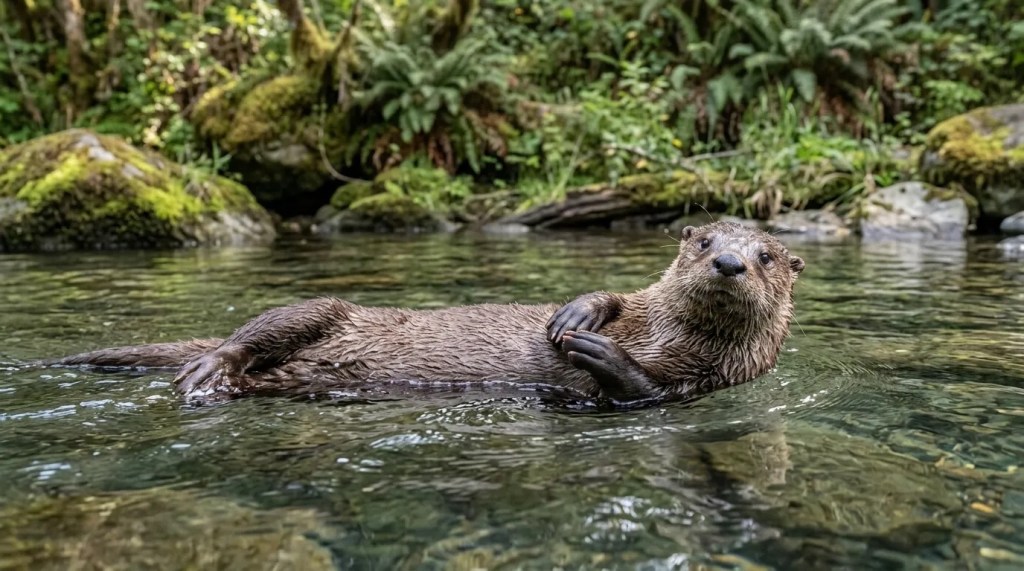
The Otter is one of the most adorable animals on Earth—playful, intelligent, and extremely social. They’re often seen floating on their backs, holding hands, or sliding into water with joy. Because of this cuteness, many people wonder: “Can I keep an otter as a pet?”
Short answer: they are amazing animals… but terrible pets for almost everyone.
Let’s break it down.
What is an otter?
Otters are semi-aquatic mammals found in rivers, lakes, and coastal waters. There are several species, including sea otters and river otters.
Highly intelligent and curious Excellent swimmers Very social animals Play for a large part of their day
They belong to the weasel family, which also includes badgers and ferrets.
Why people think otters would make great pets
Otters are incredibly charming:
They hold hands while floating (called “rafting”) They use tools, like rocks, to open shells They are playful and energetic They seem affectionate and social
Because of this, social media has made them look like perfect cuddly companions.
But reality is very different.
Why otters are terrible pets
Even though they look cute, keeping an otter as a pet is extremely difficult and often harmful to the animal.
1. They need huge aquatic space
Otters don’t just “like water”—they depend on it.
Need large, clean pools or flowing water systems Must swim and dive daily for physical and mental health Bathtubs or small tanks are nowhere near enough
Without proper water space, they suffer stress and illness.
2. Extremely intelligent (and destructive)
Otters are clever problem-solvers:
They can escape cages easily They chew, dig, and tear objects apart They get bored quickly and become destructive indoors
A bored otter can wreck furniture, pipes, and even enclosures.
3. They are highly social animals
Otters live in groups in the wild:
They need constant interaction A single otter kept alone can become depressed or aggressive Even humans cannot replace otter-to-otter social bonding
4. Specialized diet
Otters eat a diet that is not simple to replicate:
Fish, crustaceans, shellfish High protein needs Must eat frequently throughout the day
Feeding them properly is expensive and complex.
5. They can be aggressive
Despite their cute image:
Otters have sharp teeth and strong bites They can become territorial or stressed in captivity They are not domesticated animals
Legal and ethical issues
In many countries, keeping otters as pets is:
Restricted Illegal without special permits Regulated due to wildlife protection laws
Even where it is legal, wildlife experts strongly discourage it.
Life in the wild vs captivity
In nature, otters:
Swim long distances daily Hunt and forage naturally Live in complex social groups Spend hours playing and grooming
In captivity, many of these behaviors are restricted, which can lead to stress and poor health.
Why otters matter in ecosystems
Otters are important environmental indicators:
They help control fish and shellfish populations Their presence shows clean, healthy waterways They maintain balance in aquatic ecosystems
Better way to enjoy otters
Instead of owning one, you can:
Visit aquariums or wildlife sanctuaries Support otter conservation programs Watch documentaries or live cams Protect rivers and coastal habitats
Extremely intelligent and playful Need large aquatic environments Highly social animals Difficult and unethical as pets for most people Important for healthy ecosystems
Otters are truly “otterly wonderful” in the wild—fun, smart, and full of personality. But that same intelligence and energy is exactly why they don’t belong in homes. The best way to love an otter is to let it stay wild, where it belongs.
 ☄️WELCOME TO FACENOTEE.COM🕳️👍🏿
Leave a comment