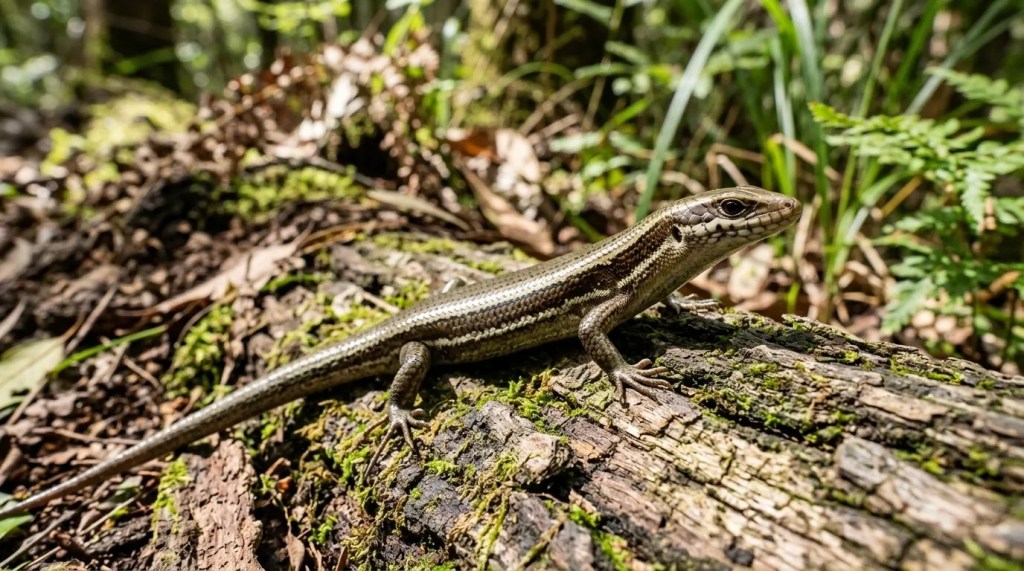
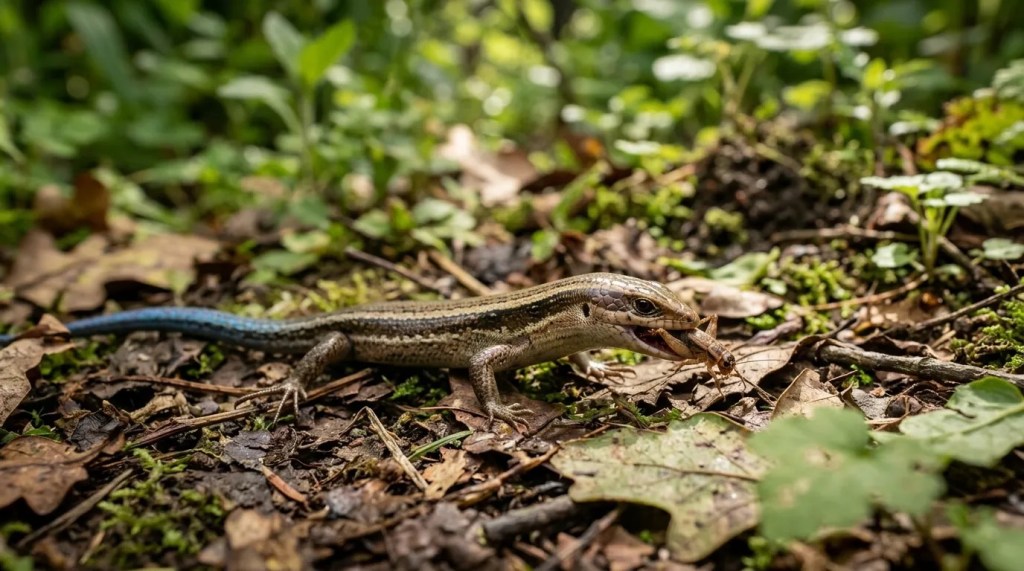
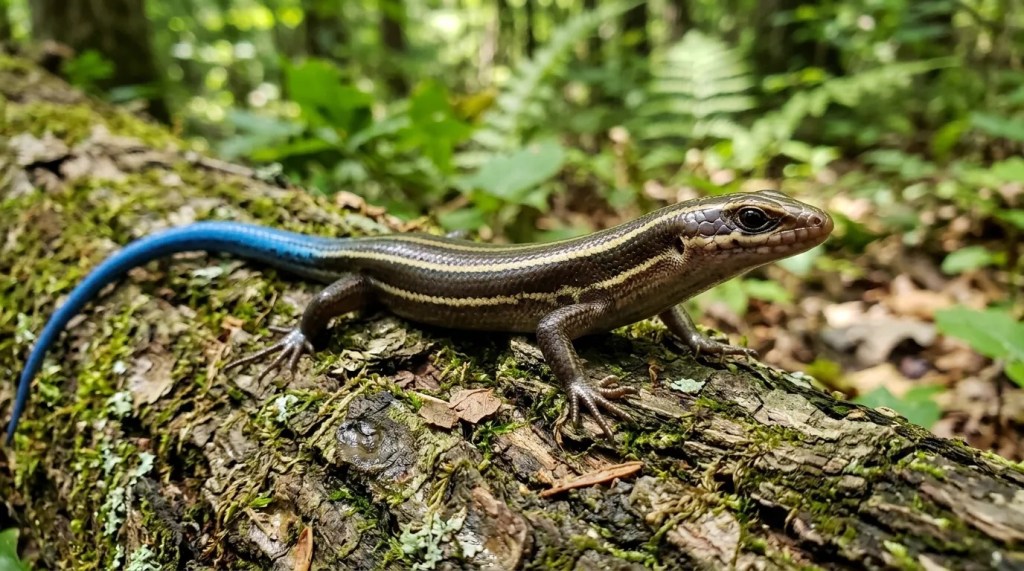
The Skink is a type of lizard found in many parts of the world, including Africa, Asia, Australia, and the Americas. They are often small, smooth-bodied, and fast-moving reptiles that hide under rocks, logs, and leaf litter.
A common question people ask is: “Are skinks poisonous?”
The short and simple answer is:
No, skinks are not poisonous or venomous to humans.
But let’s clear up the confusion properly.
Poisonous vs venomous (important distinction)
First, a quick science clarification:
Poisonous = harmful if eaten or touched Venomous = injects toxins through bite or sting
Skinks are neither poisonous nor venomous to humans.
Do skinks have toxins at all?
Most skinks:
Do not produce venom Do not have dangerous toxins Are completely harmless to people
However, a few rare species of lizards (not typical skinks) may have mild chemical defenses, but these are not medically dangerous to humans.
So in practical terms:
You can safely observe skinks without risk.
Are skinks dangerous in any way?
Not really. Skinks are:
Shy and non-aggressive Quick to flee when disturbed More interested in hiding than fighting
If handled, the worst they might do is:
Bite defensively (rare and minor) Drop their tail (a defense mechanism called autotomy)
The tail later regrows over time.
What do skinks eat?
Skinks are helpful insect-eaters:
Insects Spiders Worms Small invertebrates
Because of this, they are actually beneficial in gardens and homes, helping control pest populations.
Where do skinks live?
Skinks are extremely widespread:
Forests Grasslands Deserts Urban gardens
They are one of the most diverse lizard groups in the world.
Why people think skinks are poisonous
This myth usually comes from:
Confusion with other reptiles (like snakes or monitor lizards) Fear of unfamiliar reptiles Misleading stories online
In reality, skinks are among the least dangerous reptiles you can encounter.
Some skinks have tiny or hidden legs (almost snake-like) They are very fast and excellent burrowers They can regenerate their tails Many species are diurnal (active during the day) Some species give live birth instead of laying eggs
Skinks are:
✔ Not poisonous
✔ Not venomous
✔ Harmless to humans
✔ Helpful insect hunters
They are shy, harmless reptiles that prefer avoiding humans rather than interacting with them.
 ☄️WELCOME TO FACENOTEE.COM🕳️👍🏿
Leave a comment