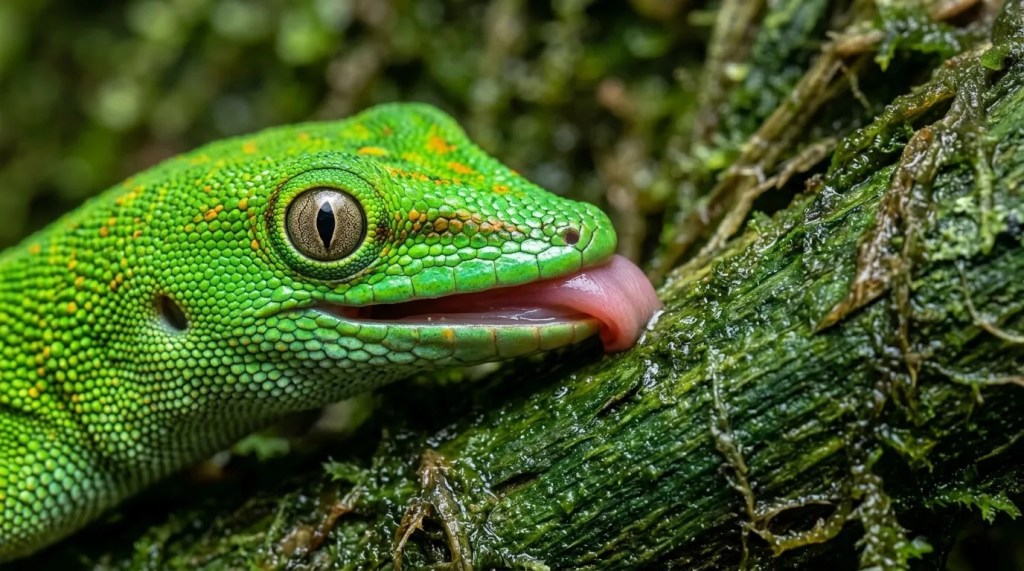


The Gecko is a fascinating group of small to medium-sized lizards known for their sticky feet, ability to climb almost any surface, and their unique vocal sounds. Found in warm climates around the world, geckos are one of the most successful and adaptable reptiles on the planet.
Let’s explore their habitat, behavior, and types in detail.
What is a gecko?
Geckos are a diverse group of lizards belonging to the reptile family Gekkonidae. Unlike many reptiles, they are often active at night and are famous for their ability to climb walls and ceilings.
Sticky toe pads for climbing smooth surfaces Mostly nocturnal (active at night) Small to medium-sized bodies Some species can make chirping or clicking sounds
Habitat: where do geckos live?
Geckos are found in many parts of the world, especially in warm climates:
Tropical rainforests Deserts Rocky areas and cliffs Urban homes and buildings
They are extremely adaptable, which is why you often see them on walls and ceilings in tropical countries.
Why geckos can stick to walls
One of the most amazing features of geckos is their climbing ability.
Their toes are covered with millions of tiny hair-like structures called setae, which create molecular attraction forces (van der Waals forces). This allows them to:
Walk on glass Climb ceilings Stick without glue or suction
They can even detach their grip instantly when needed.
Behavior and lifestyle
Geckos are mostly nocturnal, meaning they are active at night.
Typical behavior includes:
Hunting insects like mosquitoes and moths Hiding in cracks or behind objects during the day Using tail movement and body signals to communicate Some species vocalize with chirps or squeaks
They are generally shy and avoid humans.
Diet
Geckos are insectivores, meaning they eat mostly insects:
Mosquitoes Flies Crickets Moths Small spiders
Because of this, they are helpful in controlling household pests.
Types of geckos
There are over 1,500 species of geckos worldwide. Some popular types include:
House gecko
Common in homes Small and light-colored Often seen on walls at night
Leopard gecko
Popular pet species Has spotted pattern Ground-dwelling (does not climb walls like others)
Tokay gecko
Larger and more vocal Known for loud “to-kay” calls Strong bite when threatened
Day gecko
Active during the day Bright green or colorful appearance Found mainly in Madagascar and islands
Intelligence and survival
Geckos are not “smart” like mammals, but they are highly adapted:
Can escape predators by dropping their tail (autotomy) Regrow their tails over time Excellent spatial memory for hiding spots Quick reflexes for catching insects
Are geckos dangerous?
No, geckos are harmless to humans:
Not venomous Do not attack people Rarely bite, and only when threatened Some may carry bacteria if handled, but they are generally safe to observe
Ecological importance
Geckos play an important role in ecosystems:
Control insect populations naturally Serve as food for larger predators like birds and snakes Help maintain ecological balance in tropical environments
Found in warm climates worldwide Can climb smooth surfaces using special toe pads Mostly nocturnal Eat insects and pests Over 1,500 species exist
Geckos may be small, but they are one of nature’s most impressive climbers and pest controllers. Their ability to thrive in forests, deserts, and even human homes makes them one of the most successful reptile groups in the world.
 ☄️WELCOME TO FACENOTEE.COM🕳️👍🏿
Leave a comment