
History of Seychelles
Early History (Before settlement)
The islands of Seychelles were uninhabited for most of human history. There were no indigenous populations before Europeans arrived. The islands were known only through occasional sightings by Arab and European sailors traveling across the Indian Ocean.
Discovery and Early European Contact
In the 1500s, Portuguese explorers were among the first Europeans to map the islands, but they did not settle there. The islands remained largely untouched for more than 200 years.
French Settlement (1700s)
In the mid-1700s, France began settling Seychelles. The islands were named after French officials, including Jean Moreau de Séchelles. French settlers established plantations growing spices, coconut, and later cinnamon.
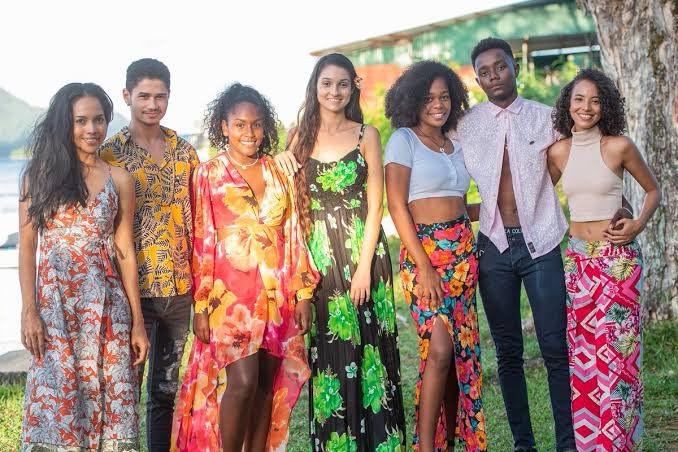
Enslaved Africans and people from Madagascar and other regions were brought to work on plantations, shaping the early population and culture of the islands.
British Rule
During the Napoleonic Wars, Britain took control of Seychelles in 1814 under the Treaty of Paris. The islands remained under British rule for over 150 years.
Under British administration, plantation agriculture continued, and Seychelles became part of the British colonial system in the Indian Ocean region.
Move Toward Independence
In the 1900s, political awareness grew, and local leaders began pushing for self-rule. After gradual political reforms, Seychelles moved toward independence peacefully.
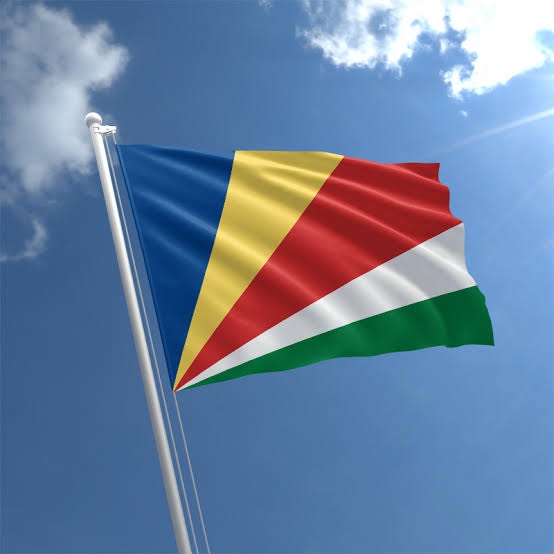
On June 29, 1976, Seychelles became an independent republic. James Mancham became the first president, while France-Albert René later played a major role in shaping the country’s political system.
Post-Independence Period
After independence, Seychelles experienced political change, including a brief period of one-party rule after 1977. In the 1990s, the country returned to a multi-party democratic system.
Since then, it has held regular elections and maintained relative political stability.
Modern Seychelles
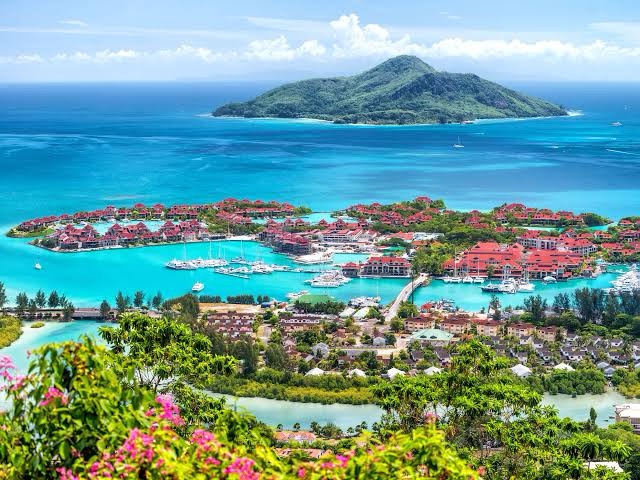

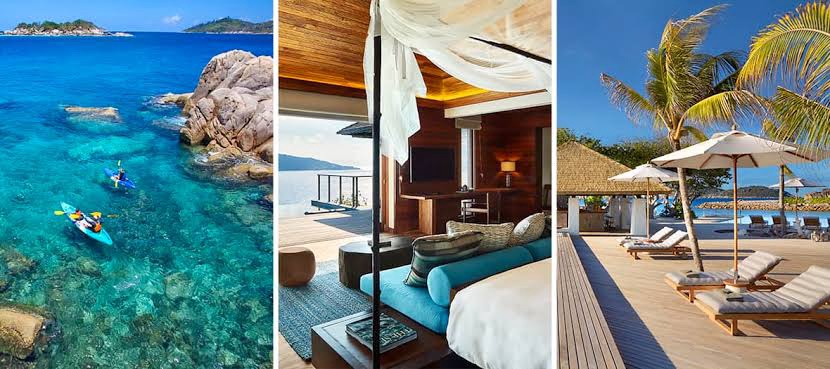

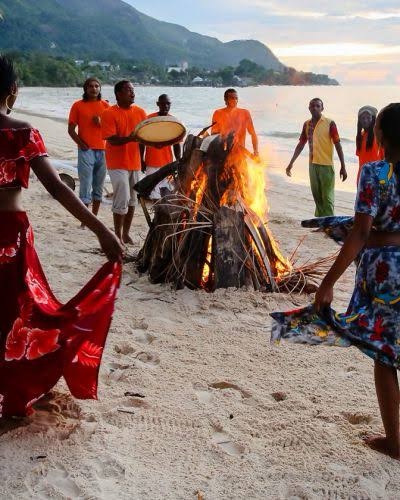
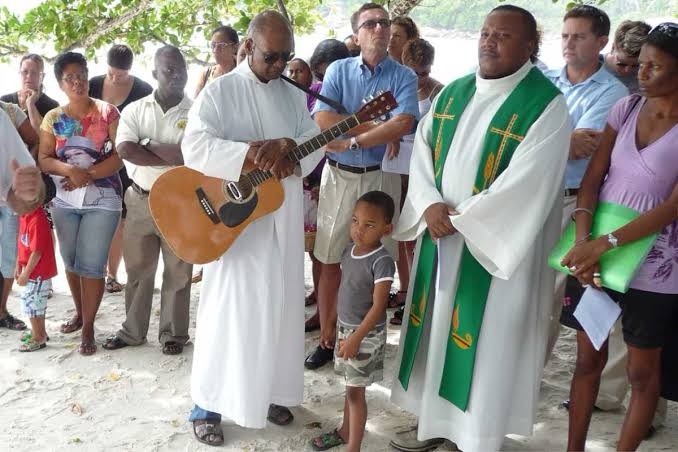
Today, Seychelles is known for:
Beautiful islands and tourism Marine biodiversity and environmental protection A small but stable economy based on tourism and fishing One of Africa’s highest living standards per capita
Summary
The story of Seychelles is one of:
Uninhabited islands discovered by Europeans French and British colonial influence Plantation economy with enslaved labor Peaceful independence in 1976 A modern tourism-based island nation.


Story of
Seychelles
A long time ago, the islands of Seychelles were completely empty—no kingdoms, no villages, just untouched islands scattered in the Indian Ocean. For many years, sailors passed by but did not settle there.
In the 1500s, Portuguese explorers were the first Europeans to record the islands, but they did not establish settlements. For more than two centuries after that, Seychelles remained largely unknown and uninhabited.
Things changed in the 1700s when France began to settle the islands. The French named them after officials like Jean Moreau de Séchelles. Settlers created plantations where they grew spices, coconut, and cinnamon. To work on these plantations, enslaved Africans and people from nearby regions were brought to the islands. This is how the population of Seychelles began to grow and mix different cultures.
Later, during the Napoleonic Wars, Britain took control of Seychelles in 1814. Even under British rule, plantation farming continued, and the islands remained a quiet colonial territory for many years.
Over time, people in Seychelles began to seek more political rights and independence. Through peaceful political progress, the country moved toward self-rule.
Finally, on June 29, 1976, Seychelles became an independent nation. James Mancham became the first president, marking the beginning of a new era.
After independence, the country experienced political changes, including a short period of one-party rule, but later returned to a multi-party democracy in the 1990s.
Today, Seychelles is known for its stunning islands, white sandy beaches, and rich marine life. Tourism and fishing are key parts of its economy, and the country is also known for protecting its environment and marine ecosystem.
The story of Seychelles is one of untouched islands, colonial plantation life, cultural mixing through migration and slavery, peaceful independence, and a modern island nation focused on nature and tourism.
 Welcome to facenotee👍🏿
Leave a comment