History of Senegal

Early Kingdoms and Empires
The land now called Senegal has a long history of powerful kingdoms and trade networks. Early societies such as the Wolof, Serer, and Tukulor peoples built organized states and communities.
Senegal was also influenced by large West African empires, especially the Mali Empire. The region became an important part of trans-Saharan trade routes, where gold, salt, and other goods were exchanged between West Africa, North Africa, and beyond.
European Contact and the Slave Trade
From the 1400s, European traders—especially the Portuguese, Dutch, and French—arrived along the coast. Senegal became one of the key centers of the Atlantic slave trade.
Places like Gorée Island became linked to the history of slavery and forced migration of Africans to the Americas.
🇫🇷 French Colonial Rule
By the 1800s, France gradually took control of Senegal. The city of Saint-Louis became an important colonial capital, and later Dakar grew into a major administrative center.
Senegal was incorporated into French West Africa, and many local systems were changed under colonial rule. Education, railways, and cities expanded, but political power remained under French control.
Independence Movement
After World War II, independence movements grew stronger across Africa. Senegal’s leaders played a major role in peaceful negotiations with France.
On April 4, 1960, Senegal gained independence. Léopold Sédar Senghor became the country’s first president.
🇸🇳Post-Independence Senegal
After independence, Senegal and Mali briefly formed the Mali Federation, but it soon collapsed. Senegal then became a stable independent republic.
Under President Senghor, Senegal focused on democracy, education, culture, and diplomacy. It became known as one of West Africa’s more politically stable countries.
Modern Senegal
Today, Senegal is known for:
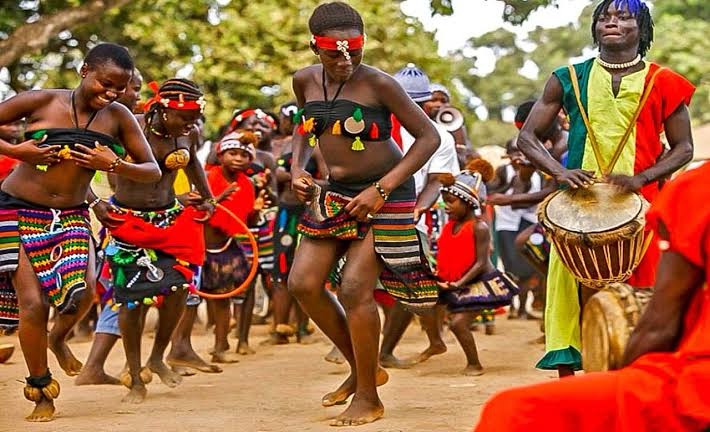
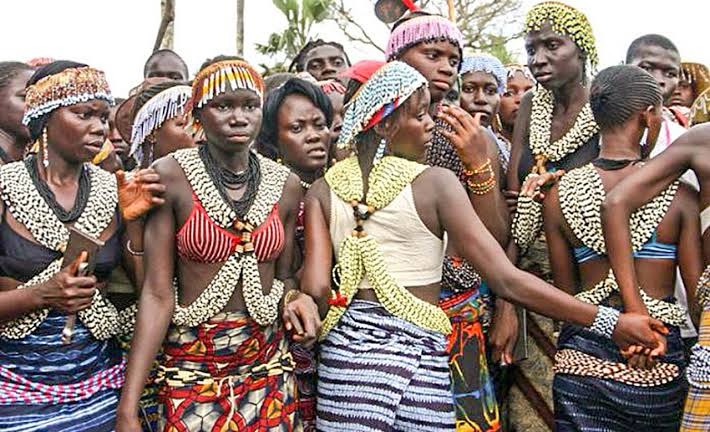
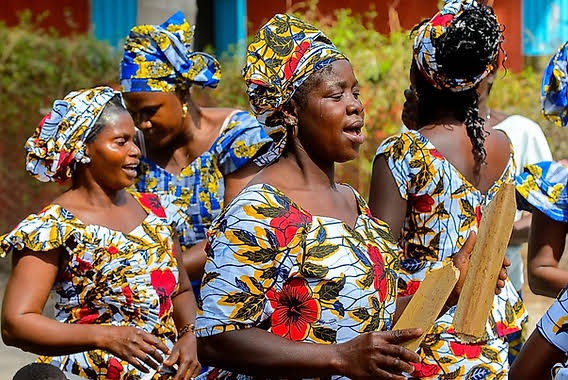
A stable democratic system The capital city Dakar, a major West African hub Strong music, arts, and cultural traditions Fishing, agriculture, and growing industries Peaceful political transitions compared to many neighbors
Summary
The story of Senegal is one of:
Ancient kingdoms and strong trade networks Deep involvement in trans-Saharan and Atlantic trade French colonial rule Peaceful independence in 1960 A modern identity built on democracy, culture, and stability.
Story of
Senegal
Long ago, the land of Senegal was home to strong communities like the Wolof, Serer, and Fulani peoples. They lived in organized societies, farming, herding animals, and building kingdoms with their own leaders and traditions. The region also became part of powerful West African trade networks connected to empires such as the Mali Empire, where gold, salt, and other goods moved across the Sahara Desert.
For many centuries, Senegal was an important crossroads of trade. Later, European sailors arrived in the 1400s. Over time, Senegal’s coast became deeply involved in the Atlantic slave trade. Places like Gorée Island became linked with the painful history of enslaved Africans being taken across the ocean.
In the 1800s, France expanded its control over Senegal. Cities like Saint-Louis and Dakar became major colonial centers in French West Africa. The French built railways, schools, and ports, but political power remained in European hands, and many Senegalese people had limited rights.
After World War II, people across Africa began demanding independence. Senegalese leaders worked through political movements and negotiations rather than large wars. On April 4, 1960, Senegal became independent from France.
Léopold Sédar Senghor became the country’s first president. He helped shape a peaceful transition into nationhood and promoted culture, education, and national identity.
After independence, Senegal briefly joined with Mali in a federation, but it soon ended, and Senegal continued as its own republic. Since then, it has remained one of the more stable countries in West Africa, known for democratic government and peaceful leadership transitions.
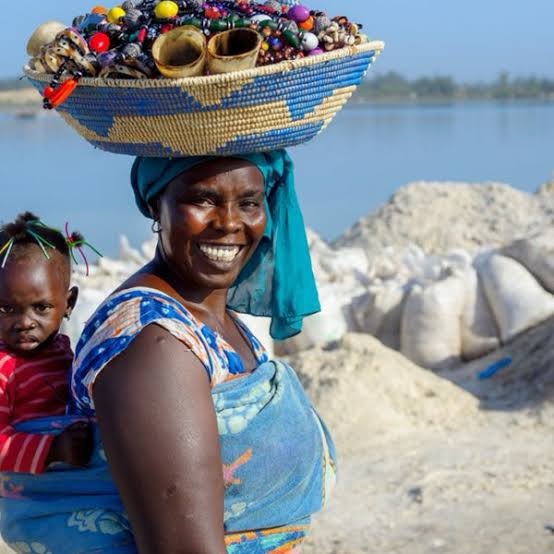
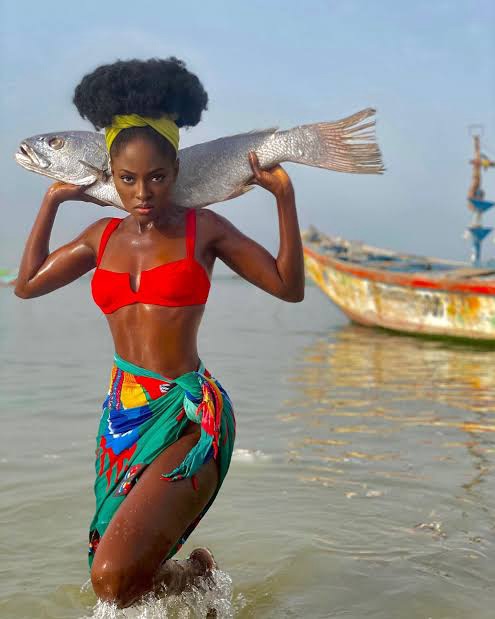
Today, Senegal is known for its vibrant culture, music, and arts, especially in Dakar, its capital city. Fishing, agriculture, and trade support its economy, while its people maintain strong traditions and national pride.
The story of Senegal is one of ancient kingdoms, trade and contact with the world, colonial struggle, peaceful independence, and a modern nation built on culture and stability.
 ☄️WELCOME TO FACENOTEE.COM🕳️👍🏿
Leave a comment