History of Guinea
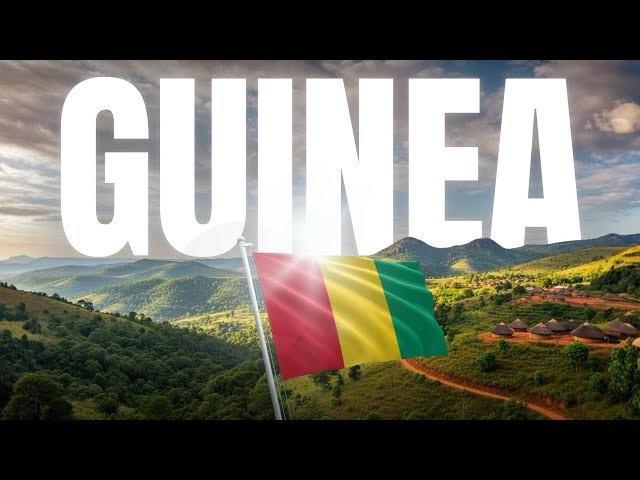
Early History
Long before colonial rule, the land now called Guinea was home to many powerful kingdoms and ethnic groups such as the Malinké, Fulani (Fulɓe), Susu, Kissi, and others.
The region was influenced by great West African empires, including:
the Ghana Empire the Mali Empire the Songhai Empire
These empires helped spread trade, culture, and Islam across the region. Gold, kola nuts, salt, and other goods were traded widely.
In the Fouta Djallon highlands, the Fulani established a strong Islamic state in the 18th century called the Imamate of Futa Jallon.
European Contact
Portuguese traders reached the coast of Guinea in the 15th century. Later, French influence grew stronger.
The coastal region became involved in the Atlantic slave trade, where many Africans were taken from West Africa to the Americas.
Trade routes connected the coast with the inland kingdoms and communities.
French Colonial Rule
In the late 1800s, France expanded its control over the region.
By 1891, Guinea became part of French West Africa. It was officially known as French Guinea
The French controlled politics, trade, and administration, while local resistance continued in many areas.
Independence
Guinea became independent from France on October 2, 1958.
Its famous leader was Ahmed Sékou Touré.
He strongly rejected continued French control and chose full independence. Guinea became the first French African colony south of the Sahara to gain independence by voting “No” to French rule in a 1958 referendum.
This was a bold and historic decision.
Political Changes
After independence, Sékou Touré ruled for many years under a one-party system.
After his death in 1984, the country experienced military rule and political instability.
Later, Guinea moved toward multi-party politics, though it continued to face challenges with democracy, leadership changes, and economic difficulties.
Guinea has also experienced military coups in recent years.
Guinea Today
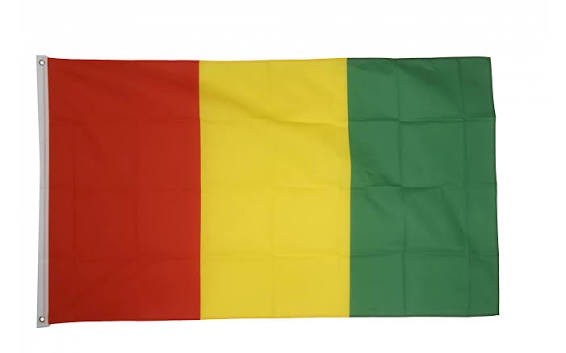
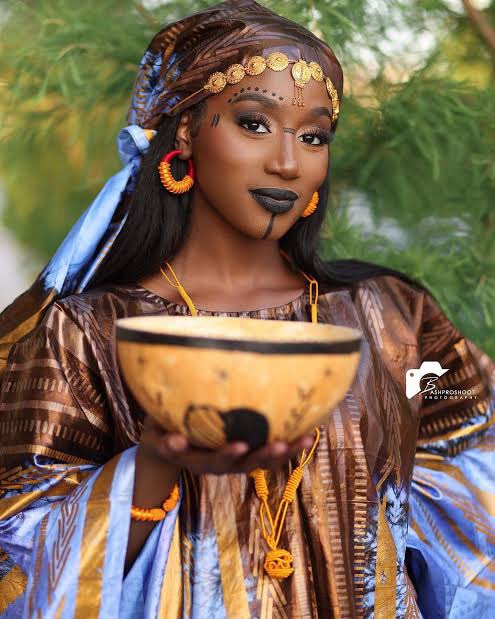
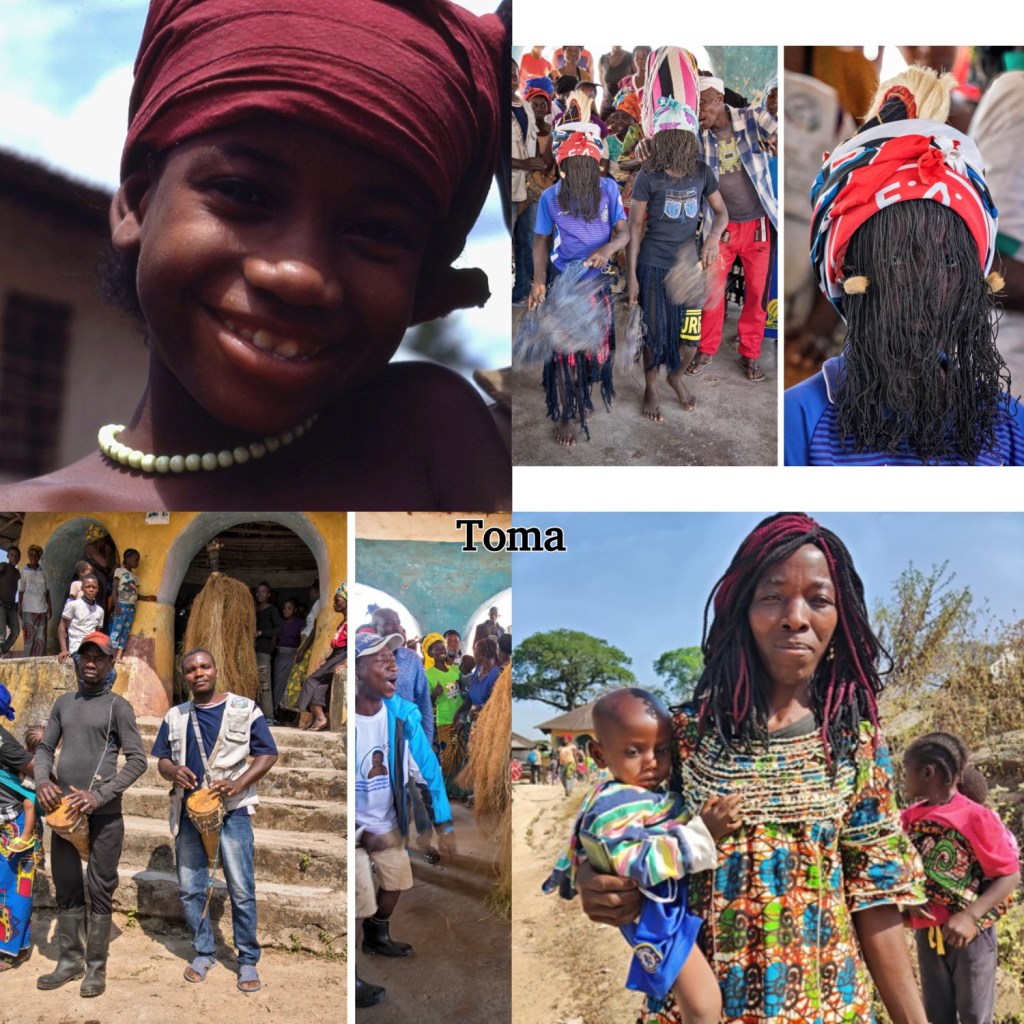
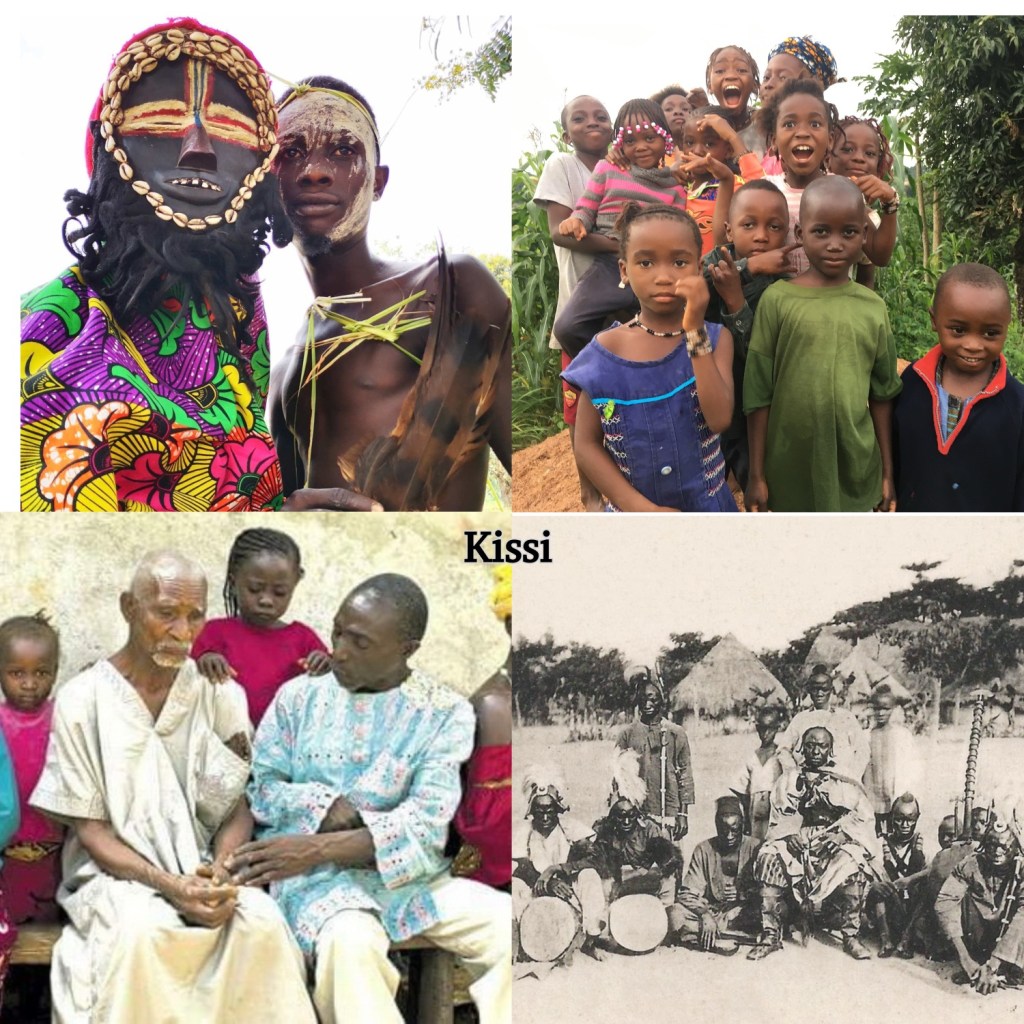
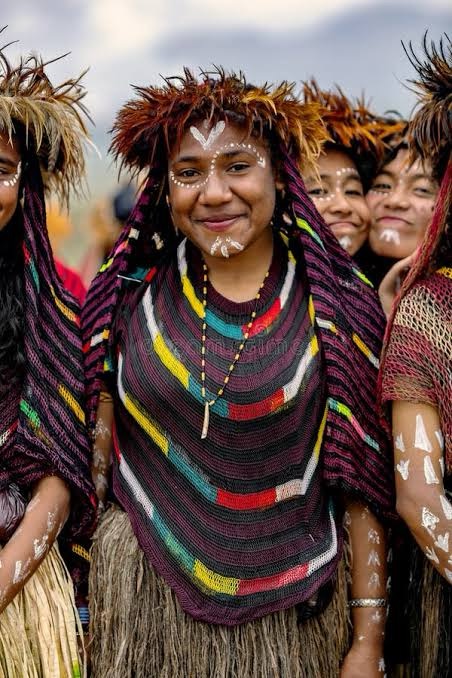
Today, Guinea is known for:
rich mineral resources, especially bauxite strong music and cultural traditions the source of major West African rivers like the Niger River agriculture and farming communities
Its capital city is Conakry.
Important National Day
Independence Day: October 2, 1958
Guinea’s history is a story of empires, resistance, independence, and national pride.
Long ago, in the green hills, forests, and wide savannahs of the land now called Guinea, many people lived in strong communities filled with trade, music, and tradition. Rivers flowed from its highlands, giving life to farms and villages, and travelers crossed its lands carrying gold, salt, kola nuts, and stories.
The people of Guinea included the Malinké, Fulani, Susu, Kissi, and many others. Each group had its own language and customs, but all shared pride in their land and heritage.
Long before Europeans arrived, the region was influenced by powerful empires like the Mali Empire. Great rulers and scholars helped spread trade and Islam across the land. Markets grew busy, and knowledge traveled from village to village.
In the highlands of Fouta Djallon, the Fulani built a strong Islamic state where leaders ruled with both wisdom and faith. The area became known for learning and leadership.
In the 15th century, Portuguese sailors reached the coast. Later, the French became stronger in the region. Trade increased, but so did suffering. The Atlantic slave trade brought pain as many Africans were taken far from their homes. Families were separated, and freedom was stolen from countless lives.
As years passed, France took control, and the land became known as French Guinea. The people lived under colonial rule, but the desire for freedom never disappeared.
Then came a strong and fearless leader—Ahmed Sékou Touré.
In 1958, France offered its colonies a choice: remain connected to French rule or become fully independent. While many feared losing French support, Sékou Touré boldly said that Guinea would choose freedom.
He declared that Guinea preferred “freedom in poverty to riches in slavery.”
And so, on October 2, 1958, Guinea became independent. People celebrated in the streets with songs, drums, and hope for a new future. Guinea became the first French colony in sub-Saharan Africa to reject colonial rule so boldly.
The journey after independence was not always easy. There were struggles, political changes, and difficult times. But the spirit of Guinea remained strong.
Today, from the busy streets of Conakry to the mountains and rivers of the countryside, Guinea stands as a land of courage, culture, and resilience—a nation shaped by history and carried forward by the strength of its people.
 ☄️WELCOME TO FACENOTEE.COM🕳️👍🏿
Leave a comment