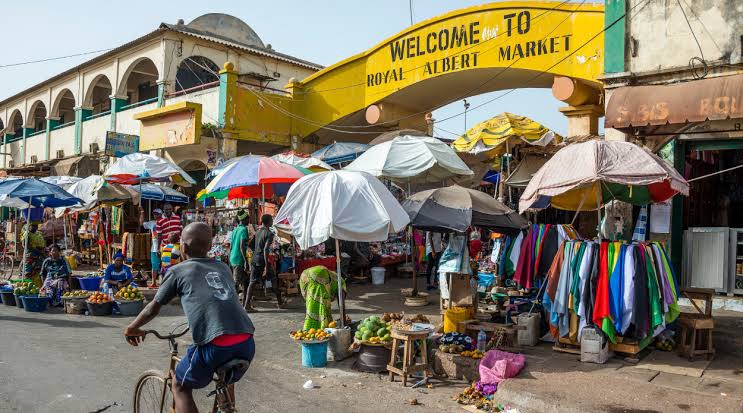
History of The Gambia
Early History
Before colonial rule, the area now called The Gambia was home to different ethnic groups such as the Mandinka, Wolof, Fula, Jola, and Serahule. These communities lived through farming, fishing, trade, and strong local kingdoms.
The region was influenced by great West African empires like:
the Mali Empire the Songhai Empire
Islam spread into the region through trade and scholars, becoming an important part of life and culture.
European Contact
In the 15th century, Portuguese traders arrived along the Gambia River. Later, the British and French became involved because the river was important for trade and transport.
The Gambia became connected to the transatlantic slave trade. Many enslaved Africans were taken from this region through trading posts along the river.
One famous place linked to this history is Kunta Kinteh Island (formerly James Island), which became a symbol of the slave trade era.
British Colonial Rule
During the 1800s, Britain gained stronger control of the area.
In 1889, Britain and France agreed on the borders of The Gambia. In 1901, The Gambia officially became a British colony and protectorate.
Because the country follows the narrow path of the Gambia River, it is almost completely surrounded by Senegal except for its Atlantic coast.
Independence
The Gambia gained independence from Britain on February 18, 1965.
Its first Prime Minister and later President was Dawda Jawara.
At first, The Gambia remained a constitutional monarchy under the British Crown, but in 1970 it became a republic.
Modern Political History
In 1994, a military coup brought Yahya Jammeh to power.
He ruled for over 20 years.
In 2016, after elections, opposition leader Adama Barrow won. Jammeh first refused to step down, but later left the country after regional pressure.
This marked an important democratic transition.
The Gambia Today
Today, The Gambia is known for:
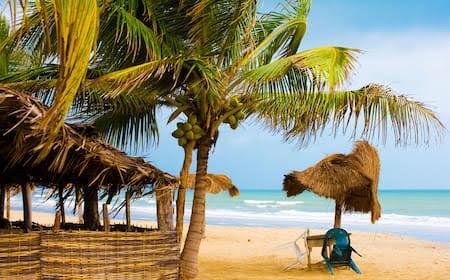
its rich culture tourism and beaches peanut farming music and storytelling traditions the important Gambia River
It is often called “The Smiling Coast of Africa.”
Important National Day
Independence Day: February 18, 1965

The history of The Gambia is a story of trade, struggle, colonialism, independence, and resilience.
Long ago, in the peaceful land now called The Gambia, people lived along the great Gambia River, which gave them water, food, and a path for trade. Fishermen cast their nets into the river, farmers grew crops on fertile land, and traders traveled by canoe and caravan, connecting villages and kingdoms.
Different peoples such as the Mandinka, Wolof, Fula, Jola, and Serahule lived there, each with their own language, music, and traditions. Griots—traditional storytellers—shared the history of families and kingdoms through songs and spoken stories, keeping memories alive for generations.
The region was influenced by powerful empires like the Mali Empire. Through trade and learning, Islam spread across the land, shaping education, leadership, and daily life.
In the 1400s, Portuguese sailors arrived on the coast and along the river. Later, British and French traders followed. At first, they came for trade—gold, ivory, and other goods—but soon the slave trade brought deep suffering. Many Africans were captured and taken away from their homes through places like Kunta Kinteh Island, once known as James Island. Families were separated, and the river that brought life also witnessed sorrow.
As time passed, Britain took control, and The Gambia became a British colony. Though life changed under colonial rule, the spirit of the people remained strong. They continued to protect their culture, their music, and their hope for freedom.
Then came the dream of independence.
On February 18, 1965, that dream became real. The Gambia became a free nation. Dawda Jawara became its first leader, and people celebrated with joy, songs, and pride.
Years later, the country faced political struggles, but its people continued to push for peace and democracy. In 2016, another important chapter opened when leadership changed peacefully after elections, showing the strength of the nation.
Today, The Gambia is known as the “Smiling Coast of Africa.” From the flowing river to the warm beaches, from drum rhythms to welcoming smiles, it remains a land of history, courage, and hope—a small country with a strong heart.
 Welcome to facenotee👍🏿
Leave a comment