
Ancient History
- Early Inhabitants: The territory that is now Cameroon has been inhabited for thousands of years, with evidence of ancient civilizations such as the Sao and Kotoko.
- Kingdoms and Empires: Various kingdoms and empires, including the Kanem-Bornu Empire, have shaped the region’s history.
Colonial Era
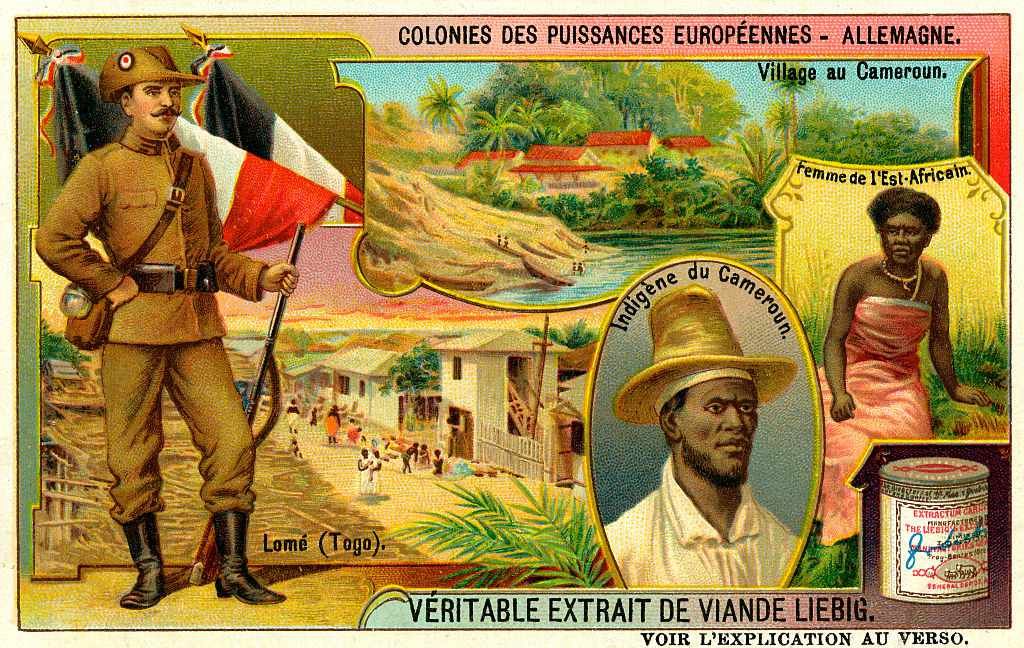
- German Colonization: Cameroon was colonized by Germany in the late 19th century.
- British and French Rule: After World War I, Cameroon was mandated to Britain and France, with the French controlling the majority of the territory.
Independence
- Independence: Cameroon gained independence from France on January 1, 1960, with Ahmadou Ahidjo as its first president.
- Unification: In 1961, British Southern Cameroons joined French Cameroun to form the Federal Republic of Cameroon.
Modern-Day Challenges
- Economic Challenges: Cameroon faces economic challenges, including poverty and infrastructure development.
- Security Concerns: The country has struggled with security concerns, including the Boko Haram insurgency and Anglophone separatist movements.
Cultural Heritage
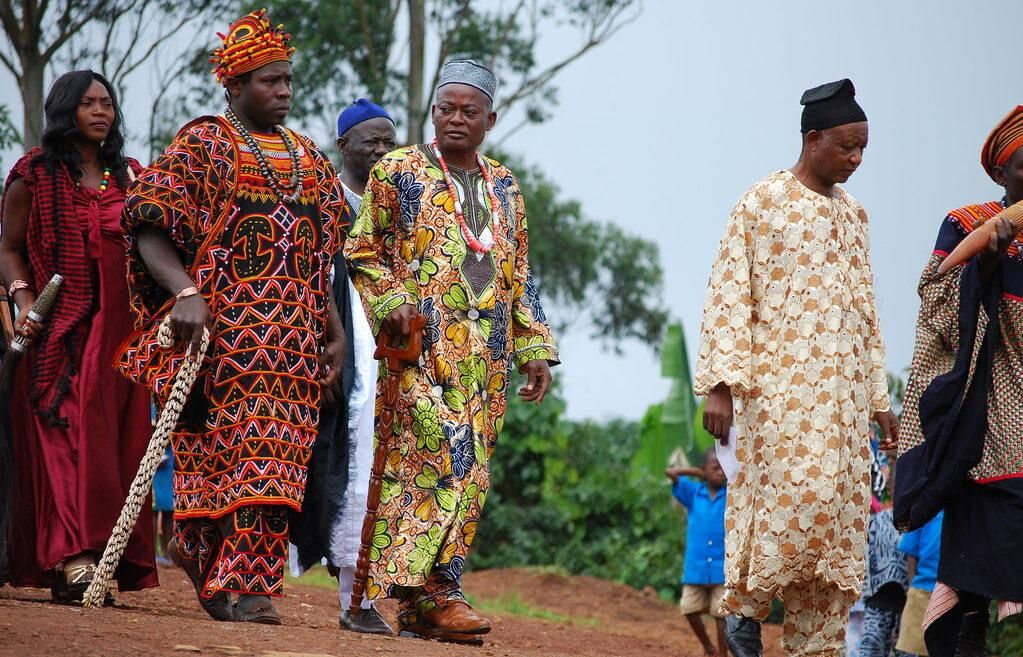
- Diverse Culture: Cameroon is home to over 200 ethnic groups, each with its unique traditions and customs.
- Music and Dance: The country’s music and dance are known for their energetic rhythms and vibrant performances.
Cameroon’s history is complex and multifaceted, with both challenges and opportunities for the future.

Here’s a story about life in Cameroon:
The Land of Diversity
In Central Africa lies Cameroon, a land of stunning natural beauty, vibrant culture, and warm hospitality. The sun rises over the mountains, casting a warm glow over the villages and cities.
Rural Life
In the villages, life is centered around agriculture. Farmers cultivate crops like cocoa, coffee, and plantains, which are the lifeblood of the economy. Women gather around the market stalls, selling colorful handicrafts, fresh produce, and traditional spices. Children play in the lush green forests, laughing and exploring the natural wonders of their homeland.
Cultural Heritage
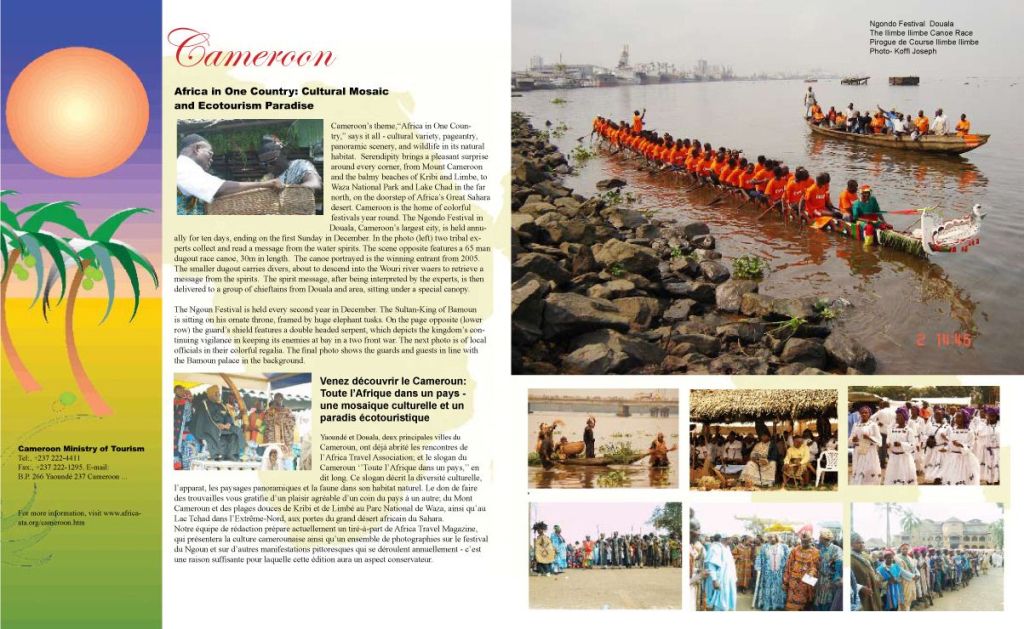
Cameroon is a melting pot of over 200 ethnic groups, each with its unique traditions and customs. The country’s music and dance are known for their energetic rhythms and vibrant performances, reflecting the diversity and creativity of its people.
Urban Life
In Yaoundé, the capital city, and Douala, the economic hub, life is a blend of modernity and tradition. The cities are bustling with activity, from vibrant markets to cultural events and bustling nightlife. People from all over the country come to the cities to shop, work, and socialize.
Natural Beauty
Cameroon’s diverse landscapes range from the stunning beaches along the Atlantic coast to the majestic mountains and lush rainforests of the interior. The country is home to many national parks and wildlife reserves, protecting its rich biodiversity and offering opportunities for eco-tourism.
Challenges and Opportunities
Like many countries in the region, Cameroon faces challenges, including infrastructure development and economic diversification. However, the country is also rich in natural resources, including oil, gas, and minerals, and has made significant strides in economic development and infrastructure improvement.
Resilience and Hospitality
Despite challenges, the people of Cameroon are known for their resilience and hospitality. Visitors are often greeted with warm smiles and open arms. The concept of “ubuntu” – humanity towards others – is deeply ingrained in the culture.
A Bright Future
As the sun sets over Cameroon, the country looks towards a bright future. With its stunning natural beauty, rich cultural heritage, and resilient people, Cameroon is a land of opportunity and promise.
 ☄️WELCOME TO FACENOTEE.COM🕳️👍🏿