
Ancient History
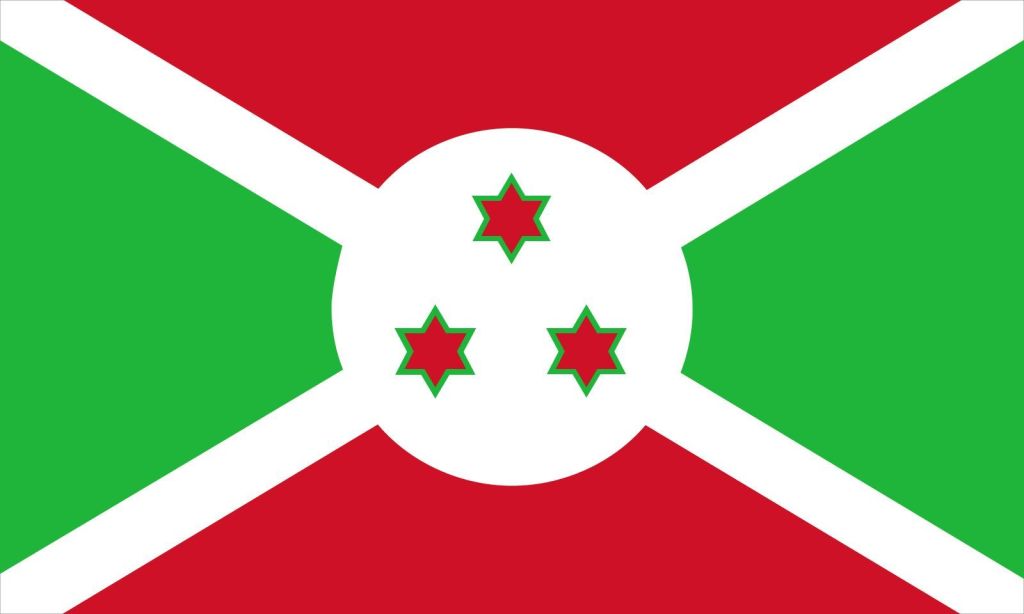
- Kingdom of Burundi: The Kingdom of Burundi dates back to the 16th century, with a monarchical system that lasted until the colonial era.
- Hutu and Tutsi: The two main ethnic groups, Hutu and Tutsi, have coexisted in Burundi for centuries, with complex relationships and power dynamics.
Colonial Era
- German and Belgian Rule: Burundi was colonized by Germany in the late 19th century and later became a Belgian mandate territory after World War I.
- Colonial Legacy: The colonial era had a lasting impact on Burundi’s politics, economy, and social structures.
Independence
- Independence: Burundi gained independence from Belgium on July 1, 1962.
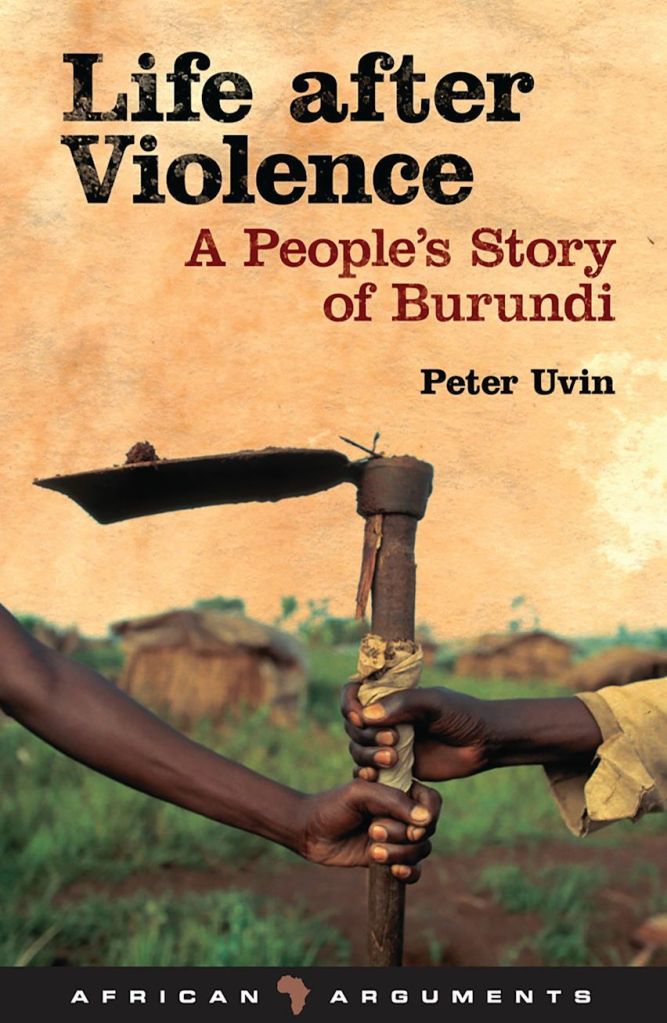
- Civil War and Conflict: The country has experienced periods of civil war and conflict, particularly between the Hutu and Tutsi populations.
Modern-Day Challenges
- Economic Challenges: Burundi faces significant economic challenges, including poverty and limited infrastructure.
- Political Instability: The country has experienced political instability and human rights concerns.
Cultural Heritage
- Rich Cultural Heritage: Burundi has a rich cultural heritage, with a blend of traditional and modern influences.
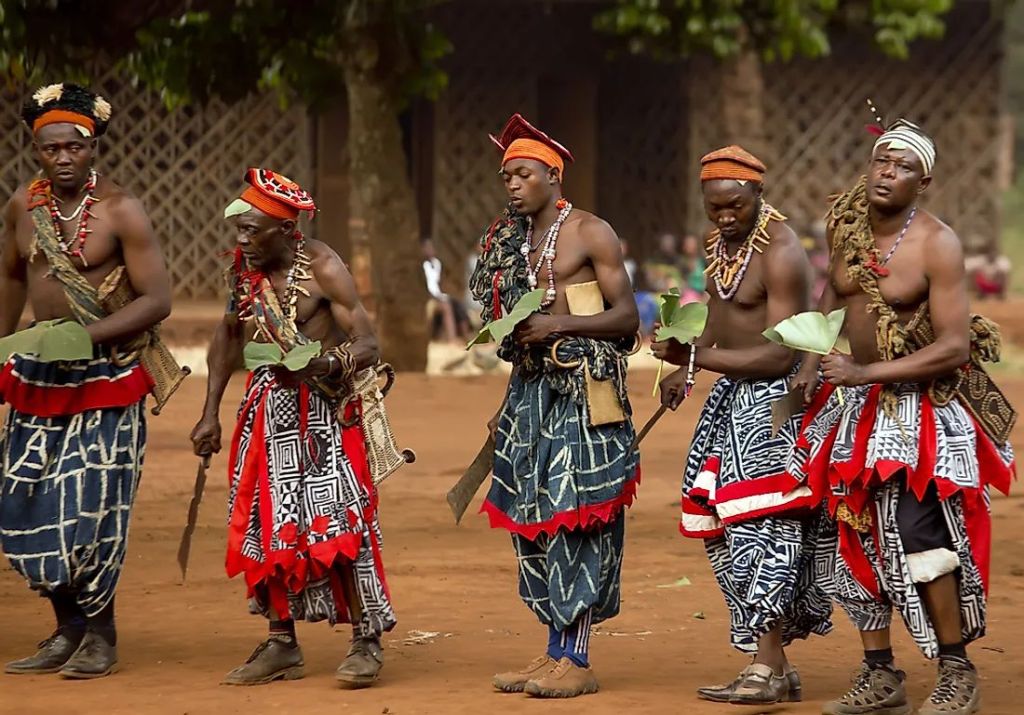
- Music and Dance: The country’s music and dance are known for their energetic rhythms and vibrant performances.
Burundi’s history is complex and multifaceted, with both challenges and opportunities for the future.


Here’s a story about life in Burundi:
The Land of Hills
In the heart of East Africa lies Burundi, a land of rolling hills, sparkling lakes, and vibrant culture. The sun rises over the mountains, casting a warm glow over the villages and cities.
Rural Life
In the villages, life is centered around agriculture. Farmers till the land, plant crops, and harvest the fruits of their labor. Women gather around the market stalls, selling fresh produce, handicrafts, and colorful textiles. Children play in the lush green hills, laughing and chasing each other.
Cultural Heritage
Burundi is home to a rich cultural heritage, with a blend of traditional and modern influences. The Kirundi language is spoken widely, and the country’s music and dance are known for their energetic rhythms and vibrant performances.
Lake Tanganyika
The country’s scenic Lake Tanganyika is a source of livelihood for many, providing fish and transportation. The lake’s crystal-clear waters are also a popular destination for tourists and locals alike.
Urban Life
In Bujumbura, the largest city, life is a blend of modernity and tradition. The city is bustling with activity, from vibrant markets to cultural events. People from all over the country come to Bujumbura to shop, work, and socialize.
Challenges and Opportunities
Like many countries in the region, Burundi faces challenges, including poverty, limited infrastructure, and political instability. However, the country is also rich in natural resources, including coffee, tea, and minerals.
Resilience and Hospitality
Despite challenges, the people of Burundi are known for their resilience and hospitality. Visitors are often greeted with warm smiles and open arms. The concept of “ubuntu” – humanity towards others – is deeply ingrained in the culture.
A Bright Future
As the sun sets over Burundi, the country looks towards a bright future. With its stunning natural beauty, rich cultural heritage, and resilient people, Burundi is a land of opportunity and promise.

 ☄️WELCOME TO FACENOTEE.COM🕳️👍🏿