|
Getting your Trinity Audio player ready…
|

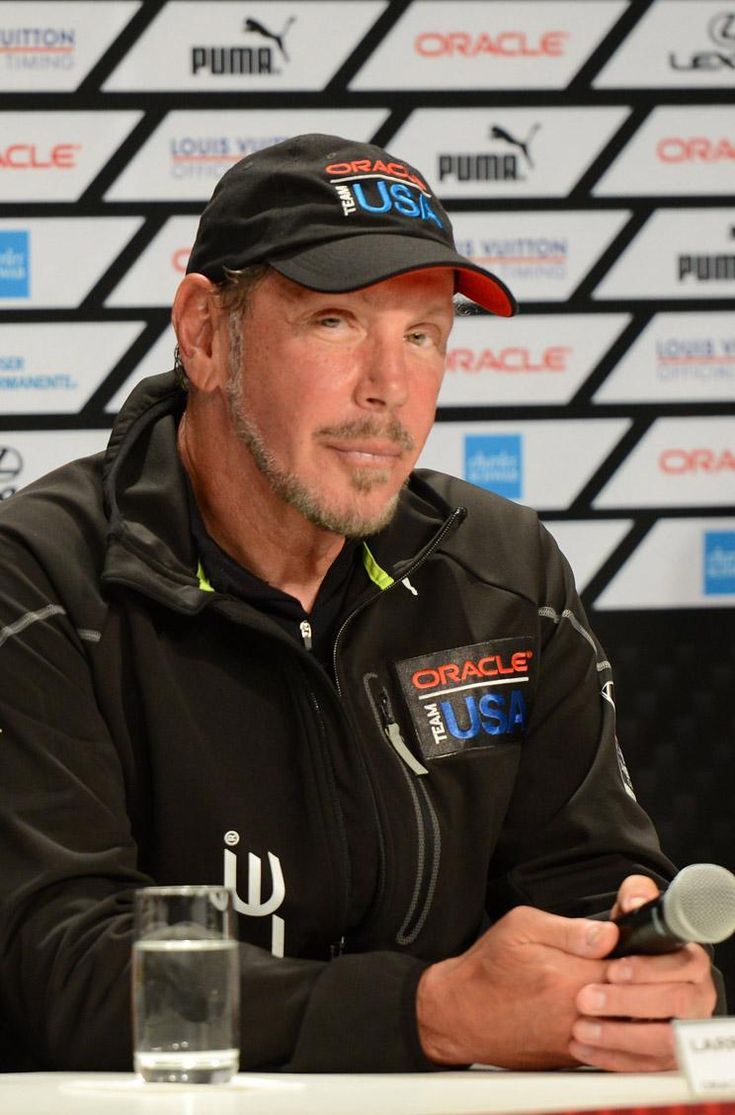
Larry Ellison has once again climbed the global wealth rankings, overtaking Nvidia co-founder and CEO Jensen Huang to become the seventh-wealthiest person in the world.
The latest change in the billionaire rankings highlights how quickly fortunes can shift among the world’s richest people, particularly those whose wealth is closely tied to publicly traded technology companies. According to Forbes’ latest report, Ellison’s fortune increased on Monday as shares of Oracle rose by nearly 2%, while Nvidia shares came under pressure.
The move places Ellison ahead of Huang in the race among some of the world’s most influential technology executives. It also represents another major change in the fortunes of two billionaires who have benefited enormously from the rapid expansion of artificial intelligence and enterprise technology.
Oracle’s Stock Performance Lifts Ellison
The immediate reason behind Ellison’s rise was the performance of Oracle’s stock.
Ellison co-founded Oracle in 1977 and built the company into one of the world’s most important enterprise technology businesses. Although Oracle has long been associated with databases and business software, the company has increasingly positioned itself as a major player in cloud computing and artificial-intelligence infrastructure.
That transformation has become increasingly important to Ellison’s personal fortune.
Because a significant portion of his wealth is connected to Oracle, movements in the company’s share price can have a substantial impact on his position in global billionaire rankings. A relatively small percentage change in a company valued in the hundreds of billions of dollars can translate into billions of dollars in changes to the paper value of a major shareholder’s wealth.
Forbes’ real-time billionaire rankings reflect these market movements, meaning that the order of the world’s richest people can change from one trading session to another.
Jensen Huang’s Fortune Faces Pressure
Jensen Huang’s position was affected by the opposite market movement.
Huang, who co-founded Nvidia in 1993, has become one of the most recognizable figures in the global artificial-intelligence boom. Nvidia’s graphics-processing units have become critical components in the computing infrastructure used to develop and operate advanced AI systems.
The company’s extraordinary growth transformed Huang’s personal wealth and propelled him into the upper tier of the world’s richest people.
However, billionaire rankings are heavily influenced by stock-market performance. When Nvidia shares fall, the value of Huang’s stake also falls, potentially causing him to move down the rankings even without making any major change to his investments.
That appears to be what happened in the latest reshuffling.
A New Chapter in the AI Wealth Race
Ellison’s move above Huang is particularly significant because both billionaires have benefited from the artificial-intelligence revolution, albeit through different routes.
Nvidia sits at the center of AI hardware. Its processors are widely used in data centers and AI systems, making the company one of the major beneficiaries of the enormous spending on artificial intelligence.
Oracle, meanwhile, has sought to capitalize on the infrastructure required to support AI. Companies developing AI applications need enormous amounts of computing power, data storage and cloud infrastructure. Oracle has increasingly promoted its cloud capabilities as part of that ecosystem.
This means that the fortunes of Ellison and Huang are increasingly connected to the same broad technological trend.
The difference is that Nvidia’s extraordinary stock-market rise has been driven largely by demand for AI chips, while Oracle’s recent story has involved its efforts to expand its role in cloud and AI infrastructure.
Ellison’s Extraordinary Wealth Journey
Ellison’s latest ranking is another milestone in an extraordinary financial journey.
The Oracle co-founder has appeared near the top of global wealth rankings for decades. His fortune has grown alongside Oracle’s expansion and his ownership of a substantial amount of the company’s stock.
His wealth has also experienced dramatic swings.
In September 2025, Ellison briefly became the world’s richest person after a huge surge in Oracle’s share price. Bloomberg’s billionaire index recorded the event as the largest single-day increase in an individual’s net worth in the history of the index, with Ellison’s fortune rising by roughly $101 billion during that extraordinary market move.
Although he did not remain in first place, the episode demonstrated just how dramatically public-market valuations can affect the fortunes of the world’s richest individuals.
Ellison’s latest move into seventh place is therefore another example of the volatility that increasingly characterizes the billionaire rankings.
Oracle’s Changing Role in Technology
One of the most important factors behind Ellison’s continued presence among the world’s wealthiest people is Oracle’s transformation.
The company was traditionally known primarily for database software used by large corporations and institutions. Over time, however, Oracle expanded into cloud computing and other areas of enterprise technology.
The rise of AI has created another opportunity.
AI companies require massive computing infrastructure, and cloud providers can benefit from that demand. Oracle has sought to compete in this market alongside much larger technology companies.
For Ellison, the strategy has helped keep Oracle at the center of one of the most important technological shifts in the global economy.
The Billionaire Rankings Can Change Quickly
Ellison’s rise also demonstrates why billionaire rankings should be viewed as moving estimates rather than fixed measurements of wealth.
Forbes’ real-time rankings change as publicly traded stocks move. Since many billionaires own large stakes in companies, a rise or fall in a stock can immediately change the estimated value of their holdings.
The rankings therefore can look substantially different from one day to the next.
Forbes’ August 2026 overview of the world’s richest people notes continued major changes among the technology billionaires dominating the upper end of the wealth rankings.
This is especially noticeable among entrepreneurs whose fortunes are concentrated in technology companies.
What the Move Means for Nvidia and Oracle
The shift between Huang and Ellison should not necessarily be interpreted as a long-term victory for one billionaire over the other.
Both Oracle and Nvidia remain major companies operating in areas that are expected to play an important role in the future of computing.
Nvidia’s importance comes from its leadership in AI-related chips and computing hardware. Oracle’s opportunity lies in cloud infrastructure, databases and enterprise technology, including services designed to support AI workloads.
If Nvidia shares recover strongly, Huang could quickly move back above Ellison. Likewise, continued strength in Oracle could allow Ellison to maintain or improve his position.
The rankings are therefore likely to remain closely watched as investors continue to evaluate the future of AI and cloud computing.
More Than a Wealth Ranking
Ellison’s move into seventh place is about more than the personal fortunes of two billionaires.
It reflects the enormous economic value being created around technology, artificial intelligence and cloud computing. The world’s richest individuals increasingly come from companies that provide the infrastructure powering the digital economy.
Ellison’s story illustrates the long-term value that can be created by building a major enterprise technology company and maintaining a significant ownership stake. Huang’s story demonstrates how quickly a new technological revolution can create enormous wealth when a company becomes essential to an emerging industry.
For investors and technology observers, the competition between Oracle and Nvidia offers a glimpse into a much larger battle over the future of computing.
For now, however, the latest numbers have given Ellison the advantage.
Larry Ellison has moved ahead of Jensen Huang to become the world’s seventh-wealthiest person, with Oracle’s rising share price providing the immediate boost. The change once again demonstrates how closely the fortunes of the world’s richest people are tied to the performance of the companies they helped build.
As markets continue to respond to developments in artificial intelligence, cloud computing and technology spending, the billionaire rankings could change again just as quickly.

