|
Getting your Trinity Audio player ready…
|
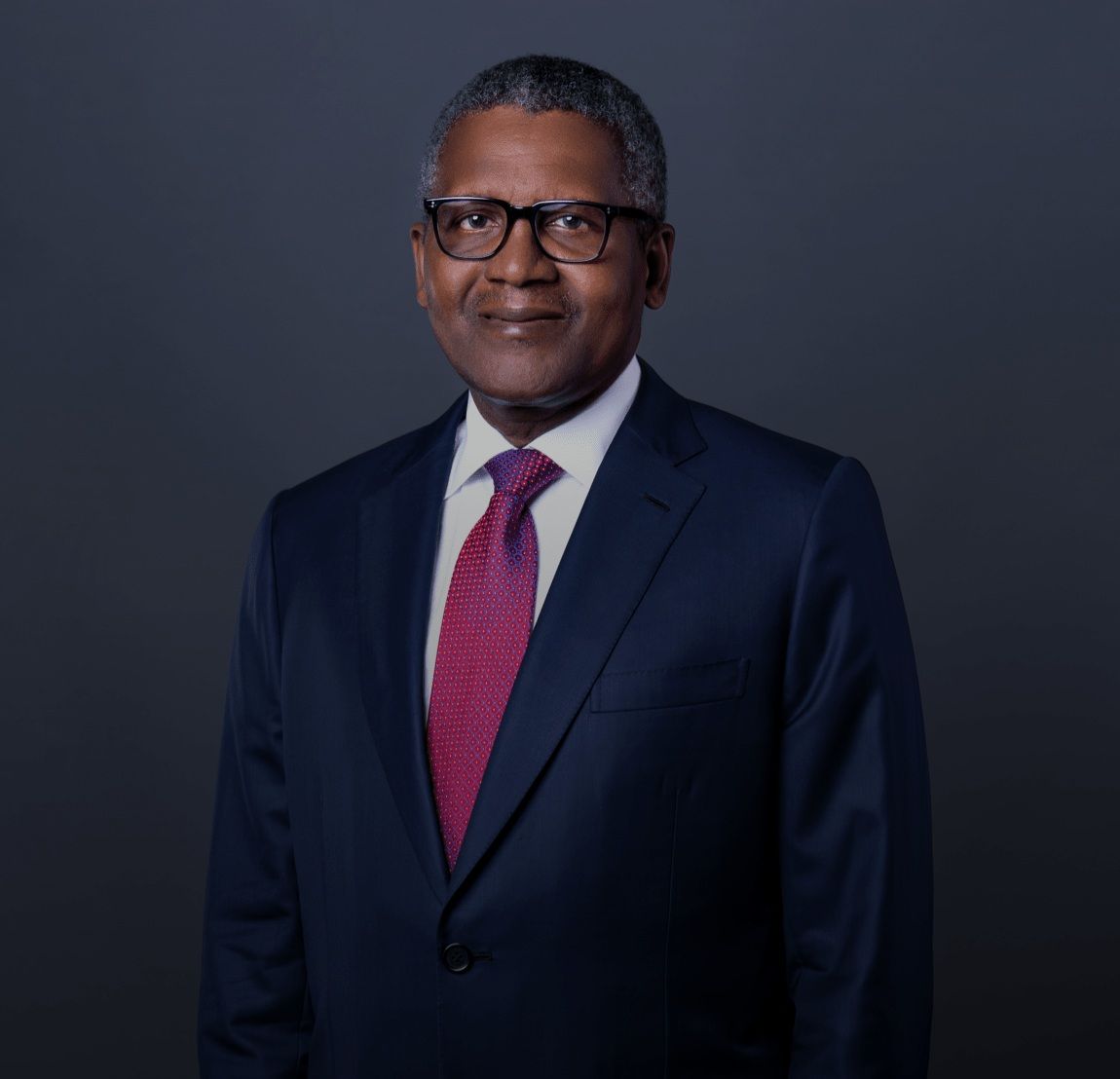
Nigeria’s Aliko Dangote, Africa’s richest man and one of the world’s most prominent Black billionaires, is planning to dedicate 33 percent of his wealth to charitable causes as part of his long-term succession and legacy plans.
The plan was disclosed by his daughter, Halima Dangote, who is a trustee of the Aliko Dangote Foundation. According to reports, Dangote has secured the support of his family for the philanthropic arrangement, which is intended to ensure that a significant portion of his wealth continues to benefit society beyond his lifetime.
The announcement has attracted considerable attention because of the enormous size of Dangote’s fortune. His wealth has been estimated at around $35.1 billion, meaning that 33 percent would currently be worth approximately $11.7 billion. Because billionaire wealth changes with business valuations and market conditions, the eventual value of the charitable commitment could be substantially different.
A major philanthropic commitment

Dangote’s decision represents a significant development in the African philanthropic landscape. Rather than viewing wealth only as an inheritance for the next generation, the plan places considerable emphasis on using part of his fortune to address social needs.
Halima Dangote explained that philanthropy is an important part of her father’s vision for his legacy. The family’s succession planning therefore includes charitable giving alongside the transfer of business interests and other assets.
The announcement also highlights the growing role of large African private foundations in tackling challenges that governments and other institutions cannot always address alone.
Health and education at the centre
According to reports about Halima Dangote’s comments, the family’s philanthropic priorities include health and education.
These two areas have been central to the work of the Aliko Dangote Foundation, which has supported programmes aimed at improving the lives of vulnerable people in Nigeria and elsewhere in Africa.
Health remains one of the continent’s most important development challenges. Funding from major philanthropists can support initiatives involving nutrition, disease prevention, healthcare access and emergency assistance.
Education is equally important because investment in schools, students and skills development can create benefits that extend across generations. By focusing charitable resources on education, the foundation can potentially help young people acquire the knowledge and skills needed to participate more effectively in the economy.
Dangote’s philanthropy already has a long history
The proposed 33 percent commitment does not represent the beginning of Dangote’s charitable activities. He has been involved in philanthropy for many years through personal donations and the foundation bearing his name.
In the first six months of 2026 alone, Dangote was reported to have publicly donated or pledged at least $47 million to various causes. Those commitments reportedly included food assistance, university support and other humanitarian programmes.
That history gives greater context to the new succession plan. The proposed donation is not simply a one-time announcement but part of a broader effort to establish philanthropy as a lasting component of the Dangote family’s legacy.
Why the 33 percent figure matters
The decision to dedicate one-third of his wealth is particularly significant because it could eventually represent billions of dollars.
If Dangote’s fortune were valued at $35.1 billion, one-third would be approximately $11.7 billion. At a higher valuation of $36 billion, the same percentage would be about $12 billion.
However, it is important to understand that these calculations are based on estimated net worth rather than cash sitting in a bank account. Much of Dangote’s wealth is connected to his ownership interests in businesses and assets. The value of those holdings can rise or fall over time.
Therefore, the actual amount ultimately directed toward charity could differ considerably from today’s estimates.
A different approach to succession
The announcement also offers an insight into how Dangote’s family is approaching succession.
Dangote has built one of Africa’s largest business empires, with interests spanning cement, manufacturing, fertiliser and oil refining. His businesses have grown into major economic institutions with operations and investments across Africa.
The challenge for any family-owned business of that scale is ensuring continuity when leadership eventually changes.
A carefully structured succession plan can help separate business ownership, family inheritance and philanthropic objectives. By deciding in advance that a significant portion of his estate should serve charitable purposes, Dangote is establishing a framework that could continue operating after his lifetime.
The Dangote Foundation’s potential role
The Aliko Dangote Foundation is expected to play an important role in the family’s long-term philanthropic strategy.
Its existing work has focused heavily on health, education, nutrition and humanitarian assistance. A larger endowment could potentially give the foundation greater capacity to support long-term programmes rather than relying primarily on individual donations made from year to year.
Such an approach could also provide greater consistency. Large social problems often require sustained investment over many years, rather than short-term interventions.
Impact on Nigeria and Africa
For Nigeria, where Dangote built his business empire, the potential impact could be substantial.
A charitable commitment worth billions of dollars could support projects in areas such as healthcare, education, nutrition and poverty reduction. The benefits could extend beyond Nigeria if the foundation continues supporting programmes across other African countries.
Dangote’s businesses already have a major economic footprint on the continent. His philanthropic activities therefore provide another avenue through which his wealth could influence African development.
The foundation’s existing programmes demonstrate the family’s interest in using philanthropy to address practical social challenges rather than limiting charitable giving to ceremonial donations.
More than a financial contribution
The announcement is also significant because it raises questions about what happens to enormous fortunes after the original wealth creator is gone.
For Dangote, philanthropy appears to be part of the legacy he wants to establish alongside his achievements as an industrialist.
His daughter’s comments suggest that the family has been involved in discussions about how wealth should be managed and how charitable commitments can survive into future generations.
That could make the plan particularly important. Instead of charity ending with one generation, the intention is apparently to create structures that allow the family’s philanthropic work to continue.
A lasting legacy
Aliko Dangote’s rise from a Nigerian businessman to Africa’s richest individual has made him one of the continent’s most recognizable business figures. His decision to dedicate a substantial portion of his wealth to charity adds another dimension to that legacy.
The proposed 33 percent donation could eventually represent more than $10 billion, depending on the value of his estate when the plan takes effect. Reports indicate that the commitment is connected to his succession planning and his desire to maintain a strong focus on health and education.
Ultimately, the significance of the plan may not be measured only by the amount of money involved. Its long-term impact will depend on how the funds are managed, which programmes receive support and how effectively those programmes improve people’s lives.
If successfully implemented, Dangote’s plan could become one of the most significant philanthropic commitments ever associated with an African business leader. It could also demonstrate how private wealth can be structured to support social development long after the wealth creator has stepped away from active business leadership.
For millions of Nigerians and Africans, the announcement therefore represents more than a billionaire giving away part of his fortune. It is a statement about legacy, family responsibility and the possibility of using extraordinary wealth to create lasting social impact.

