Experts weigh in on the complex nature of copycat crimes and why political violence is on the rise
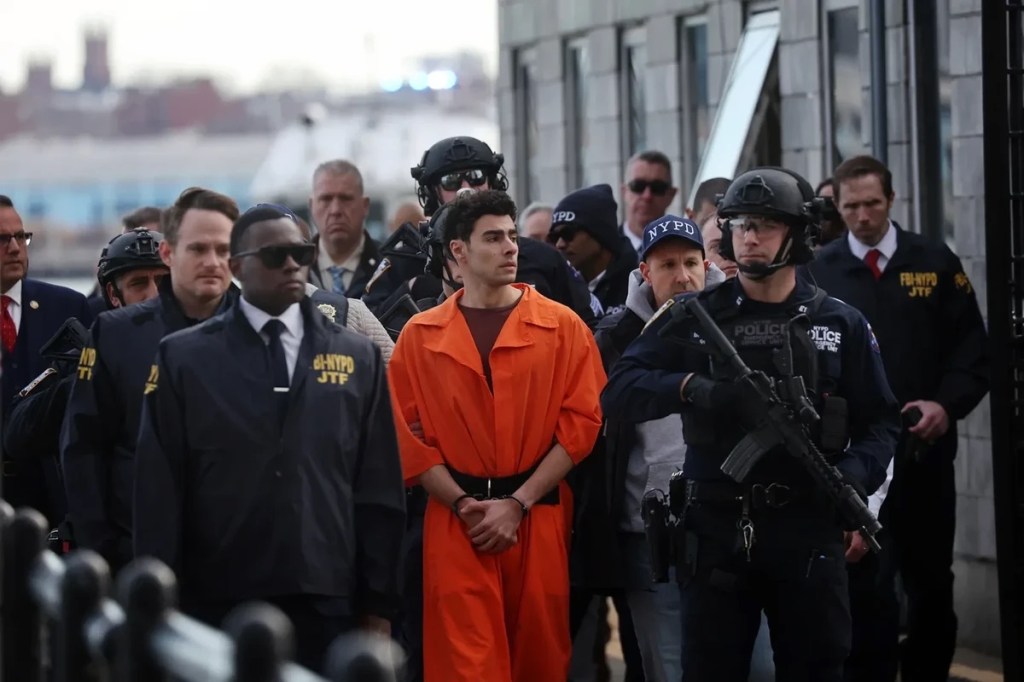
The case involving Luigi Mangione has sparked broader discussions about copycat crimes, online radicalization, and the increase in political violence in several countries, especially the United States.
Experts who study violent extremism say copycat crimes can happen when a highly publicized attack receives intense media attention or online glorification. In some cases, individuals who already feel isolated, angry, or politically extreme may become influenced by the visibility surrounding a crime or suspect. Researchers stress that most people exposed to violent news never commit crimes, but repeated exposure and online echo chambers can sometimes encourage unstable individuals.
Several factors are often linked to rising political violence:
Increasing political polarization Misinformation and conspiracy theories online Social media algorithms amplifying outrage Economic stress and distrust in institutions Extremist communities encouraging aggressive rhetoric
Security analysts also warn that modern political violence is no longer tied to only one ideology. Threats can emerge from different political or extremist movements, including lone actors who become radicalized online without direct organizational control.
At the same time, experts caution against turning criminal suspects into celebrities. Excessive attention, memes, or online fan communities surrounding violent suspects can unintentionally encourage imitation or desensitize people to violence.
Organizations studying extremism and public safety continue urging stronger prevention efforts focused on mental health support, digital literacy, community intervention, and responsible media coverage rather than sensationalism.
National Center for the Study of Terrorism and Responses to Terrorism (START)
 ☄️WELCOME TO FACENOTEE.COM🕳️👍🏿
Leave a comment