

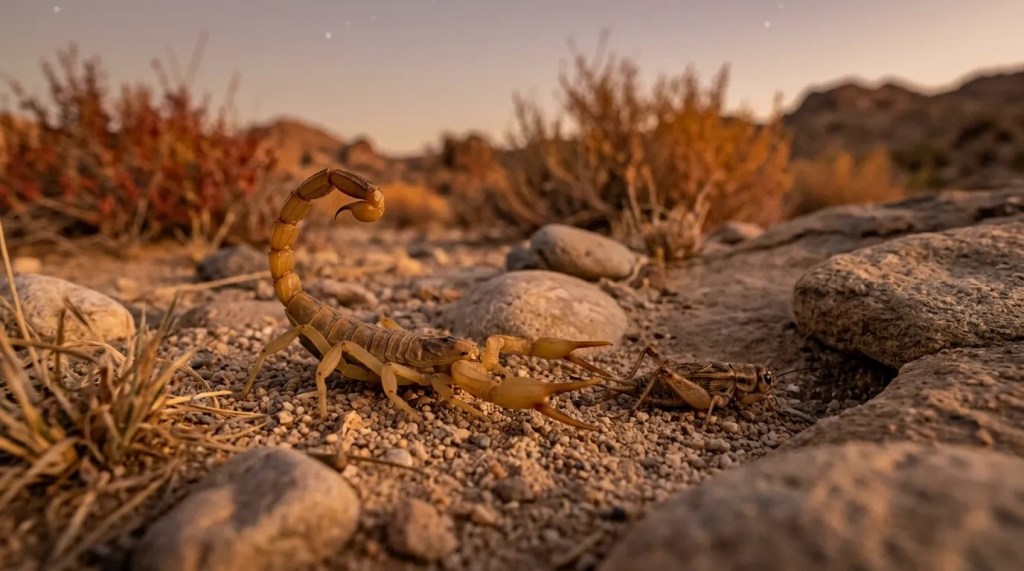
Because We Focused On The Snakes, We Missed The Scorpion!
In life, danger does not always arrive in the form we expect.
Sometimes we become so focused on the obvious threats — the loud problems, visible enemies, or familiar fears — that we completely overlook the quieter danger creeping closer beside us. While everyone watches the snake, the scorpion slips by unnoticed.
The phrase “Because we focused on the snakes, we missed the scorpion” is a powerful reminder about distraction, misplaced attention, and hidden risks.
The Danger of Tunnel Vision
People naturally pay attention to threats they already understand. Snakes are visible, feared, and easy to identify. Scorpions, however, often hide quietly in shadows until it is too late.
This happens everywhere:
In business In politics In relationships In personal life
Sometimes the biggest threat is not the one making noise — it is the one nobody is watching.
Modern Examples
In Technology
Companies may focus heavily on competitors while ignoring internal problems like poor customer service, security weaknesses, or employee dissatisfaction.
In Society
People may spend time debating one crisis while another issue grows silently in the background.
In Personal Life
Someone may fear failure so much that they overlook burnout, unhealthy habits, or toxic friendships slowly causing damage.
Lessons From The Scorpion
1. Not Every Threat Is Obvious
The most dangerous problems are often hidden, underestimated, or ignored.
2. Fear Can Distract Us
Focusing too much on one fear can blind us to other important realities.
3. Awareness Matters
Wisdom is not only about seeing what is in front of you — it is also about noticing what others ignore.
Balance Is Important
Being alert does not mean becoming paranoid. It means learning to observe carefully, think critically, and avoid becoming consumed by only one issue.
A balanced perspective helps people make better decisions and avoid surprises.
Final Thought
The world is full of “snakes” that attract attention and “scorpions” that move quietly beneath the surface. The challenge is learning how to recognize both.
Because sometimes, while everyone is staring at the obvious danger, the real threat is already much closer.
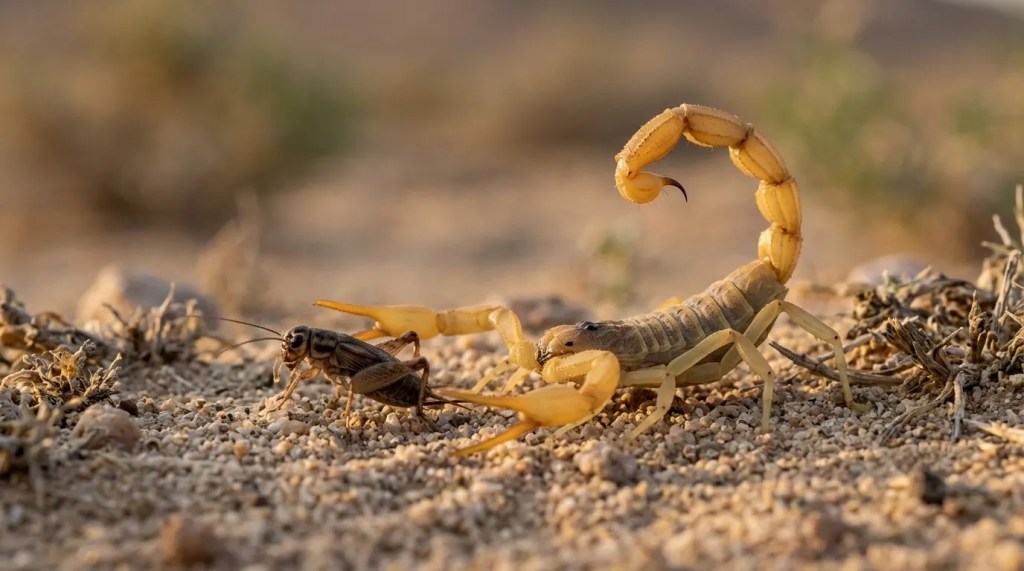
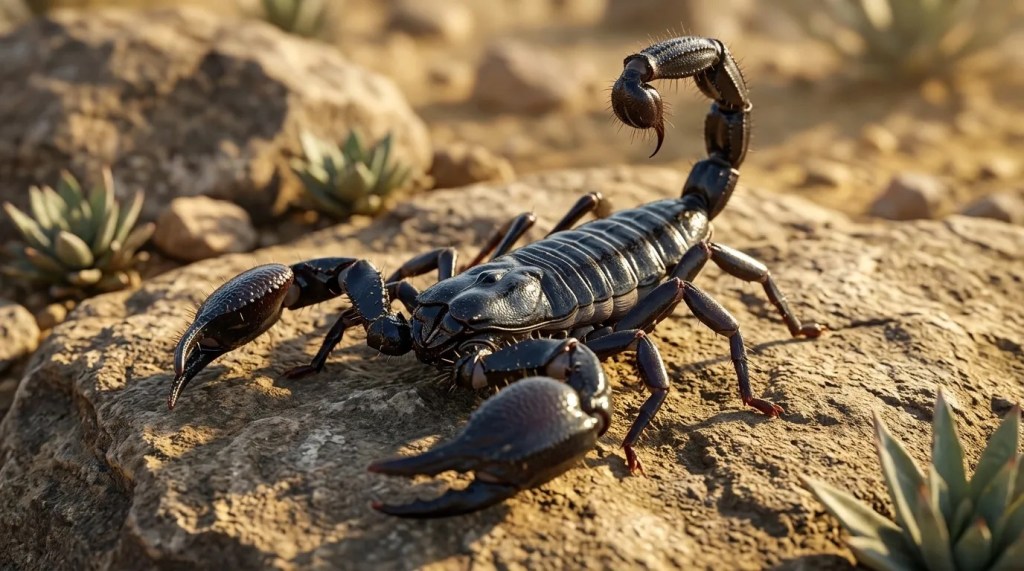
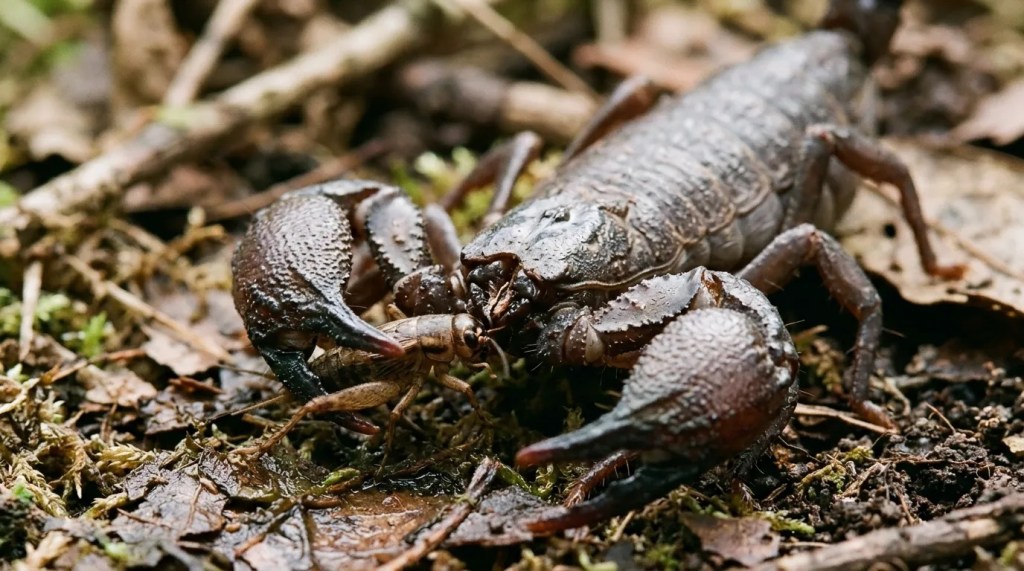
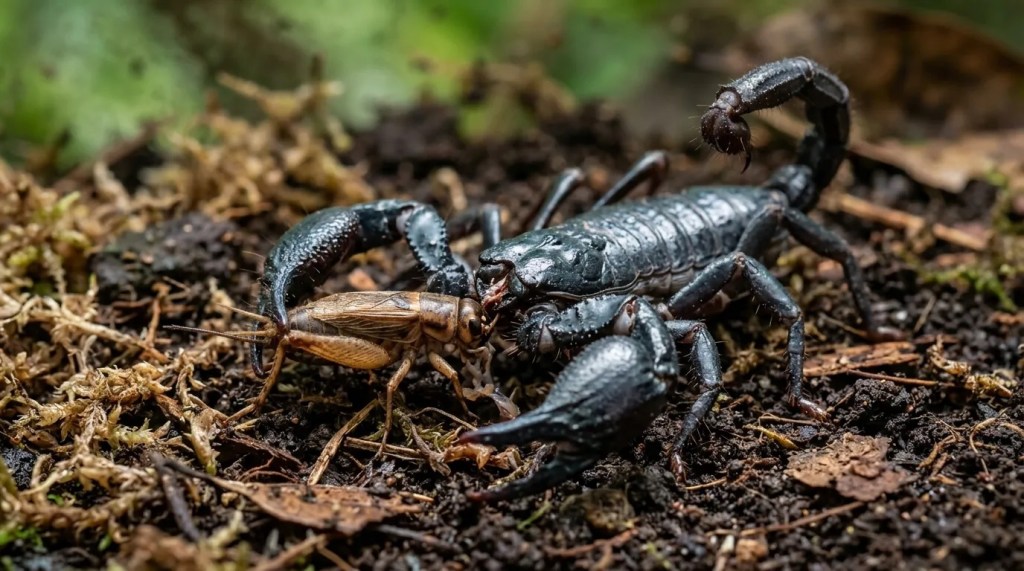
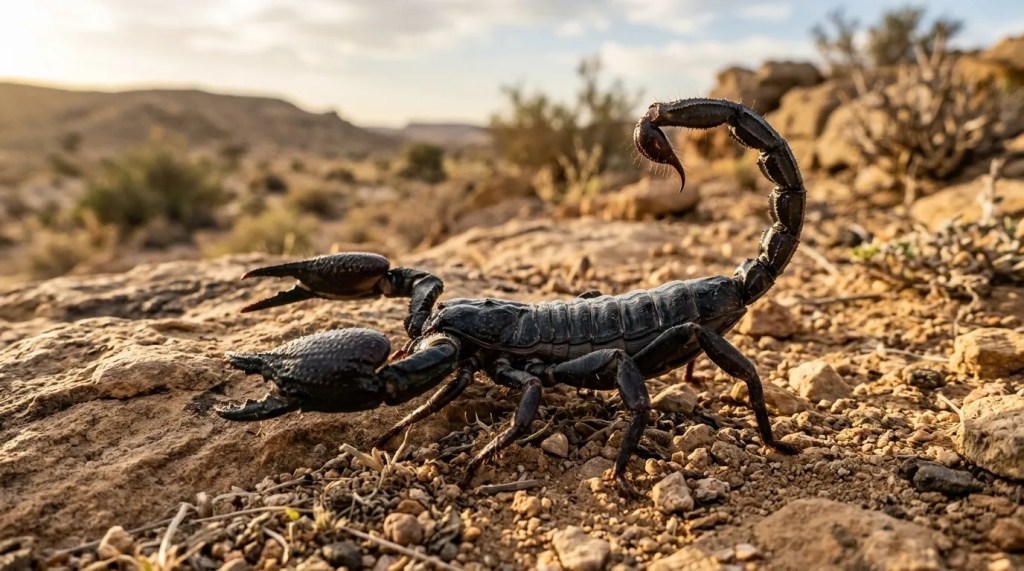
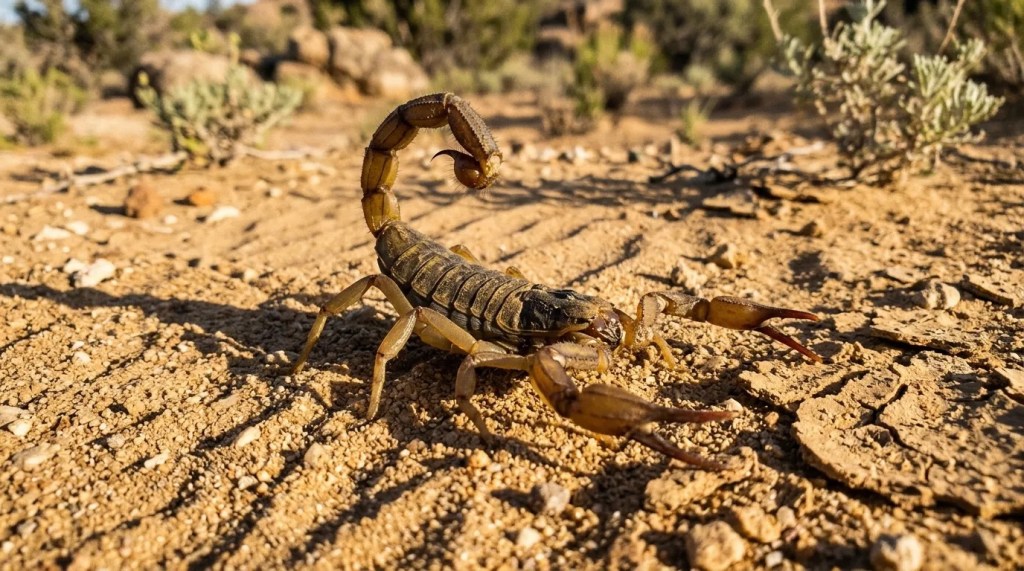

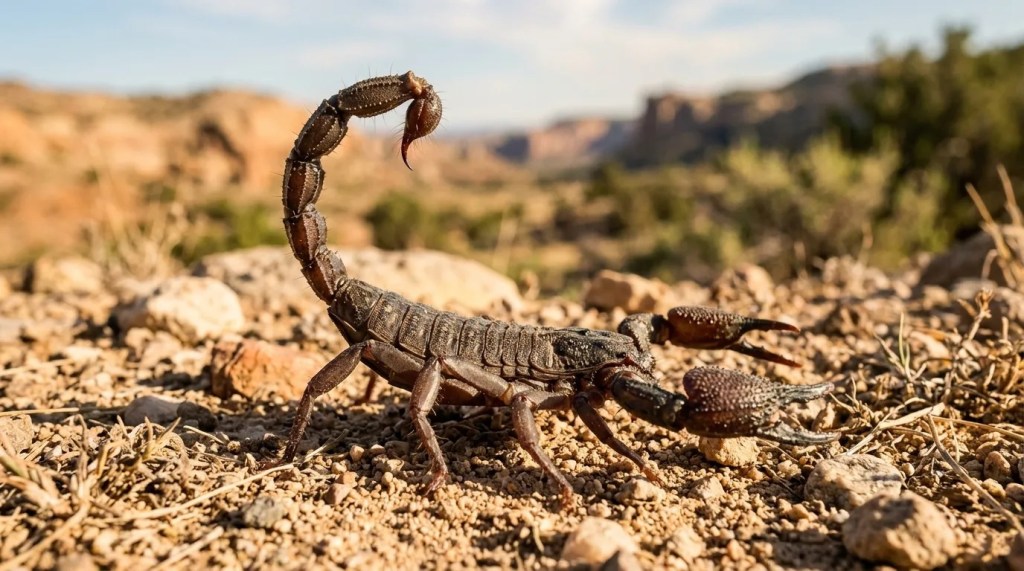
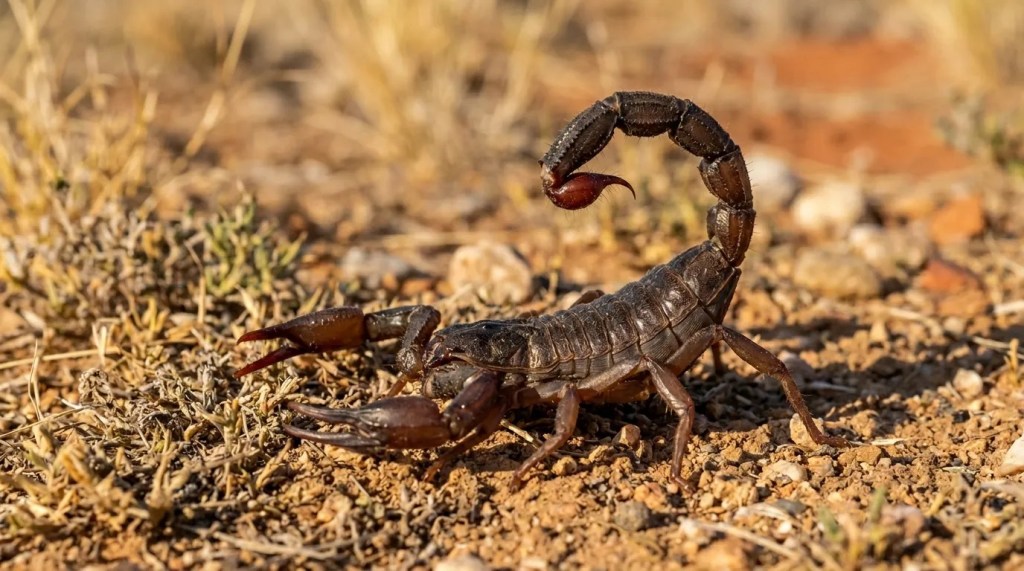
Scorpions come in many different species, with over 2,500 known types worldwide. They vary in size, color, habitat, and venom strength. Here are some of the most well-known types of scorpions:
Popular Types of Scorpions
1. Emperor Scorpion
One of the largest scorpions in the world Native to West Africa Usually black and shiny Venom is relatively mild compared to dangerous species
2. Deathstalker Scorpion
Considered one of the most dangerous scorpions Found in North Africa and the Middle East Yellow-colored with highly toxic venom
3. Arizona Bark Scorpion
The most venomous scorpion in North America Small and light brown Common in deserts of the southwestern United States
4. Asian Forest Scorpion
Large black scorpion found in Southeast Asia Popular in exotic pet collections Strong pincers and moderate venom
5. Giant Desert Hairy Scorpion
One of the biggest scorpions in North America Covered with tiny hairs Lives in desert environments
6. Yellow Fat-Tailed Scorpion
Extremely venomous Found in desert regions of Africa and the Middle East Thick tail and yellow body
7. Striped Bark Scorpion
Recognized by two dark stripes on its back Found in parts of the United States and Mexico
8. Black Spitting Scorpion
Native to southern Africa Can spray venom toward threats Dark-colored and highly defensive
Interesting Scorpion Facts
Scorpions have existed for over 400 million years. They glow under ultraviolet (UV) light. Most scorpions are not deadly to humans. They mainly hunt insects and small animals. Scorpions can survive harsh desert conditions.
Where Scorpions Live
Scorpions are commonly found in:
Deserts Forests Grasslands Rocky areas Tropical regions
They are most active at night and usually hide under rocks, wood, or cracks during the day.
 ☄️WELCOME TO FACENOTEE.COM🕳️👍🏿
Leave a comment