Small Wonders: Exploring the Fascinating World of Insects

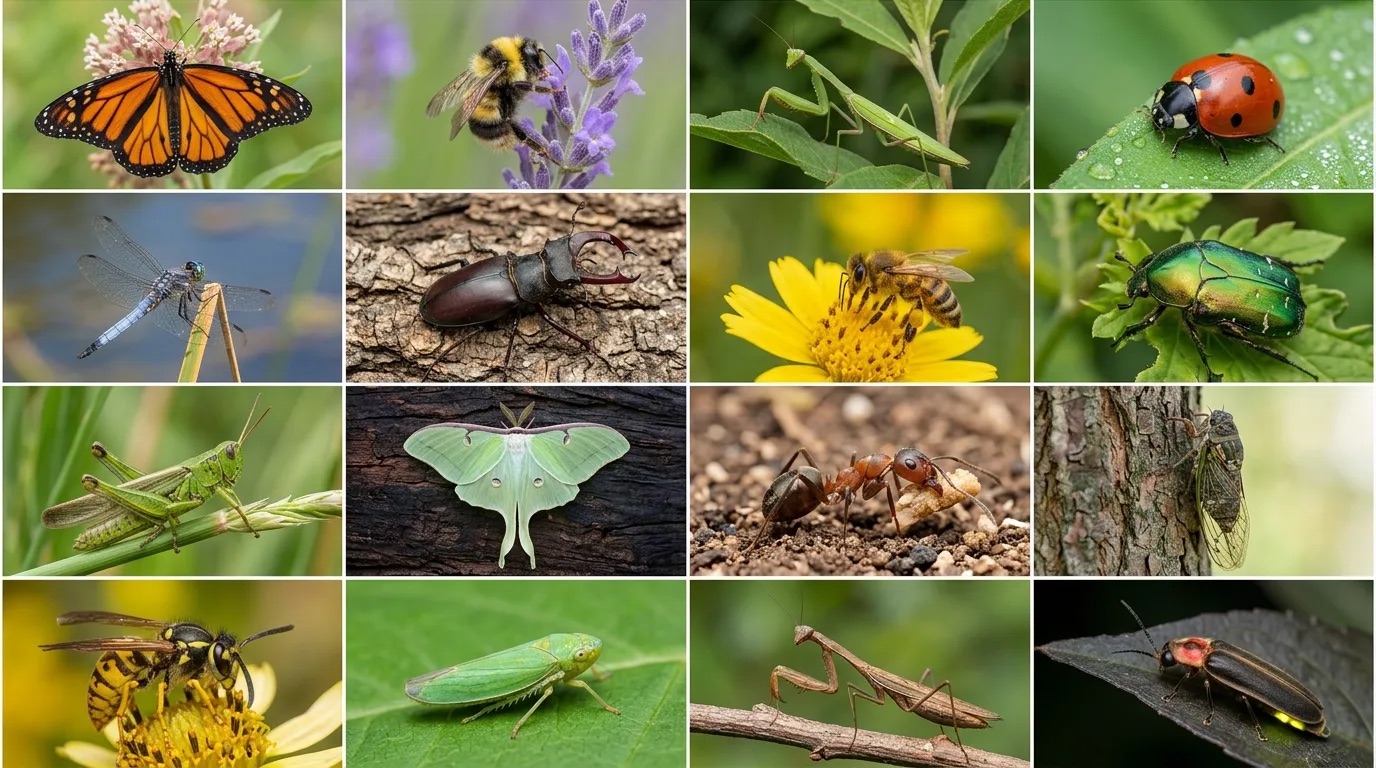
Insects are the most diverse group of animals on Earth—there are millions of species, and they live almost everywhere: forests, deserts, rivers, cities, and even inside soil you walk on every day.
Even though they are small, insects play a huge role in nature and human life.
Why Insects Are So Important
Insects may be tiny, but the planet depends on them.
Pollination: Bees, butterflies, and beetles help plants reproduce Decomposition: Ants and termites break down dead plants and animals Food chain: Birds, fish, reptiles, and mammals rely on insects for food Soil health: Some insects improve soil fertility naturally
Without insects, ecosystems would collapse very quickly.
Amazing Examples of Insect Life
Bees
Bees are expert pollinators. They help produce fruits like mangoes, apples, and oranges.
A single colony can contain tens of thousands of workers working like a “super-organism.”
Ants
Ants are highly organized and live in complex colonies.
They farm fungi They build underground cities They communicate using chemicals
Some species even form “living bridges” with their bodies.
Butterflies
Butterflies are known for their beauty and transformation:
Egg → Larva (caterpillar) → Pupa → Adult butterfly This process is called metamorphosis
They are also important pollinators.
Beetles
Beetles are the largest group of insects on Earth.
Some are strong (like dung beetles that can push 1,000× their weight) Others are colorful “jewels” in nature
Incredible Insect Abilities
Insects have superpowers that seem almost unreal:
Navigation: Bees use the sun as a compass Memory: Ants remember complex paths 🕷️ Camouflage: Stick insects look exactly like branches ⚡ Strength: Some beetles are among the strongest animals on Earth (relative to size) Transformation: Complete body changes during metamorphosis
Insects in Everyday Life Insects are everywhere around you:
Ants in homes and roads Mosquitoes in rainy seasons Bees in farms and gardens Beetles in soil and palm trees Caterpillars on leaves
Even if we don’t always notice them, they are constantly working in nature.
The Balance: Helpful vs Harmful Insects
Helpful insects:
Bees (pollination) Ladybugs (pest control) Termites (soil recycling) Butterflies (pollination + biodiversity)
Harmful insects:
Mosquitoes (disease transmission) Crop pests (destroy food plants) Some biting flies
Most insects are actually beneficial or harmless, not dangerous.
Insects may be small, but they are some of the most successful life forms on Earth. They’ve existed for hundreds of millions of years and will likely continue long after many larger animals disappear.
They are truly nature’s small wonders with big impact.
Leave a Reply