History of Cyprus
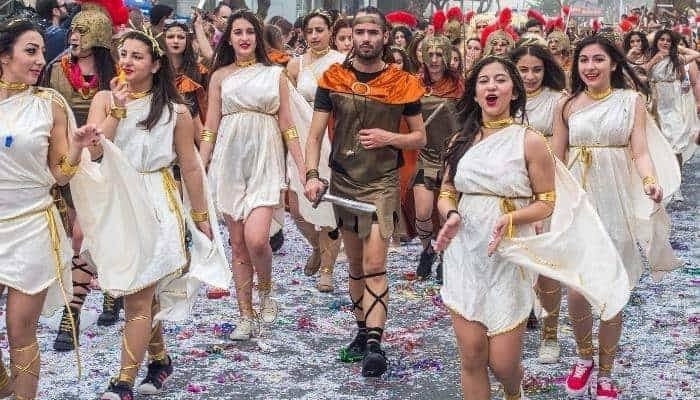
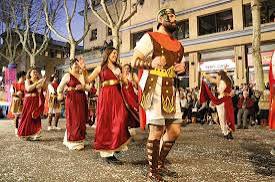
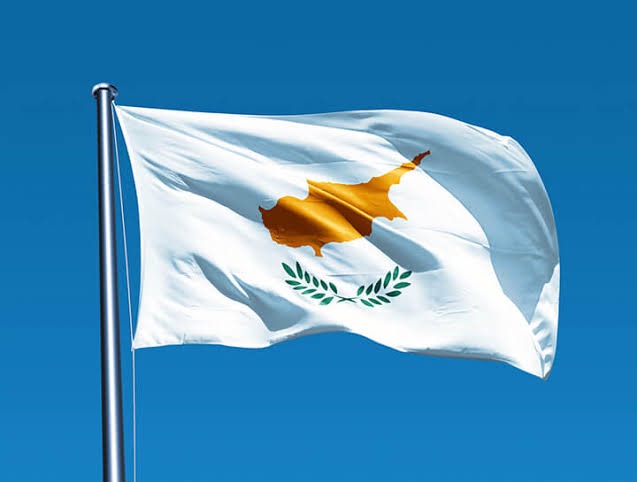
The history of Cyprus is shaped by its strategic location in the eastern Mediterranean — between Europe, Asia, and Africa. Because of this, it has been ruled and influenced by many major civilizations over thousands of years.
Ancient Cyprus (c. 10,000 BCE – 300 BCE)
Cyprus was inhabited from the Neolithic period, making it one of the earliest settled islands in the Mediterranean.
Early people built farming villages like Choirokoitia The island became famous for copper (the name “Cyprus” is linked to copper) It was influenced by ancient Greeks, Phoenicians, and Egyptians
By the 1st millennium BCE, Cyprus was part of the Greek cultural world.
Classical & Roman Periods (300 BCE – 330 CE)
Cyprus became part of powerful empires:
First ruled by the Ptolemaic Kingdom of Egypt Then conquered by the Roman Empire
During Roman rule:
Christianity spread early in Cyprus Cities like Paphos flourished The island became an important trade and military hub
Byzantine Rule (330–1191)
After the fall of Rome, Cyprus became part of the Byzantine Empire.
Christianity became deeply rooted in society Many churches and monasteries were built The island faced repeated Arab raids but remained Byzantine
Crusaders, Venetians & Ottoman Rule (1191–1878)
Cyprus changed rulers many times:
1191: captured by Richard the Lionheart during the Crusades Later ruled by the Venetians, who fortified cities like Nicosia In 1571, the Ottoman Empire took control
Under Ottoman rule:
Islam was introduced alongside Christianity Turkish Cypriots and Greek Cypriots developed as distinct communities
British Rule (1878–1960)
In 1878, Cyprus came under the administration of United Kingdom.
Britain formally annexed it in 1914 Infrastructure like roads and administration modernized National identity movements grew among Greek Cypriots seeking union with Greece
Independence & Conflict (1960–present)
Cyprus became independent in 1960, with power-sharing between Greek and Turkish Cypriots.
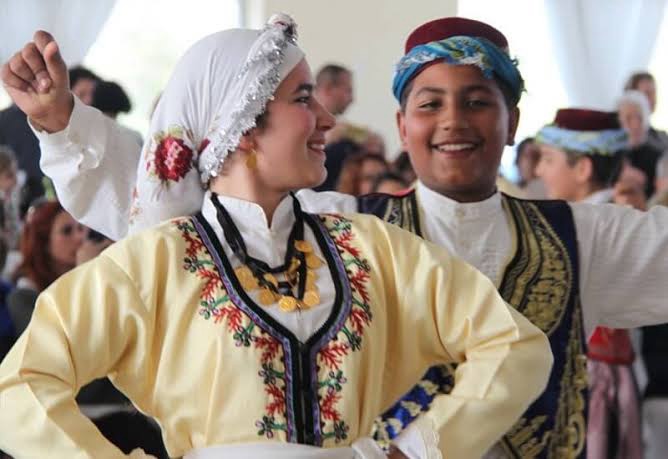

However, tensions grew:
In 1974, a coup supported by Greece triggered intervention by Turkey The island became divided into: The Republic of Cyprus (south) The Turkish-controlled north, later declaring itself the Turkish Republic of Northern Cyprus (recognized only by Turkey)
A UN buffer zone still separates both sides in Nicosia.
Modern Cyprus
Today, Cyprus is:
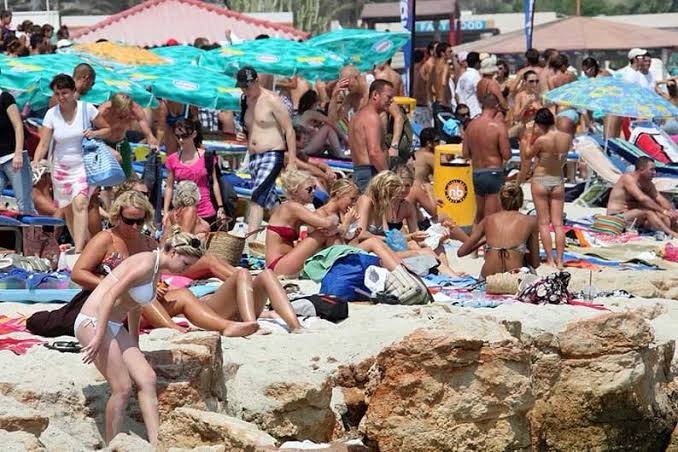
A member of the European Union (since 2004) A developed economy based on tourism, shipping, and services Still politically divided, but relatively stable Known for beaches, ancient ruins, and cultural mix
In Summary
The story of Cyprus is:
Ancient Mediterranean civilization Greek, Roman, and Byzantine influence Crusader, Venetian, and Ottoman rule British colonial period Independence followed by division Modern EU nation with a complex political situation.
The story of Cyprus is the story of a small island with a very big history — shaped by trade, empires, cultural mixing, and a long-lasting division that still exists today.
The Ancient Island
Thousands of years ago, people settled on Cyprus because of its fertile land and rich copper deposits. In fact, the island was so important for copper that some historians believe its name is linked to the metal.
Early settlements like Choirokoitia show that Cyprus was one of the earliest organized societies in the Mediterranean.
Over time, Greeks, Phoenicians, and Egyptians all influenced the island, making it a cultural crossroads.
A Land of Empires
Cyprus was repeatedly taken over because of its strategic location.
It became part of the Greek world, then the Roman Empire
Christianity arrived early and spread widely
Cities like Paphos became wealthy cultural centers
Later, it was ruled by the Byzantine Empire, where churches and monasteries shaped much of its identity.
Crusaders and Foreign Rule
In 1191, Cyprus was taken by Richard the Lionheart during the Crusades. After that, it changed hands many times:
The Venetians fortified the island
In 1571, the Ottoman Empire conquered Cyprus
Turkish and Greek communities began living side by side under Ottoman rule
These centuries shaped the island’s mixed cultural identity.
British Era and Rising Identity
In 1878, Cyprus came under British administration and was later formally annexed.
During this time:
Infrastructure and modern governance developed
Greek Cypriots increasingly wanted union with Greece
Turkish Cypriots worried about their future in the island
Tensions slowly increased.
Independence and Division
Cyprus became independent in 1960 as a shared state between Greek and Turkish Cypriots.
But tensions escalated, and in 1974 a crisis led to intervention by Turkey.
The island became divided:
The south: Republic of Cyprus
The north: Turkish-controlled region (recognized only by Turkey)
A UN buffer zone still separates both sides in the capital, Nicosia
Modern Cyprus Today
Today, Cyprus is:
A member of the European Union
A popular tourism destination with beaches and ancient ruins
A modern economy built on services, shipping, and tourism
Still politically divided, but peaceful compared to its past
The Heart of the Story
The story of Cyprus is:
An ancient island of early settlers and copper trade
A crossroads of great empires
A land shaped by foreign rulers and cultural blending
A nation born into independence
A modern country still working through division.
 ☄️WELCOME TO FACENOTEE.COM🕳️👍🏿
Leave a comment