History of Zimbabwe
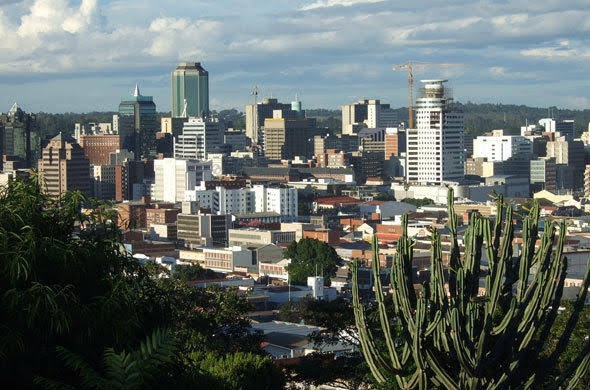
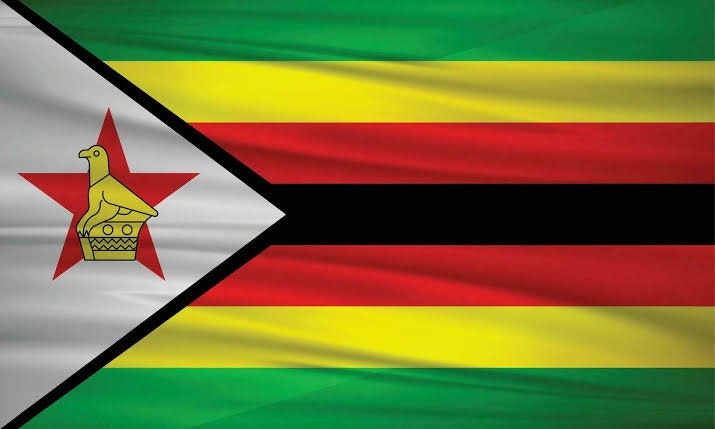

Long ago, in the southern part of Africa, there was a land of rolling hills, rivers, and golden stone cities. This land is now called Zimbabwe, and its story is one of great kingdoms, struggle, and renewal.
Many centuries ago, powerful African communities lived in the region. The most famous of them built a remarkable stone city known as Great Zimbabwe. Its walls were built carefully without mortar, showing advanced skill and organization.
Great Zimbabwe became a center of trade. People exchanged gold, ivory, and cattle with traders from faraway lands along the Indian Ocean coast. It was a symbol of wealth and African achievement long before European contact.
After Great Zimbabwe declined, new kingdoms rose. The Rozvi Empire controlled parts of the region, and later the Ndebele Kingdom was established in the 1800s by a leader named Mzilikazi, who brought his people from the south.
In the late 1800s, European settlers arrived, led by British expansion under Cecil Rhodes. The land was taken over and renamed Southern Rhodesia. Large farms and mines were created, but most African people were pushed off their land and had few rights.
Over time, people began to resist colonial rule. They wanted freedom, equality, and control over their own land. Political movements grew stronger, and many brave leaders emerged.
From the 1960s, a long and difficult liberation struggle began. Groups like ZANU and ZAPU fought for independence in a conflict known as the Rhodesian Bush War. It lasted many years and brought hardship to many families.
Finally, after negotiations and global pressure, peace was reached. In 1980, the country became independent and was renamed Zimbabwe. Robert Mugabe became the first leader of the new nation.
At independence, there was great hope. Schools, hospitals, and services expanded, and people celebrated freedom after many years of struggle.
But over time, political and economic challenges grew. Land reforms, disagreements, and economic difficulties affected the country. Later, leadership changed when Robert Mugabe was removed from power in 2017, and Emmerson Mnangagwa became president.
Today, Zimbabwe is a country of strong culture, rich history, and natural beauty. It is home to wildlife, national parks, and important landmarks that attract visitors from around the world.
The story of Zimbabwe is one of ancient greatness, painful struggle, and continued hope. From the stone walls of Great Zimbabwe to the modern nation today, its people continue to move forward with resilience and pride.


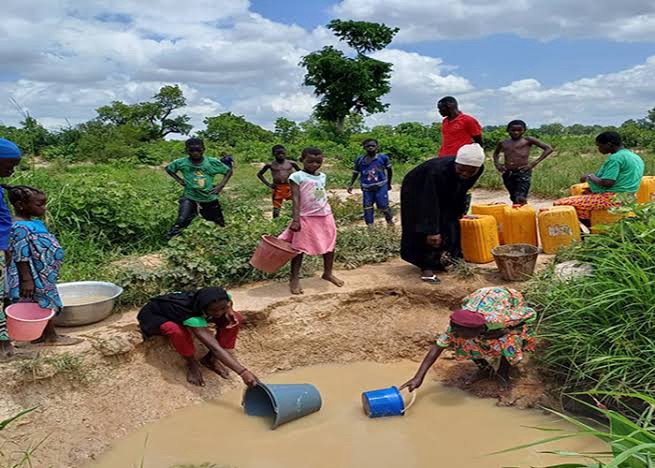

Long ago, in the southern part of Africa, there was a land of rolling hills, rivers, and golden stone cities. This land is now called Zimbabwe, and its story is one of great kingdoms, struggle, and renewal.
Many centuries ago, powerful African communities lived in the region. The most famous of them built a remarkable stone city known as Great Zimbabwe. Its walls were built carefully without mortar, showing advanced skill and organization.
Great Zimbabwe became a center of trade. People exchanged gold, ivory, and cattle with traders from faraway lands along the Indian Ocean coast. It was a symbol of wealth and African achievement long before European contact.
After Great Zimbabwe declined, new kingdoms rose. The Rozvi Empire controlled parts of the region, and later the Ndebele Kingdom was established in the 1800s by a leader named Mzilikazi, who brought his people from the south.
In the late 1800s, European settlers arrived, led by British expansion under Cecil Rhodes. The land was taken over and renamed Southern Rhodesia. Large farms and mines were created, but most African people were pushed off their land and had few rights.
Over time, people began to resist colonial rule. They wanted freedom, equality, and control over their own land. Political movements grew stronger, and many brave leaders emerged.
From the 1960s, a long and difficult liberation struggle began. Groups like ZANU and ZAPU fought for independence in a conflict known as the Rhodesian Bush War. It lasted many years and brought hardship to many families.
Finally, after negotiations and global pressure, peace was reached. In 1980, the country became independent and was renamed Zimbabwe. Robert Mugabe became the first leader of the new nation.
At independence, there was great hope. Schools, hospitals, and services expanded, and people celebrated freedom after many years of struggle.
But over time, political and economic challenges grew. Land reforms, disagreements, and economic difficulties affected the country. Later, leadership changed when Robert Mugabe was removed from power in 2017, and Emmerson Mnangagwa became president.
Today, Zimbabwe is a country of strong culture, rich history, and natural beauty. It is home to wildlife, national parks, and important landmarks that attract visitors from around the world.
The story of Zimbabwe is one of ancient greatness, painful struggle, and continued hope. From the stone walls of Great Zimbabwe to the modern nation today, its people continue to move forward with resilience and pride.
Zimbabwe has a long history shaped by ancient civilizations, powerful kingdoms, colonial rule, liberation struggle, and modern political change.
Early Civilizations
Long before European arrival, the region was home to advanced African societies. One of the most famous was the civilization that built Great Zimbabwe between the 11th and 15th centuries.
Great Zimbabwe was a powerful trading center. Its people traded gold, ivory, and cattle with merchants from the East African coast and beyond. The massive stone structures built without mortar show the skill and organization of its builders.
After its decline, other kingdoms emerged, including the Rozvi Empire and later the Ndebele Kingdom in the 19th century under Mzilikazi, who migrated from what is now South Africa.
European Arrival and Colonial Rule
In the late 1800s, British colonial expansion reached the region under the influence of Cecil Rhodes and his British South Africa Company.
By 1890, the area became known as Southern Rhodesia. The land was taken over, and large farms and mines were given to European settlers, while many Africans lost land and political rights.
Rise of Nationalism
By the mid-1900s, Africans began demanding independence. Political movements grew stronger as people resisted colonial rule and racial inequality.
Tensions increased between the minority white government and the African majority seeking equal rights and self-rule.
Liberation War
From the 1960s to 1979, Zimbabwe experienced a long and violent liberation struggle known as the Rhodesian Bush War.
Two main nationalist movements led the fight:
Zimbabwe African National Union (ZANU) Zimbabwe African People’s Union (ZAPU)
After years of conflict and international pressure, peace talks were held.
Independence
In 1980, Zimbabwe gained independence. Robert Mugabe became the country’s first prime minister.
The country was renamed Zimbabwe, symbolizing a new beginning and national identity.
Post-Independence Era
In the early years, Zimbabwe made progress in education, healthcare, and infrastructure. However, political tensions between groups remained.
Over time, Robert Mugabe became president and ruled for many decades. His leadership later faced criticism over economic decline, political repression, and land reform policies that affected agriculture.
Modern Zimbabwe
In 2017, Mugabe was removed from power, and a new leadership under Emmerson Mnangagwa took over.
Zimbabwe continues to face economic challenges, inflation issues, and political debates, but it remains a country with strong cultural identity and resilience.
Summary
Zimbabwe’s history includes:
Ancient Great Zimbabwe civilization Powerful pre-colonial kingdoms British colonial rule as Southern Rhodesia Liberation war (1960s–1979) Independence in 1980 Long rule of Robert Mugabe Recent political transition
Today, Zimbabwe is known for its rich heritage, wildlife, and historic sites, and its people continue working toward stability and economic recovery.
Long ago, in the southern part of Africa, there was a land of rolling hills, rivers, and golden stone cities. This land is now called Zimbabwe, and its story is one of great kingdoms, struggle, and renewal.
Many centuries ago, powerful African communities lived in the region. The most famous of them built a remarkable stone city known as Great Zimbabwe. Its walls were built carefully without mortar, showing advanced skill and organization.
Great Zimbabwe became a center of trade. People exchanged gold, ivory, and cattle with traders from faraway lands along the Indian Ocean coast. It was a symbol of wealth and African achievement long before European contact.
After Great Zimbabwe declined, new kingdoms rose. The Rozvi Empire controlled parts of the region, and later the Ndebele Kingdom was established in the 1800s by a leader named Mzilikazi, who brought his people from the south.
In the late 1800s, European settlers arrived, led by British expansion under Cecil Rhodes. The land was taken over and renamed Southern Rhodesia. Large farms and mines were created, but most African people were pushed off their land and had few rights.
Over time, people began to resist colonial rule. They wanted freedom, equality, and control over their own land. Political movements grew stronger, and many brave leaders emerged.
From the 1960s, a long and difficult liberation struggle began. Groups like ZANU and ZAPU fought for independence in a conflict known as the Rhodesian Bush War. It lasted many years and brought hardship to many families.
Finally, after negotiations and global pressure, peace was reached. In 1980, the country became independent and was renamed Zimbabwe. Robert Mugabe became the first leader of the new nation.
At independence, there was great hope. Schools, hospitals, and services expanded, and people celebrated freedom after many years of struggle.
But over time, political and economic challenges grew. Land reforms, disagreements, and economic difficulties affected the country. Later, leadership changed when Robert Mugabe was removed from power in 2017, and Emmerson Mnangagwa became president.
Today, Zimbabwe is a country of strong culture, rich history, and natural beauty. It is home to wildlife, national parks, and important landmarks that attract visitors from around the world.
The story of Zimbabwe is one of ancient greatness, painful struggle, and continued hope. From the stone walls of Great Zimbabwe to the modern nation today, its people continue to move forward with resilience and pride.
 Welcome to facenotee👍🏿
Leave a comment