History of Tunisia
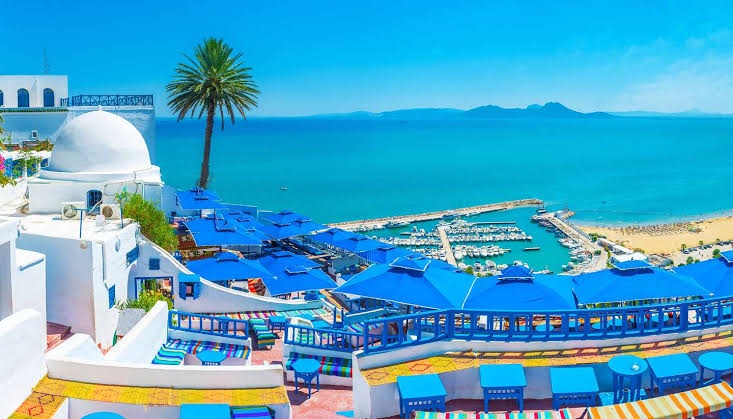
Tunisia has one of the oldest and richest histories in Africa, shaped by ancient empires, trade, Islamic civilization, colonial rule, and modern political change.
Early History and Carthage
The land of present-day Tunisia was first inhabited by Berber peoples. Around the 9th century BCE, Phoenician settlers from the city of Tyre founded the great city of Carthage near modern Tunis.
Carthage became a powerful trading empire across the Mediterranean. It controlled important sea routes and became one of the greatest rivals of ancient Rome.
The Punic Wars
Between 264 BCE and 146 BCE, Carthage fought Rome in the famous Punic Wars. One of Carthage’s greatest generals was Hannibal, known for crossing the Alps with elephants to attack Rome.
After the Third Punic War, Rome destroyed Carthage in 146 BCE, and Tunisia became part of the Roman Empire.
Roman and Byzantine Rule
Under Roman rule, Tunisia became prosperous and was known for producing grain and olive oil. Cities, roads, and amphitheaters were built, including the famous amphitheater at El Djem.
Later, the Byzantine Empire controlled the region after the fall of Rome.
Arab-Islamic Conquest
In the 7th century, Arab Muslim armies conquered the region. Islam spread, and Arabic gradually became the main language.
The city of Kairouan became a major center of Islamic learning and culture in North Africa.
Ottoman Rule
In the 1500s, Tunisia became part of the Ottoman Empire. Although ruled by local beys, it remained under Ottoman influence for centuries.
French Colonial Rule
In 1881, France established Tunisia as a protectorate. French control influenced administration, education, and the economy, but many Tunisians demanded independence.
Independence
Tunisia gained independence in 1956 under the leadership of Habib Bourguiba.
He became the first president and introduced reforms in education, women’s rights, and modernization.
Ben Ali Era
In 1987, Zine El Abidine Ben Ali took power. His government was criticized for corruption and lack of political freedom.
Arab Spring and Modern Tunisia
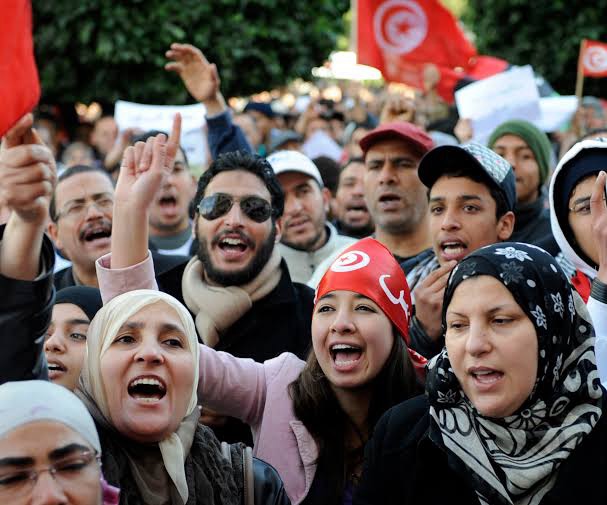
In 2010–2011, protests began after the death of street vendor Mohamed Bouazizi. This sparked the Tunisian Revolution, part of the wider Arab Spring.
Ben Ali was removed from power in 2011. Tunisia then moved toward democracy and became known for its peaceful political transition, though challenges remain.
Summary

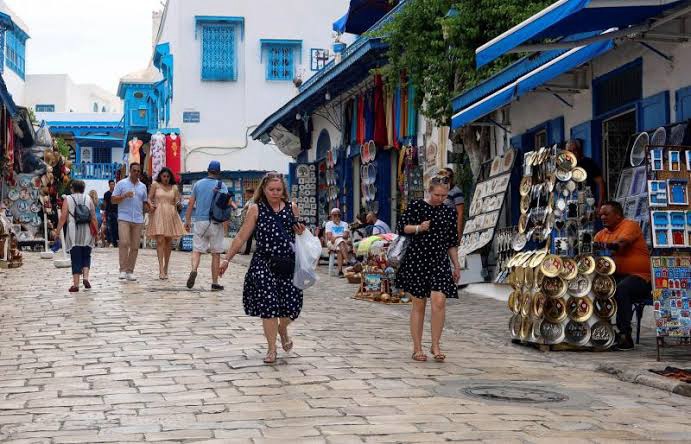
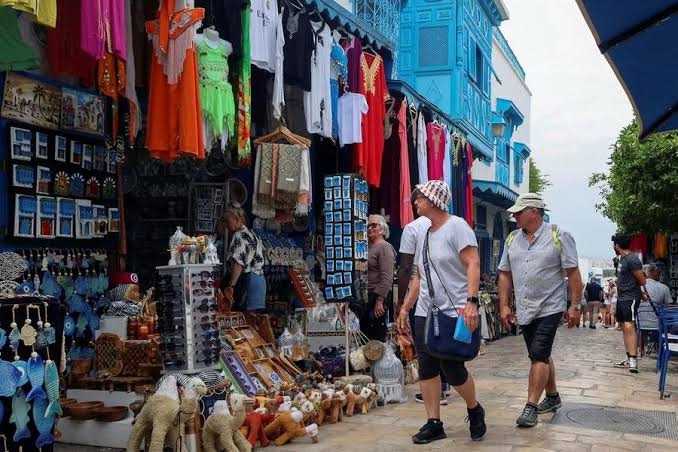
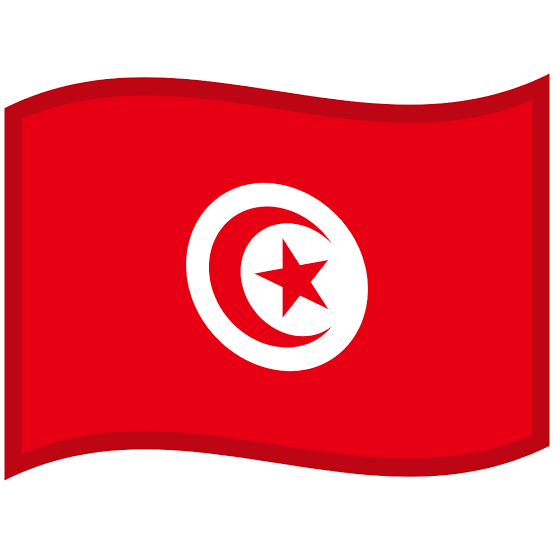





Tunisia’s history includes:
Ancient Carthage and rivalry with Rome Roman and Byzantine rule Arab-Islamic civilization Ottoman and French control Independence and modern democratic change
Today, Tunisia is known for its historic cities, Mediterranean culture, and major role in the Arab Spring.
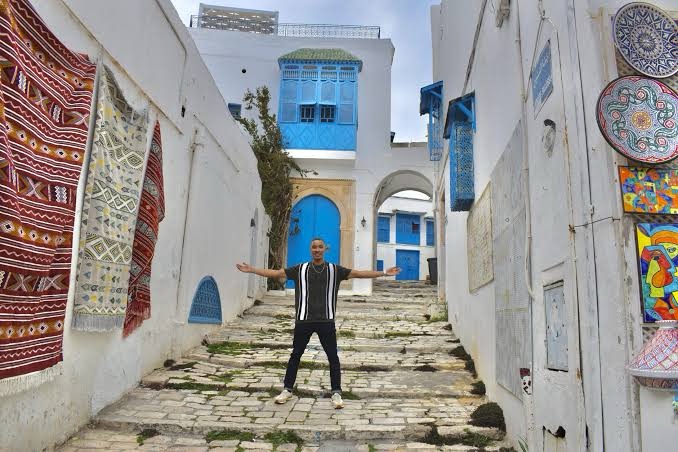
Long ago, on the northern coast of Africa beside the Mediterranean Sea, there was a land we now call Tunisia. Its story is one of powerful cities, great empires, and people who fought for freedom and change.
In the beginning, Berber people lived across the land, farming, trading, and building communities. Then, around the 9th century BCE, traders from Phoenicia arrived by sea and founded a city called Carthage.
Carthage grew into one of the richest and strongest cities of the ancient world. Its ships sailed across the Mediterranean, carrying goods and wealth. It became so powerful that it challenged mighty Rome itself.
One of Carthage’s greatest heroes was Hannibal. He became famous for leading his army, with elephants, across the snowy Alps to fight Rome. His bravery made him legendary.
But after many long wars called the Punic Wars, Rome defeated Carthage in 146 BCE and destroyed the city. Tunisia then became part of the Roman Empire.
Under Roman rule, the land prospered. Farms produced grain and olive oil, and beautiful cities, roads, and theaters were built. Great places like the amphitheater of El Djem still remind people of that time.
Later, after Rome weakened, the Byzantine Empire ruled the region for a time.
In the 7th century, Arab Muslim armies arrived. Islam spread across the land, and Arabic became the main language. The city of Kairouan became a great center of religion, learning, and culture.
Centuries later, Tunisia came under the influence of the Ottoman Empire. Local rulers called beys governed the land, but the Ottomans remained powerful in the background.
In 1881, France took control and made Tunisia a protectorate. Many Tunisians wanted freedom and worked for independence.
A leader named Habib Bourguiba became the face of that struggle. In 1956, Tunisia gained independence, and Bourguiba became its first president. He introduced many changes, especially in education and women’s rights.
Years later, Zine El Abidine Ben Ali took power. His government lasted for many years, but many people complained about corruption and lack of freedom.
In 2010, a young street vendor named Mohamed Bouazizi set off protests that changed history. People across Tunisia rose up, demanding justice and better lives. This became the Tunisian Revolution and inspired the wider Arab Spring across the Arab world.
In 2011, Ben Ali left power, and Tunisia began a new chapter of democracy and reform.
Today, Tunisia is known for its ancient ruins, beautiful Mediterranean coast, and strong spirit of change. From Carthage to modern democracy, its story is one of courage, resilience, and renewal.
 Welcome to facenotee👍🏿
Leave a comment