Early History and Ancient Trade
Somalia’s history stretches back thousands of years. Ancient Egyptians referred to the Land of Punt (likely in the Somali region) as a rich trading partner known for incense, gold, and exotic animals. Archaeological sites like Laas Geel cave paintings (over 5,000 years old) show early pastoral life.
By classical antiquity, Somali coastal cities were part of major Indian Ocean trade networks, linking Africa with Arabia, Persia, India, and later China. Ports such as Opone (modern Hafun) were mentioned in Greek and Roman texts like the Periplus of the Erythraean Sea.
Rise of Islamic Sultanates (7th–16th Century)
Islam arrived early, in the 7th century, brought by traders and refugees from the Arabian Peninsula. Over time, powerful Muslim states emerged, including:
Sultanate of Mogadishu – a prosperous city-state known for trade and textiles Ajuran Sultanate – controlled southern trade routes and irrigation systems Adal Sultanate – famous for its 16th-century wars against the Ethiopian Empire
The Adal leader Ahmad ibn Ibrahim al-Ghazi (Ahmed Gurey) led a major military campaign that nearly conquered Ethiopia before being defeated with Portuguese assistance.
Era of Coastal Trade and Foreign Influence (16th–19th Century)
After the decline of the earlier sultanates, Somali coastal regions came under the influence of Omani and later Zanzibari rulers. Trade in livestock, ivory, spices, and slaves expanded.
Meanwhile, inland Somali society remained largely clan-based, with nomadic pastoralism as a dominant lifestyle.
European Colonial Period (Late 19th–1960)
In the late 1800s, European powers divided Somali territories:
British Somaliland (north) Italian Somaliland (south) French Somaliland (modern Djibouti)
Resistance movements arose, especially the Dervish movement led by Sayyid Mohamed Abdullah Hassan, who fought the British for over 20 years.
Independence and Unification (1960)
In 1960, British Somaliland and Italian Somaliland united to form the Somali Republic. The early years were democratic, though marked by political instability and clan tensions.
Military Rule under Siad Barre (1969–1991)
In 1969, General Siad Barre seized power in a coup and established a socialist state. Key features of his rule:
Nationalization of industries Promotion of Somali nationalism Adoption of a written Somali language
However, his regime became increasingly authoritarian. The Ogaden War (1977–78) against Ethiopia weakened the state, and opposition grew.
Civil War and State Collapse (1991–2000s)
In 1991, Siad Barre’s government collapsed, triggering a prolonged civil war. Somalia fragmented into regions controlled by rival factions.
Key developments:
Absence of a strong central government for years International interventions (e.g., UN missions, U.S. involvement in 1993) Emergence of autonomous regions like Somaliland (declared independence, not widely recognized) and Puntland
Modern Somalia (2000s–Present)
Since the 2000s, Somalia has been rebuilding:
Formation of the Federal Government of Somalia (2012) Support from the African Union (AMISOM/ATMIS) Ongoing conflict with extremist group al-Shabaab
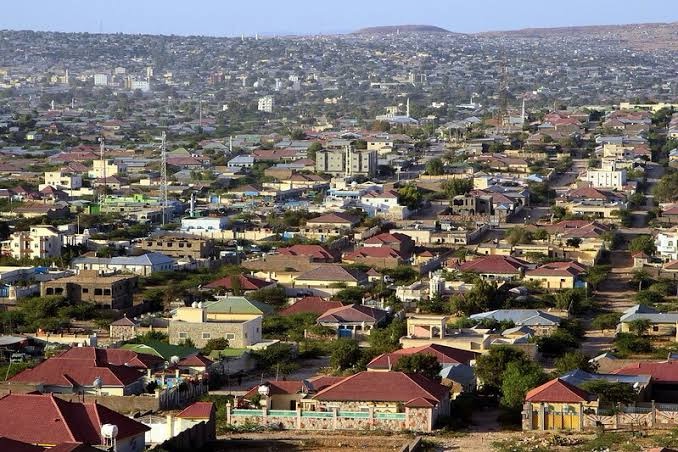
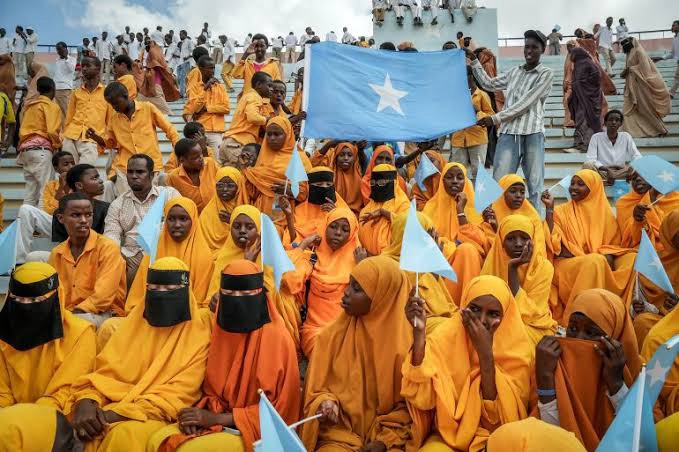
Despite challenges, there has been gradual progress in governance, infrastructure, and economic activity, especially in cities like Mogadishu.




Summary
Somalia’s history is marked by:
Early importance in global trade Strong Islamic and sultanate traditions Colonial division and later unification Military dictatorship followed by civil war Ongoing recovery and state-building.
Story of Somalia
Somalia is a country in the Horn of Africa with a long and dramatic story shaped by ancient trade, powerful Islamic kingdoms, colonial division, civil war, and ongoing rebuilding.
Ancient Beginnings and Early Trade
Long before modern borders existed, the Somali coast was part of one of the world’s oldest trading networks across the Indian Ocean. Ancient Egyptians may have referred to this region as the Land of Punt, known for exporting incense, myrrh, gold, and exotic goods.
Somali coastal cities such as Mogadishu, Zeila, and Berbera became important stops for traders from Arabia, Persia, India, and later China. This made Somalia an early hub of wealth and cultural exchange.
The Arrival of Islam and Powerful Sultanates
Islam reached Somalia very early, around the 7th century, through Arab traders. Over time, it became deeply rooted in society.
Between the medieval period and the 1500s, Somalia was ruled by several powerful Islamic states such as:
The Ajuran Sultanate (controlled water systems and trade routes)
The Sultanate of Mogadishu (a wealthy coastal trading city)
The Adal Sultanate (famous for wars against the Ethiopian Empire)
A famous Somali leader, Ahmed Gurey, led military campaigns that challenged one of the strongest empires in the region at the time.
Trade, Wealth, and Foreign Influence
From the 16th to 19th centuries, Somalia remained active in trade but gradually came under the influence of external powers such as the Omani Sultanate and later the Zanzibari Empire.
The economy still depended heavily on:
Livestock (camels, goats)
Frankincense and myrrh
Coastal trade routes
Colonial Rule and Resistance
In the late 1800s, European powers divided Somali lands:
Britain controlled the north (British Somaliland)
Italy controlled the south (Italian Somaliland)
France controlled nearby Djibouti
Somalis strongly resisted colonial rule. One of the most famous resistance movements was led by Sayyid Mohammed Abdullah Hassan, who fought the British for over 20 years with his Dervish movement.
Independence and Unification (1960)
In 1960, British Somaliland and Italian Somaliland gained independence and united to form the Somali Republic. This was a moment of great hope, as Somalis believed in a strong, unified nation.
The early government was democratic, but political tensions slowly grew.
Military Rule and Conflict
In 1969, a military coup brought Siad Barre to power. He introduced socialist policies, literacy programs, and national reforms, but his rule became increasingly authoritarian.
A major turning point came after the Ogaden War (1977–78) with Ethiopia, which weakened the country.
Civil War and Collapse (1991)
In 1991, the government collapsed, and Somalia entered a long civil war. The country fragmented into regions controlled by different groups.
This period led to:
Loss of central government
Severe humanitarian crises
International peacekeeping missions
Rise of regional administrations like Somaliland and Puntland
Modern Somalia and Rebuilding
Since the 2000s, Somalia has been slowly rebuilding institutions. In 2012, a Federal Government was formed in Mogadishu.
Today:
Somalia still faces security challenges, especially from al-Shabaab
But there is progress in politics, education, business, and infrastructure
Cities like Mogadishu are gradually recovering and growing again
In Simple Summary
Somalia’s story is about:
Ancient trade and rich culture
Strong Islamic kingdoms
Colonial division
Independence and unity
Civil war and rebuilding
A nation still rising today.
 Welcome to facenotee👍🏿
Leave a comment