The history of is rich and distinctive, shaped by its isolation, diverse peoples, and encounters with global powers. Here’s a clear, chronological overview:
Early Settlement (c. 500–1500 CE)
- Madagascar was one of the last large landmasses settled by humans.
- The first settlers likely arrived around 500–800 CE from Southeast Asia (especially Borneo), sailing across the Indian Ocean.
- Later migrants came from East Africa, bringing new cultural influences.
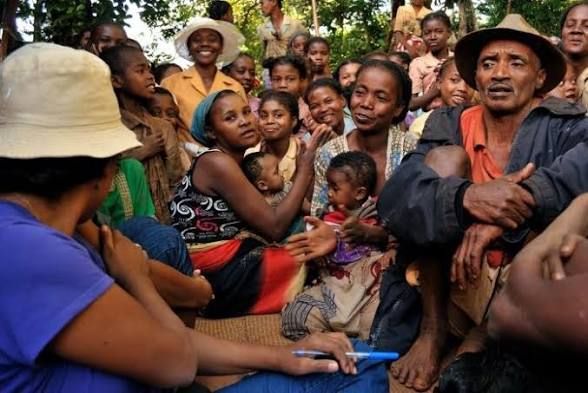
- This mix produced the Malagasy people, whose language and culture blend Asian and African roots.
Rise of Kingdoms (1500–1800s)
- Several kingdoms emerged, including:
- The in the central highlands
- The on the west coast
- The Merina kingdom gradually expanded under rulers like .
- By the early 19th century, the Merina monarchy controlled much of the island.
European Contact and Colonial Rule (1500–1960)
- Portuguese explorers first sighted Madagascar in 1500.
- The island later became a strategic stop for European traders.
- In 1895, invaded and colonized Madagascar.
- The monarchy was abolished, and Queen was exiled.
- Madagascar became a French colony, with major economic and social changes imposed.
Independence and Modern Era (1960–Present)
- Madagascar gained independence from France in 1960.
- The first president was .
- Post-independence history includes:
- Periods of socialist governance
- Political instability and coups (notably in 1972, 1991, and 2009)
- Today, Madagascar is a republic facing challenges such as poverty, environmental threats, and political reform.
Key Themes in Madagascar’s History
- Cultural fusion: A rare blend of Asian and African ancestry
- Geographic isolation: Helped preserve unique traditions and biodiversity
- Colonial legacy: Still influences language (French widely used) and institutions
- Political change: Repeated transitions between different governing systems
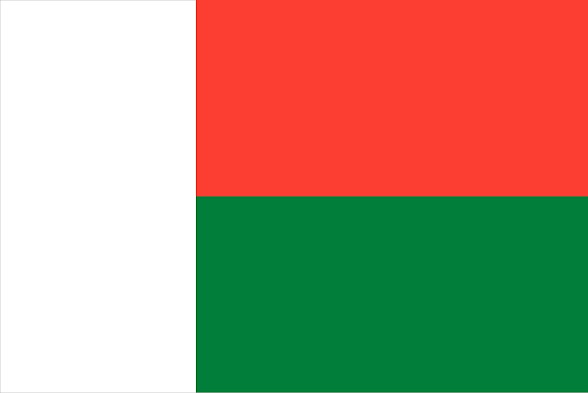
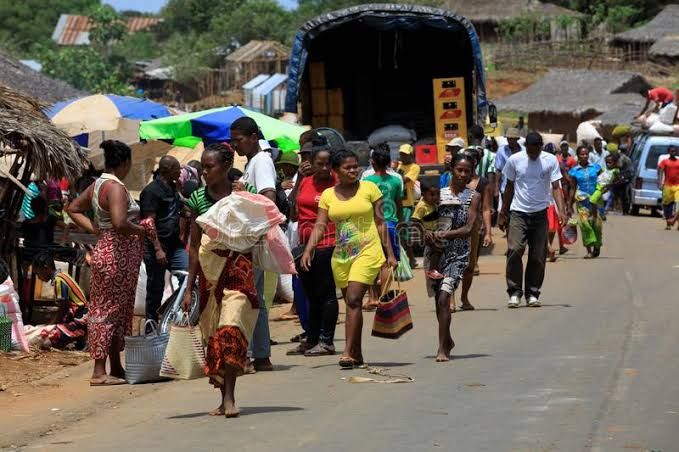

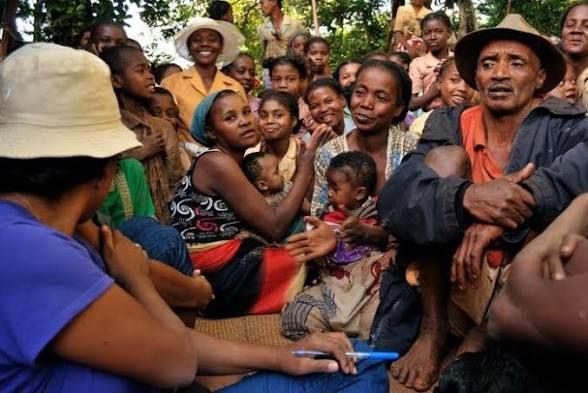
Madagascar is a large island country located off the southeast coast of Africa in the Indian Ocean. Its story is unique because it developed in relative isolation from the African mainland, which shaped its culture, people, and wildlife.
Early settlement
Madagascar was first settled by people from Southeast Asia (especially Indonesia and Malaysia) and later by migrants from Africa. This mix created the Malagasy people and the Malagasy language, which is related to languages in Borneo, not mainland Africa.
Kingdoms and early rule
By around the 16th–18th centuries, Madagascar was divided into several kingdoms. The most powerful was the Merina Kingdom in the central highlands. King Andrianampoinimerina and later his son Radama I expanded and unified much of the island under Merina rule.
European contact and colonization
European sailors arrived in the 1500s, including the Portuguese, followed by the French and British. Madagascar became important in trade routes, and European powers competed for influence.
In 1896, France officially colonized Madagascar after defeating the Merina Kingdom. The island became a French colony, and France controlled its government, economy, and education system.
Independence movement
In 1947, there was a major uprising against French rule, which was violently suppressed but became a symbol of resistance. After years of struggle, Madagascar finally gained independence on June 26, 1960.
Modern Madagascar
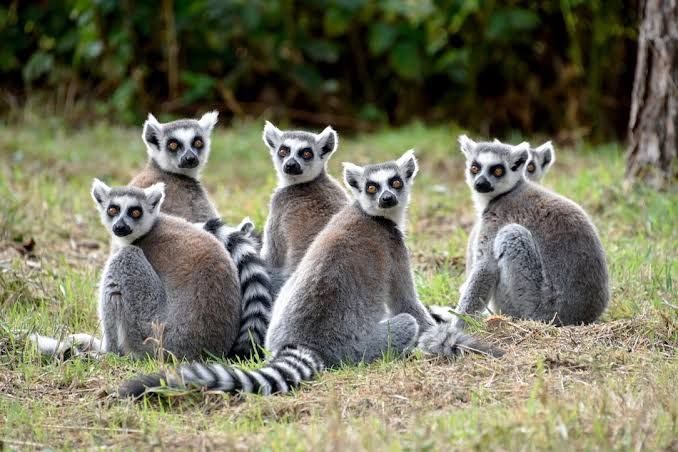
Since independence, Madagascar has experienced political instability, including coups and changes in government. Despite challenges, it remains known for its rich culture and extraordinary biodiversity—many animals and plants found there exist nowhere else on Earth, such as lemurs.
Today, Madagascar is working on development, tourism, and protecting its unique environment while building a stable economy.
 Welcome to facenotee👍🏿
Leave a comment