History of Lesotho
Early History
Long before modern borders, the land now called Lesotho was home to various Sotho-speaking communities. These groups lived through farming, cattle herding, and small-scale trade across the high mountains of southern Africa.
The region was shaped by frequent conflict in the early 1800s during a turbulent period known as the Mfecane, when many communities were displaced across Southern Africa.
Foundation of the Basotho Nation
A key figure in Lesotho’s history was Moshoeshoe I.
He united different Sotho clans and formed a strong kingdom in the early 19th century. To protect his people, he settled in a strong mountain fortress at Thaba Bosiu, which became the political and military heart of the Basotho nation.
From there, he used diplomacy and defense to protect his people from outside threats, building unity among the Basotho.



Contact with Europeans and Colonial Pressure
In the 1800s, European settlers (especially the Boers from the Orange Free State) began moving closer to Basotho land.
Conflicts over land and cattle led to several wars between the Basotho kingdom and Boer settlers. Despite strong resistance, the Basotho faced increasing pressure.
To protect the nation, Moshoeshoe I eventually sought British protection.
British Protectorate
In 1868, Basutoland (as it was then called) became a British protectorate.
Later:
In 1884, it became a formal British Crown colony The Basotho retained much of their internal culture and leadership system
Unlike many colonies, Lesotho was not fully integrated into South Africa, largely because of its strong identity and mountainous geography.
Independence
Lesotho gained independence from Britain on October 4, 1966.
The country became a constitutional monarchy, and King Moshoeshoe I’s descendants continued to play symbolic roles in national identity.
Its first Prime Minister was Leabua Jonathan, who led the early government after independence.
Modern History
Since independence, Lesotho has experienced:
periods of political instability military interventions and coups efforts to build democracy
Despite challenges, the country has maintained its independence and cultural unity.
Lesotho Today
Today, Lesotho is known as the “Kingdom in the Sky” because it is the only country in the world entirely above 1,000 meters in elevation.
It is famous for:
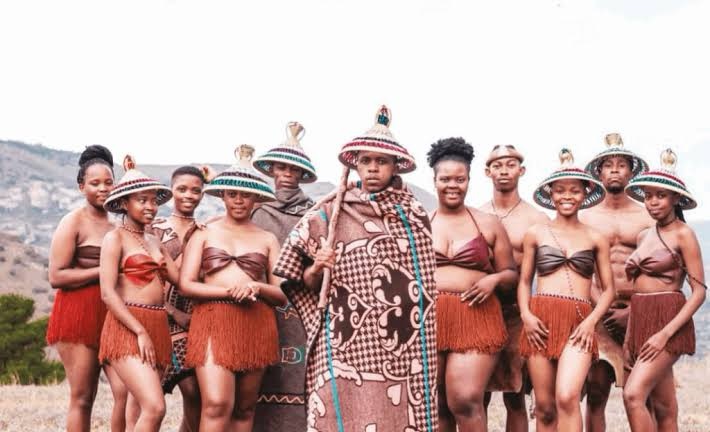
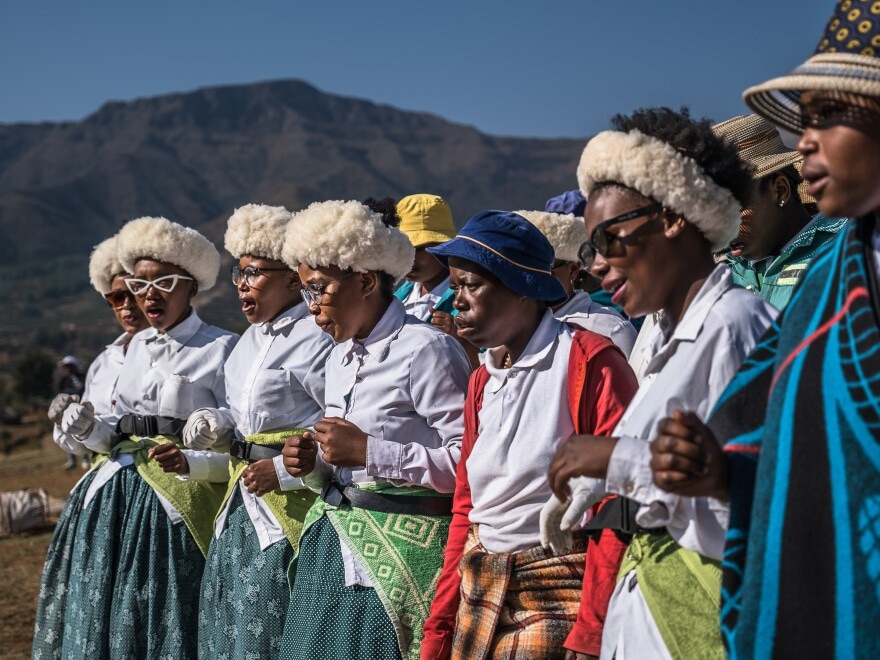
mountain landscapes traditional Basotho blankets and culture water resources exported to South Africa through major projects strong cultural identity
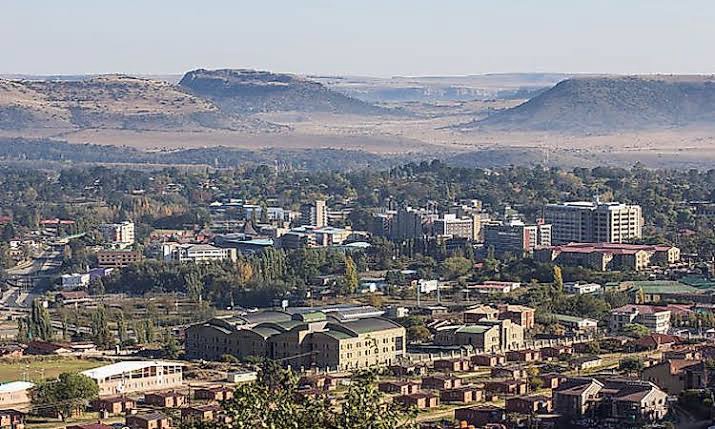
Its capital city is Maseru.
Independence Day
October 4, 1966
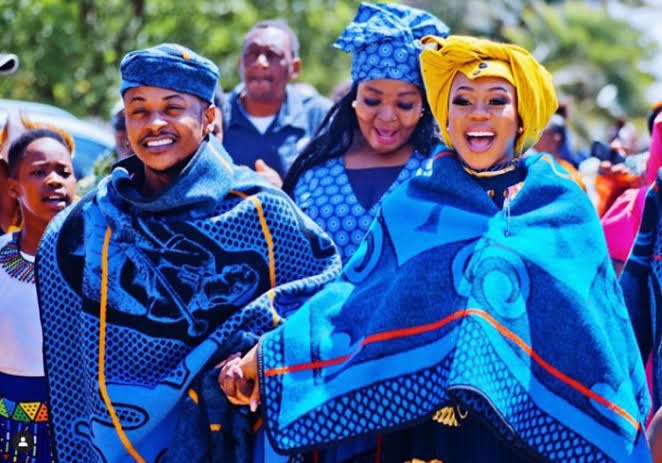
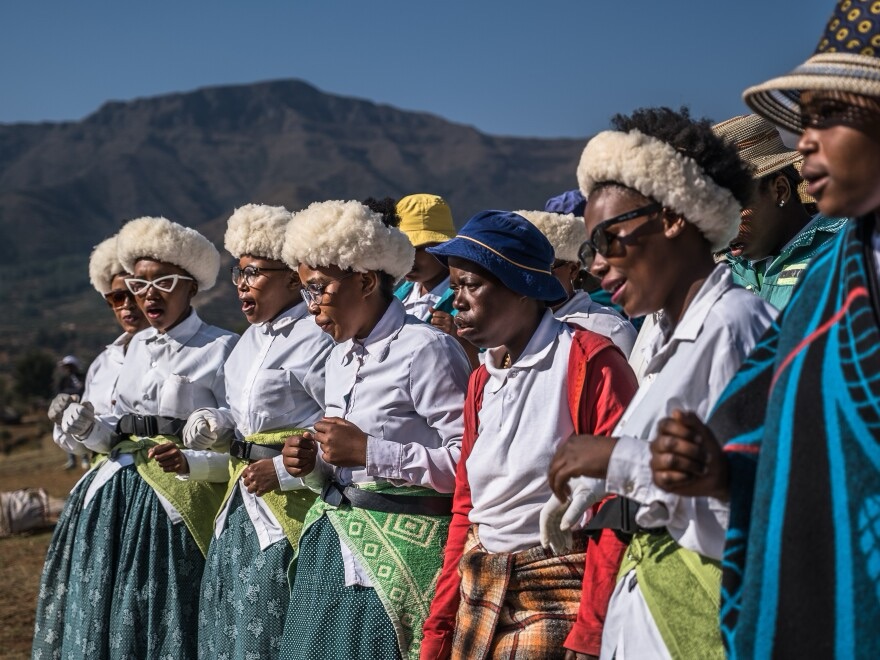
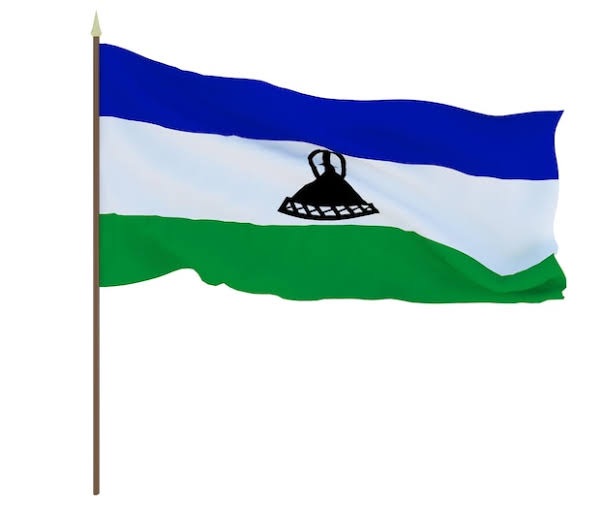
Lesotho’s history is a story of unity, survival in the mountains, resistance against invasion, and the determination of a small nation to remain independent and proud.
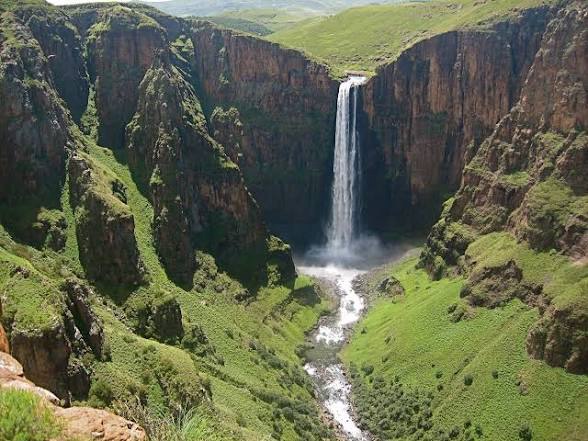
Long ago, in the high mountains of Southern Africa, there was a land now called Lesotho. It was a kingdom hidden among peaks and valleys, where clouds often touched the mountaintops and rivers cut through deep green cliffs. Life there was shaped by the mountains—strong, quiet, and resilient.
In those early days, many Sotho-speaking groups lived scattered across the region. They farmed, herded cattle, and lived in small communities. But the land was not peaceful. The early 1800s brought a time of great conflict across Southern Africa, known as the Mfecane, when many groups were forced to move and fight for survival.
Out of this difficult time rose a great leader, Moshoeshoe I. He was wise, calm, and strategic. Instead of dividing people, he brought them together. He gathered different clans and formed a united nation—the Basotho people.
To protect his people from enemies and raids, Moshoeshoe chose a powerful mountain fortress called Thaba Bosiu. From this flat-topped mountain, he could see far across the land, and it became the heart of the Basotho kingdom. It was said that no enemy could easily conquer it.
Moshoeshoe believed in peace and diplomacy as much as strength. When possible, he made alliances instead of war, helping his nation survive in a dangerous time.
But challenges continued. European settlers, especially Boer farmers, moved closer to Basotho land, leading to conflicts over land and cattle. Wars broke out, and the Basotho fought hard to defend their homeland.
Eventually, to protect his people from being completely taken over, Moshoeshoe asked the British for protection. In 1868, the land became a British protectorate known as Basutoland.
Even under colonial rule, the Basotho kept their identity, language, and traditions strong. The mountains helped preserve their independence of spirit.
After many years, on October 4, 1966, the land became fully independent and was renamed Lesotho. The people celebrated as a new nation was born in the sky-high mountains.
Its capital city, Maseru, became the center of government and modern life, while villages in the mountains continued traditional ways.
Today, Lesotho is still known as the “Kingdom in the Sky.” It is a land of strong culture, warm people, and breathtaking mountains. Its story is one of unity, survival, and pride—a small kingdom that stood strong against great challenges and kept its identity alive through time.
 Welcome to facenotee👍🏿
Leave a comment