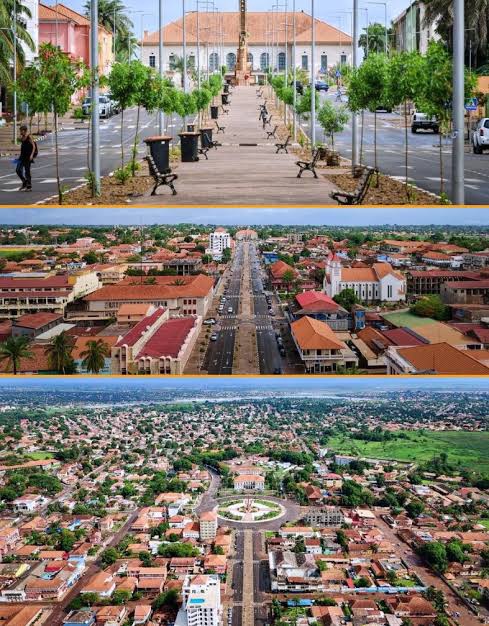
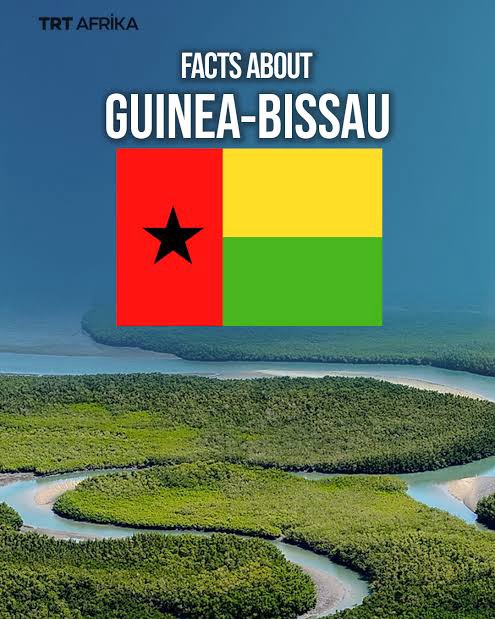
History of Guinea-Bissau
Early History
Before colonial rule, the land now called Guinea-Bissau was home to many ethnic groups such as the Balanta, Fula, Mandinka, Papel, Manjaco, and Bijagó peoples.
These communities lived through farming, fishing, trade, and local kingdoms. The region was influenced by large West African empires, especially the Mali Empire, which helped spread trade and Islam.
Gold, kola nuts, salt, and other goods moved through the region, linking it to wider West African trade networks.
Portuguese Arrival
In the 15th century, Portuguese traders arrived along the coast.
At first, they came mainly for trade, but later the region became deeply involved in the Atlantic slave trade. Many enslaved Africans were taken from this area and sent across the ocean.
The Portuguese gradually built stronger control over the coastal region.
Portuguese Colonial Rule
For many years, Guinea-Bissau was known as Portuguese Guinea.
Unlike some other colonies, Portugal held tight control for a very long time.
People faced forced labor, limited education, and colonial restrictions. Resistance against colonial rule grew stronger over time.
Fight for Independence
One of the most important leaders in Guinea-Bissau’s history was Amílcar Cabral.
He founded the PAIGC (African Party for the Independence of Guinea and Cape Verde) and led the struggle against Portuguese rule.
A long armed liberation war began in the 1960s.
Even after Cabral was assassinated in 1973, the movement continued.
Guinea-Bissau declared independence on September 24, 1973, and Portugal officially recognized it in 1974.
This was one of Africa’s most important anti-colonial victories.
After Independence
After independence, the country faced many political problems:
military coups economic struggles political instability leadership conflicts
Democracy developed slowly, and the country has continued to face challenges in governance.
Guinea-Bissau Today
Today, Guinea-Bissau is known for:
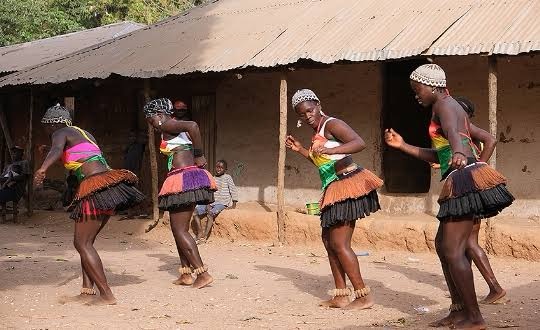
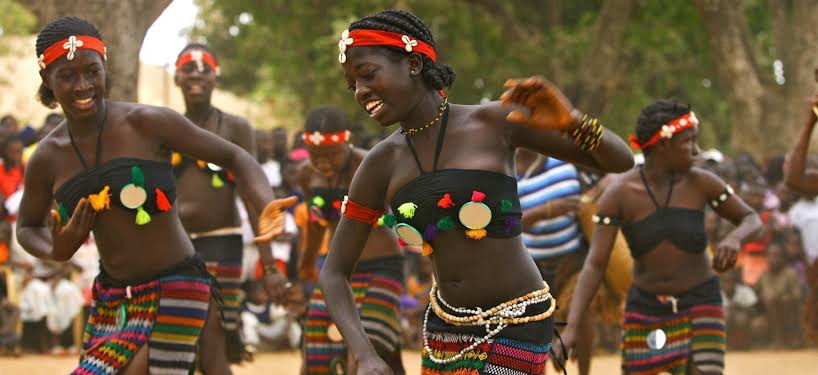
its many islands, especially the Bijagós Archipelago farming and cashew production rich cultural diversity music and traditional festivals
Its capital city is Bissau.
Important National Day
Independence Day: September 24, 1973
Guinea-Bissau’s history is a story of resistance, sacrifice, and the strong fight for freedom.
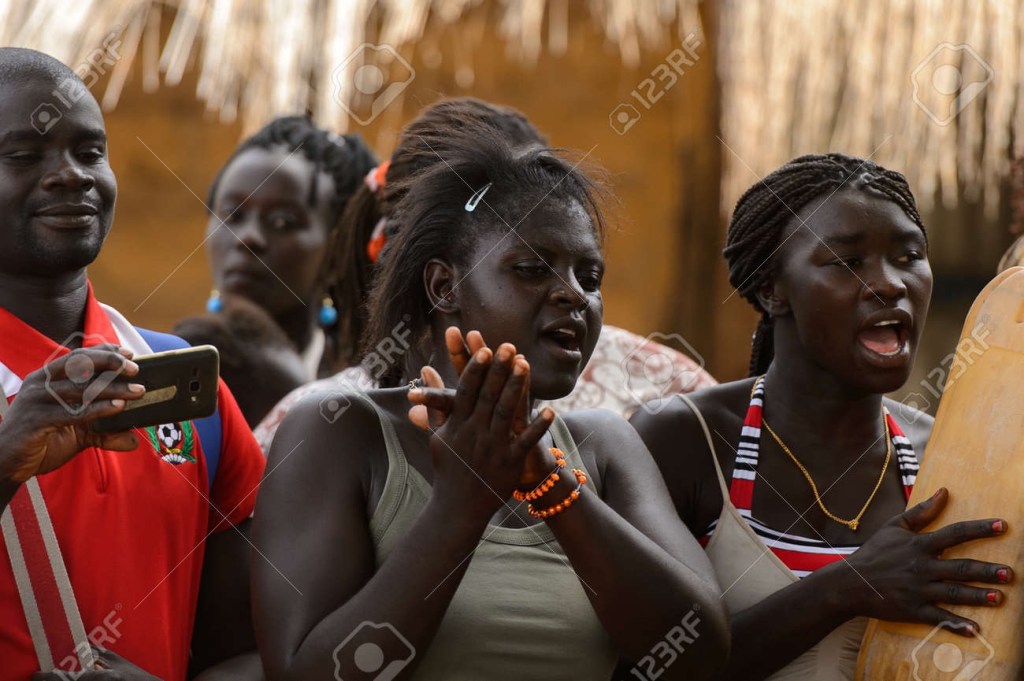
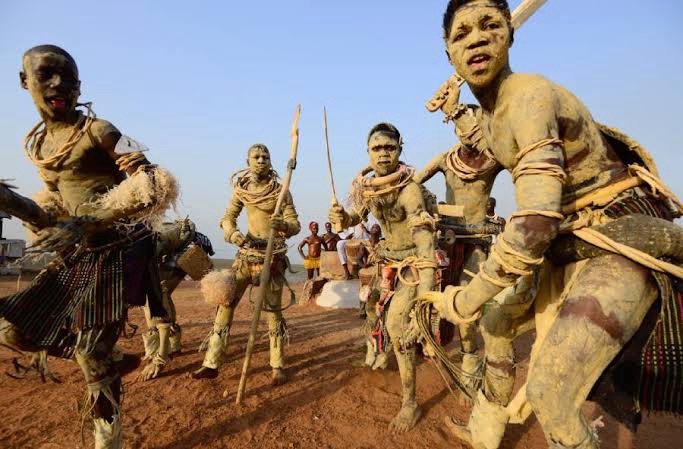
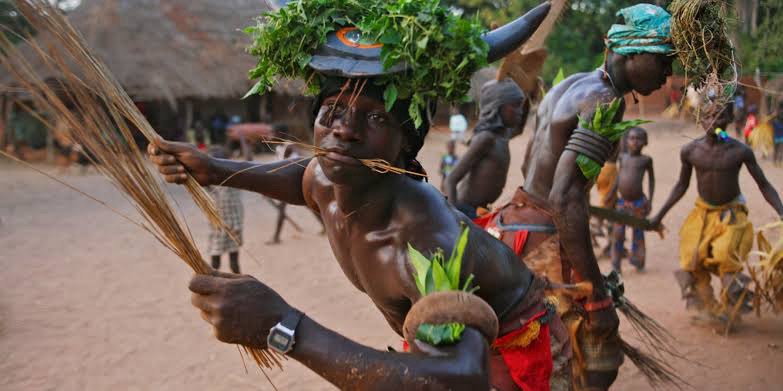
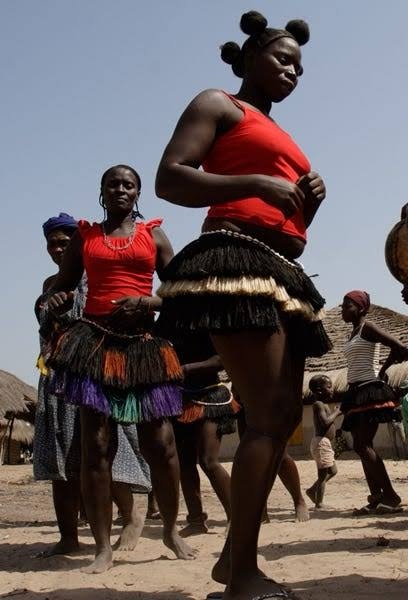
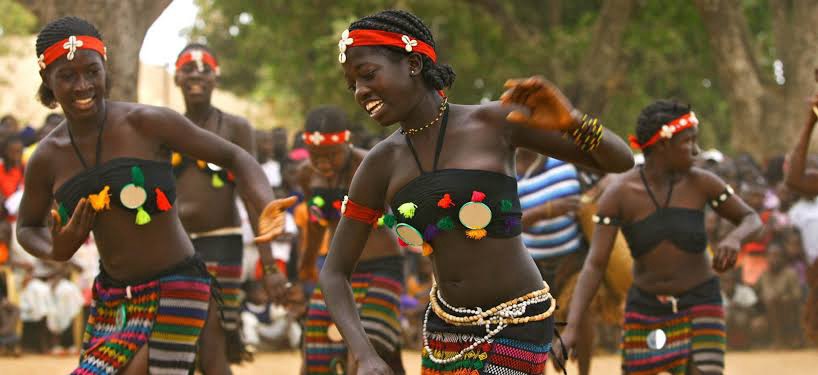
Long ago, in the land now called Guinea-Bissau, rivers flowed through green forests, fishermen sailed along the coast, and farmers worked the rich land. Villages were full of life, with music, dancing, and strong family traditions.
Many peoples lived there—the Balanta, Fula, Mandinka, Papel, Manjaco, and Bijagó. Each group had its own customs and language, but all shared a deep connection to the land and their communities.
The region was linked to the great Mali Empire, where trade and learning spread across West Africa. Merchants carried gold, salt, kola nuts, and stories from one place to another, while Islam grew through trade and scholarship.
In the 15th century, Portuguese ships arrived on the coast. At first, they came to trade, but soon darker times followed. The Atlantic slave trade brought great suffering. Many Africans were taken from their homes, families were separated, and communities were deeply hurt.
As time passed, Portugal made stronger control over the land, calling it Portuguese Guinea. Life under colonial rule was hard. Many people faced forced labor, unfair treatment, and little freedom. But the dream of independence never died.
Then came a brave leader named Amílcar Cabral.
Cabral believed his people deserved freedom and dignity. He helped create the PAIGC, a movement to fight for independence. He taught people that the struggle was not only about land, but about respect, identity, and justice.
In the 1960s, a long liberation war began against Portuguese rule. Villagers, farmers, and fighters joined together with courage and hope. Even after Cabral was assassinated in 1973, his dream lived on.
On September 24, 1973, Guinea-Bissau declared independence. In 1974, Portugal officially recognized it. The people celebrated with songs, drums, and pride, knowing they had won freedom through sacrifice and unity.
The years after independence were not always easy. There were political struggles and difficult times, but the spirit of the people remained strong.
Today, from the busy streets of Bissau to the beautiful Bijagós Islands, Guinea-Bissau stands as a symbol of resilience—a small nation with a powerful story of courage, resistance, and hope.
 ☄️WELCOME TO FACENOTEE.COM🕳️👍🏿
Leave a comment