History of Libya
Ancient History
Libya has one of the oldest histories in North Africa. In ancient times, it was home to Berber (Amazigh) peoples who lived in tribes across the desert and coastal regions.
Later, powerful civilizations influenced the area:
The Phoenicians established trading posts along the coast (around 1000 BC). The Greeks founded cities in eastern Libya, including Cyrene. The Romans later took control and made Libya part of the Roman Empire.
During Roman rule, Libya became an important agricultural and trading region, especially known for grain and olive oil.
Islamic Era
In the 7th century AD, Arab Muslim armies arrived in Libya.
Islam spread across the region. Arabic language and culture became dominant. Libya became part of successive Islamic empires, including the Umayyads and Abbasids.
Later, local dynasties and Ottoman rule shaped the region for centuries.
Ottoman Rule
From the 16th century, Libya was part of the Ottoman Empire.
It was governed loosely from Istanbul. Cities like Tripoli became important coastal centers. Local leaders often had significant independence in practice.
Italian Colonization
In 1911, Italy invaded Libya and began colonial rule.
Libya became an Italian colony. Many Libyans resisted occupation, especially under leaders like Omar Mukhtar. Resistance was strong but brutally suppressed.
Italy controlled Libya until World War II.
Independence
After World War II, Libya came under British and French administration temporarily.
On December 24, 1951, Libya became independent as:
The Kingdom of Libya Led by King Idris I of Libya
It was one of the first African countries to gain independence after WWII.
Gaddafi Era
In 1969, a military coup led by Muammar Gaddafi overthrew the monarchy.
Gaddafi ruled for over 40 years.
Key features of his rule:
Socialist-inspired political system Oil nationalization Strong central control of government Pan-African and Arab unity ideas
2011 Revolution and Civil War
In 2011, during the Arab Spring, protests began against Gaddafi’s rule.
The protests turned into civil war Gaddafi was overthrown and killed in 2011
After this, Libya entered a period of instability with competing governments and armed groups.
Libya Today
Today, Libya is still working toward political stability.
It is known for:
large oil reserves (one of Africa’s richest in oil) vast Sahara Desert landscapes Mediterranean coastline ancient historical sites
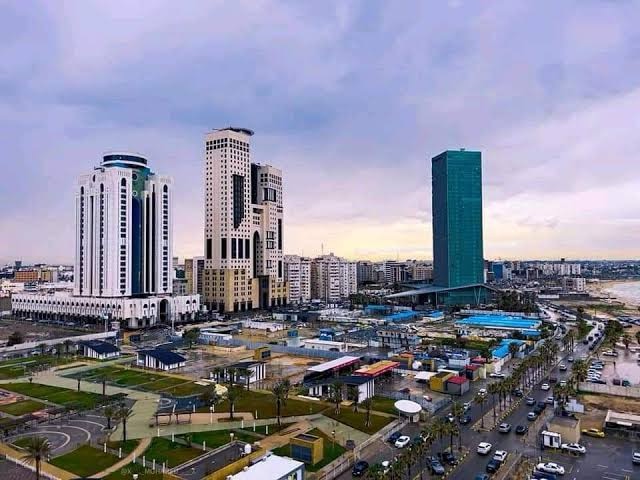
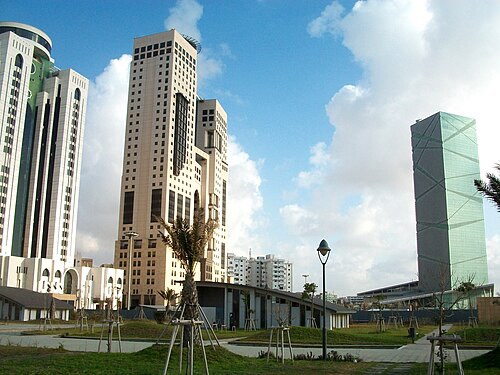
Its capital city is Tripoli.
Independence Day
December 24, 1951
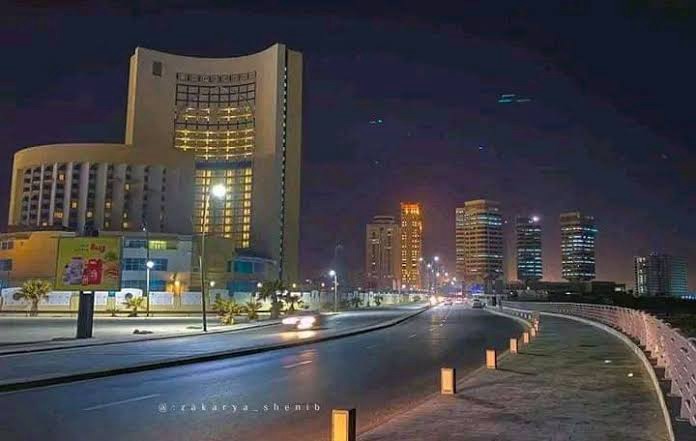
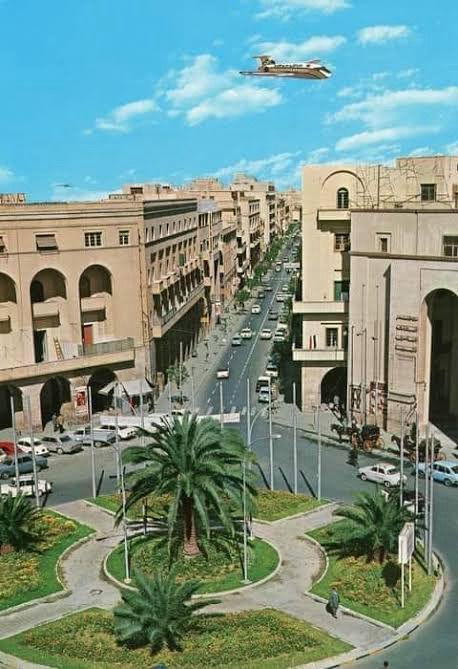
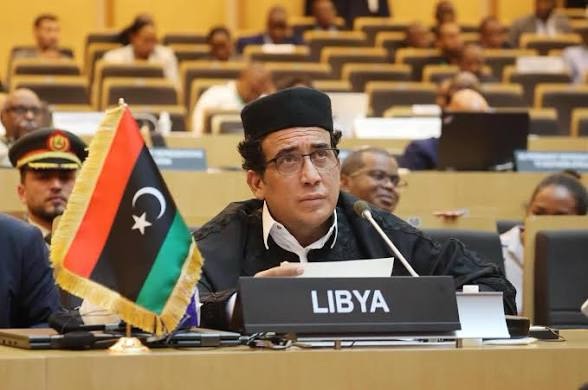


Libya’s history is a long journey from ancient civilizations, through empires and colonization, to modern struggles for unity and peace in a resource-rich land.
Long ago, in the vast desert and coastal lands now called Libya, people lived between two worlds—the golden sands of the Sahara and the blue waters of the Mediterranean Sea. Ancient Berber (Amazigh) tribes moved across the land, building lives around trade routes, oases, and survival in the desert.
Over time, Libya became a crossroads of civilizations. The Phoenicians arrived first along the coast, building trading posts and connecting the land to the wider Mediterranean world. Later, the Greeks founded beautiful cities in the east, including Cyrene, where philosophy, art, and learning flourished. After them came the Romans, who turned Libya into an important province known for grain, olives, and trade.
Centuries passed, and in the 7th century, Arab Muslim armies arrived. Islam spread across the land, shaping language, culture, and daily life. Libya became part of the wider Islamic world, connected to powerful empires and trade networks.
For many years, Libya was ruled by different empires, and eventually it came under Ottoman control. Cities like Tripoli grew as busy coastal centers where merchants, sailors, and travelers passed through.
But a new struggle came in the early 1900s when Italy invaded Libya. Colonial rule brought hardship, and many Libyans resisted strongly. One of the most famous resistance leaders was Omar Mukhtar, who fought bravely to defend his land and people in the desert.
After years of struggle and World War II changes, Libya finally gained independence on December 24, 1951. It became a kingdom led by Idris I of Libya. People celebrated freedom and hoped for peace and stability.
But in 1969, a young military officer named Muammar Gaddafi led a revolution that changed the country again. His long rule brought major changes in politics, society, and oil wealth, but also strict control.
In 2011, protests grew across the country, and Libya entered a major revolution. The government collapsed, and Gaddafi was removed from power. After that, Libya faced a difficult period of conflict and division as different groups struggled for control.
Today, Libya is still on a journey toward peace and unity. Its capital, Tripoli, remains a center of life and history. From ancient ruins to desert caravans and modern cities, Libya’s story is one of civilizations rising and falling, of struggle and resilience, and of a nation still shaping its future under the desert sun.
 ☄️WELCOME TO FACENOTEE.COM🕳️👍🏿
Leave a comment