
Zinc oxide
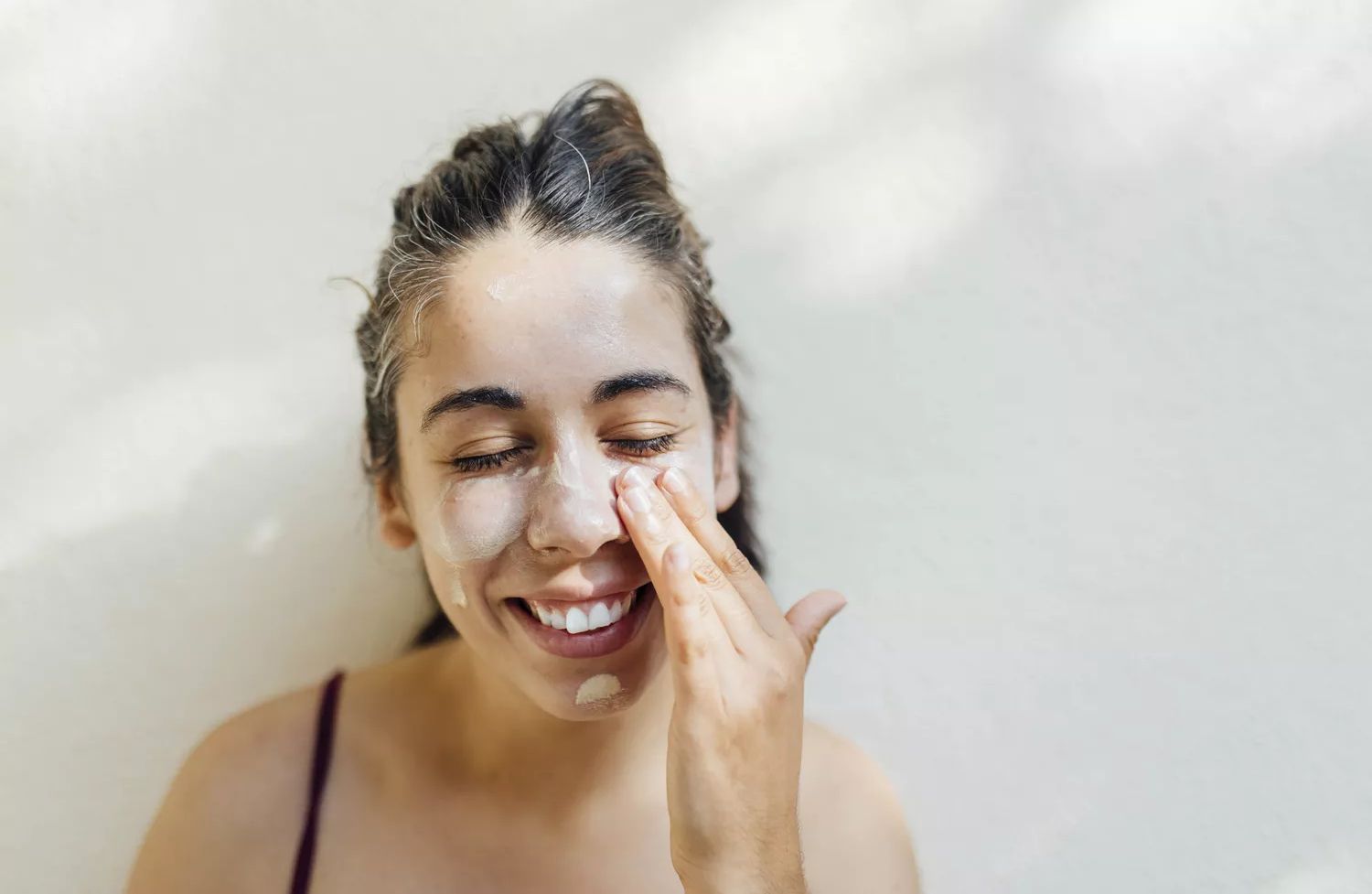
Zinc oxide is the main ingredient in mineral sunscreens. It is a fine, white powder that is either synthetic or derived from the mineral zincite. Zinc oxide helps form a physical barrier on your skin to reflect and absorb the sun’s UVA and UVB rays. It is also used in other skincare products to help protect and soothe irritated skin.1
Zinc oxide can be a great ingredient to protect your skin from irritation and the sun.1 However, there are some claims that zinc oxide nanoparticles can enter the bloodstream through your skin and accumulate in your organs. So, is zinc oxide as effective and safe as some people think?
Here’s what to know about its risks and benefits.
Is Zinc Oxide Safe for Your Skin?
Zinc oxide is considered safe when used in mineral sunscreen and skin care products like calamine lotion, ointments, and diaper creams.1 It’s one of two sunscreen ingredients the U.S. Food and Drug Administration (FDA) categorizes as GRASE (generally recognized as safe and effective).2
However, many mineral sunscreens have tiny zinc oxide nanoparticles that help reduce the white cast it can leave on your skin and smooth its coarse texture.1 Some people think that these particles can enter your bloodstream and that high concentrations of zinc oxide build-up in your organs could lead to potentially carcinogenic effects, DNA damage, and inflammation linked to cancer and infertility.3 But is there any truth to those claims?
Most research has found that zinc oxide sunscreen has low concentrations of zinc oxide nanoparticles, which can’t significantly penetrate the skin or enter the bloodstream. Researchers have also found that zinc oxide nanoparticles barely penetrate the epidermis, the top layer of the skin, which would make it difficult to reach the bloodstream.4
Benefits of Zinc Oxide for Skin
Zinc oxide is primarily known as an ingredient in mineral sunscreens, but it can also protect your skin in other ways.1
Sun Protection
Zinc oxide creates a physical barrier over your skin that absorbs and reflects a broad spectrum of UVA and UVB rays that can burn and damage it. Regularly using sun protection containing zinc oxide reduces your risk of sunburn and sun exposure, which can lead to skin cancer and premature aging.45
Exposure to UV rays increases your risk of skin cancers like melanoma, basal cell carcinoma, and squamous cell carcinoma.5
Wound Protection and Healing
Zinc oxide is often an active ingredient in calamine lotion, hemorrhoid creams, ointments, and diaper rash creams. Its ability to create a protective layer on the skin helps prevent friction and soothe irritated skin in conditions like eczema, minor burns, diaper rashes, and hemorrhoids. It also helps speed up and promote healing.61
Zinc oxide helps stop oozing from skin that is irritated by poison ivy, poison sumac, and poison oak.7
Potential Risks and Considerations
Zinc oxide sunscreen or skincare products are typically safe for most people. However, there are some considerations:
Some people may be allergic to zinc oxide. You may experience swelling, itching, and rashes.
It can be drying and may irritate already dry skin. If you’re new to zinc oxide, always do a patch test before slathering it over your skin.6
It usually leaves a white cast on your skin. People with darker skin tones may also find that zinc oxide sunscreens leave a white or gray cast on their skin, making it difficult to blend in. A white cast is less likely with nanoparticle zinc oxide sunscreens or tinted sunscreens.3
It’s not suitable for newborns and babies under six months. While babies are prone to sunburn, their delicate skin makes them more likely to experience skin irritation and rashes from sunscreen. Instead, keep young babies out of the sun with shade, hats, and lightweight clothing.8
Leave a Reply