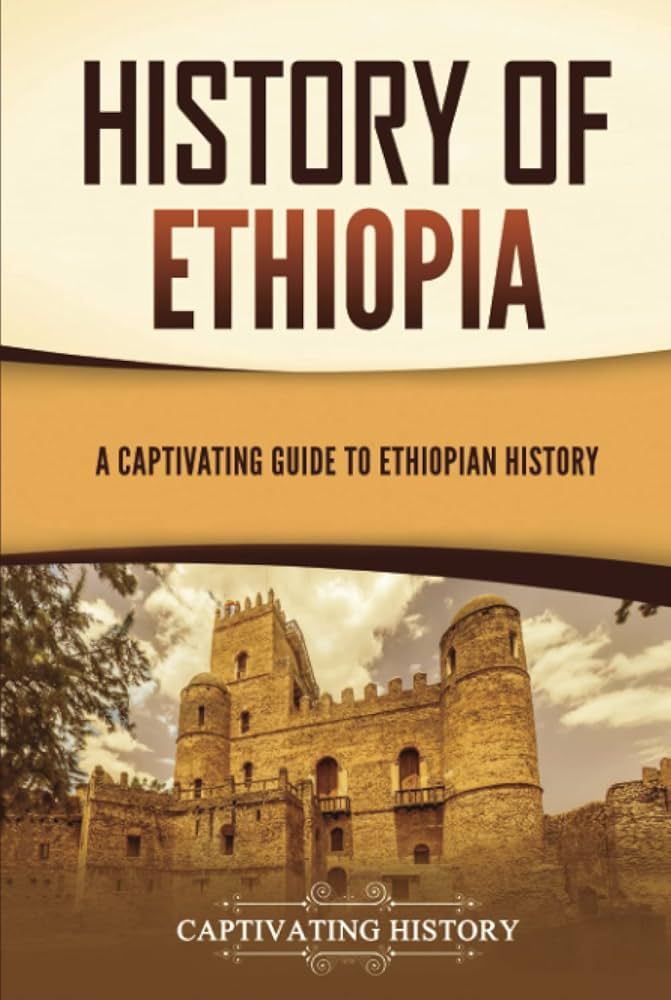
Ancient History
- Ancient Civilization: Ethiopia is one of the oldest civilizations in the world, with evidence of ancient kingdoms like Axum and D’mt.
- Unique Cultural Heritage: Ethiopia has a rich cultural heritage, with a unique alphabet, language, and Christian tradition.
Medieval and Modern History
- Medieval Kingdoms: Ethiopia was home to powerful medieval kingdoms, including the Solomonic dynasty.
- Italian Occupation: Ethiopia was occupied by Italy from 1936 to 1941.
- Modernization: After independence, Ethiopia underwent modernization efforts, with a focus on education, infrastructure, and economic development.
Cultural Heritage
- Rock-Hewn Churches: Ethiopia is famous for its rock-hewn churches in Lalibela, a UNESCO World Heritage Site.
- Traditional Music and Dance: Ethiopian music and dance are known for their unique rhythms and styles.
- Cuisine: Ethiopian cuisine is famous for its spicy stews (wats) and injera bread.
Challenges and Opportunities
- Economic Growth: Ethiopia has experienced rapid economic growth, driven by investments in infrastructure and agriculture.
- Challenges: The country faces challenges like poverty, conflict, and climate change.
- Resilience: Ethiopians are known for their resilience and determination, shaping the country’s future.
Ethiopia’s history is complex and multifaceted, with both challenges and opportunities for the future.


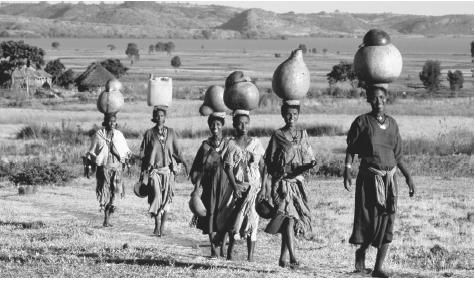
Here’s a story about life in Ethiopia:
The Cradle of Humanity
In the Horn of Africa lies Ethiopia, a land of ancient history, stunning natural beauty, and vibrant culture. The sun rises over the highlands, casting a warm glow over the bustling cities and rural landscapes.
Rural Life
In the countryside, life is centered around traditional practices. People cultivate crops like teff, wheat, and barley, and herd livestock like cattle and sheep. The Ethiopian people take great pride in their cultural heritage and traditional way of life.
Cultural Heritage
Ethiopia’s culture is a rich blend of ancient traditions and modern influences. The country’s music, dance, and art reflect its diverse history and cultural diversity. Traditional clothing, like the habesha kemis, is worn with pride.
Urban Life
In Addis Ababa, the capital city, life is a blend of modernity and tradition. People work in government, business, and education, and enjoy the city’s vibrant markets, restaurants, and cultural events.
Natural Beauty
Ethiopia’s diverse landscapes range from the stunning Simien Mountains to the beautiful Lake Tana and the Blue Nile Gorge. The country’s natural beauty and wildlife offer opportunities for tourism and outdoor activities.
Resilience and Hospitality
Despite challenges, the Ethiopian people are known for their resilience and hospitality. Visitors are often greeted with warm smiles and open arms, reflecting the country’s strong sense of community and cultural heritage.
A Bright Future
As the sun sets over Ethiopia, the country looks towards a bright future. With its stunning natural beauty, rich cultural heritage, and resilient people, Ethiopia is a land of opportunity and promise.
The story of Ethiopia is one of the oldest and most remarkable in Africa.
Ancient Ethiopia was home to the powerful Kingdom of Aksum, which grew around the 1st century CE. Aksum became rich through trade with Rome, Arabia, and India. It was famous for its tall stone monuments called stelae.
In the 4th century, King Ezana of Aksum made Christianity the official religion, making Ethiopia one of the first Christian nations in the world.
Later, the Zagwe and Solomonic dynasties ruled the land. Ethiopian tradition says its royal family descended from King Solomon and the Queen of Sheba.
In the late 1800s, European powers were colonizing Africa, but Ethiopia resisted. Under Emperor Menelik II, Ethiopia defeated Italy at the famous Battle of Adwa in 1896. This victory made Ethiopia one of the few African countries to avoid long-term colonization.
However, Italy invaded again in 1935 under Benito Mussolini. Emperor Haile Selassie resisted, and with help during World War II, Ethiopia regained independence in 1941.
In 1974, Haile Selassie was removed, and the Derg military government took power. This period brought hardship, famine, and conflict.
In 1991, the Derg government fell, and Ethiopia became a federal republic. In recent years, the country has continued to face both development and political challenges.
Today, Ethiopia is known for its ancient history, unique calendar, coffee origins, and cultural heritage. Its capital city is Addis Ababa, which is also an important center for African diplomacy.
 ☄️WELCOME TO FACENOTEE.COM🕳️👍🏿