Cote divoire history spans thousands of years, from ancient civilizations to colonial rule and modern-day independence. Here’s a brief overview
Ancient History
Early Inhabitants: The territory that is now Côte d’Ivoire has been inhabited for thousands of years, with evidence of ancient civilizations such as the Akan and Kru peoples.
Kingdoms and Empires: Various kingdoms and empires, including the Ashanti and Baoulé, have shaped the region’s history.
Colonial Era
French Colonization: Côte d’Ivoire was colonized by France in the late 19th century.
Colonial Legacy: The French imposed their own system of governance, economy, and culture, which had a lasting impact on the country.
Independence
Independence: Côte d’Ivoire gained independence from France on August 7, 1960, with Félix Houphouët-Boigny as its first president.
Economic Growth: The country experienced significant economic growth, driven by agriculture, particularly cocoa production.
Modern-Day Challenges
Political Instability: Côte d’Ivoire has faced periods of political instability, including civil wars and electoral disputes.
Economic Development: The country continues to work towards economic development, diversifying its economy and improving infrastructure.
Cultural Heritage
Diverse Culture: Côte d’Ivoire is home to over 60 ethnic groups, each with its unique traditions and customs.
Music and Dance: The country’s music and dance are known for their energetic rhythms and vibrant performances.
Côte d’Ivoire’s history is complex and multifaceted, with both challenges and opportunities for the future.
Here’s a story about life in Côte d’Ivoire:
The Land of Warmth
In West Africa lies Côte d’Ivoire, a land of vibrant culture, stunning natural beauty, and warm hospitality. The sun rises over the lush forests, casting a warm glow over the diverse landscapes.
Rural Life
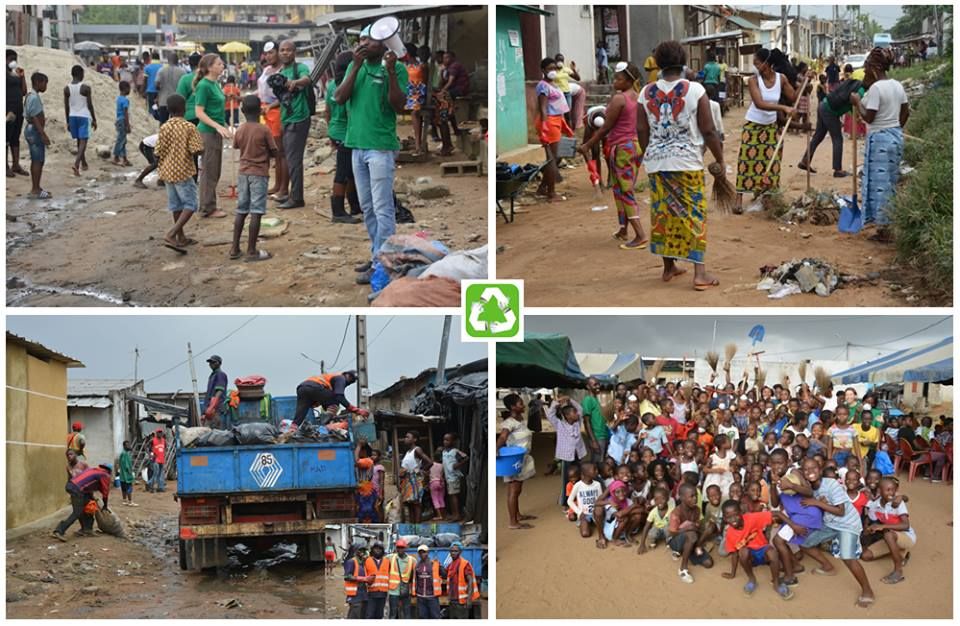
In the countryside, life is centered around traditional practices. People cultivate crops like cocoa, coffee, and yams, and live in harmony with the land. The Ivoirian people take great pride in their cultural heritage and traditional way of life.
Cultural Heritage
Côte d’Ivoire’s culture is a rich blend of traditional and modern influences. The country’s music, dance, and art reflect its diverse history and cultural diversity. Traditional clothing, like the kaftan, is worn with pride.
Urban Life
In Abidjan, the economic capital, life is a blend of modernity and tradition. People work in business, industry, and government, and enjoy the city’s vibrant markets, restaurants, and cultural events.
Natural Beauty
Côte d’Ivoire’s diverse landscapes range from the stunning beaches along the Gulf of Guinea to the lush forests and wildlife-rich national parks. The country’s natural beauty and wildlife offer opportunities for tourism and outdoor activities.
Resilience and Community
Despite challenges, the Ivoirian people are known for their resilience and strong sense of community. Visitors are often greeted with warm smiles and open arms, reflecting the country’s cultural heritage.
A Bright Future
As the sun sets over Côte d’Ivoire, the country looks towards a bright future. With its stunning natural beauty, rich cultural heritage, and resilient people, Côte d’Ivoire is a land of opportunity and promise.
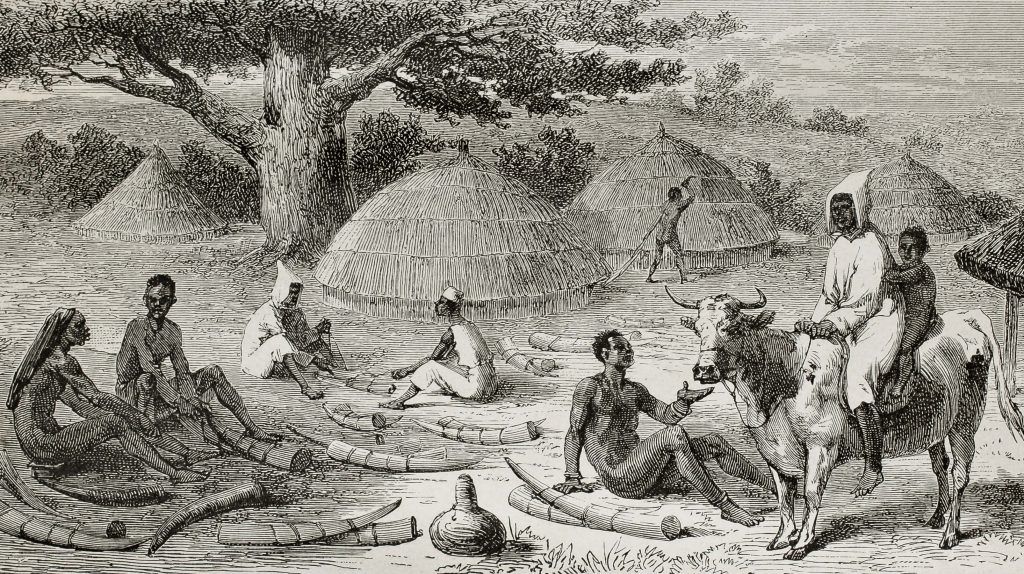
The story of (also called Ivory Coast) is rich in culture, trade, and change. Long ago, many ethnic groups such as the Akan, Kru, Gur, and Mandé peoples lived in the area. Powerful kingdoms like the Baoulé and Kong kingdoms grew through farming, gold trade, and connections with trans-Saharan trade routes. In the 15th century, European traders, especially the Portuguese and later the French, arrived along the coast. They traded goods such as ivory, gold, and sadly, enslaved people. Because of the large ivory trade, the area became known as the “Ivory Coast.” In the late 1800s, took control of the region during the colonial period. In 1893, Côte d’Ivoire officially became a French colony. The French developed cocoa and coffee farming, using forced labor and strict colonial rule. After World War II, African leaders began demanding independence. One important leader was , who worked for peaceful change. On August 7, 1960, Côte d’Ivoire gained independence from France, and Houphouët-Boigny became its first president. Under his leadership, the country became one of West Africa’s strongest economies, especially through cocoa production. After his death in 1993, political problems and struggles over leadership increased. This led to instability and civil conflicts in the 2000s. Today, Côte d’Ivoire is rebuilding and remains one of Africa’s largest cocoa producers. Its main city is , while its official capital is . It is known for its music, culture, football, and strong agricultural economy.
Here’s a story about life in Comoros: The Island Nation Located in the Indian Ocean, Comoros is an archipelago of four islands. The sun rises over the turquoise waters, casting a warm glow over the lush green landscapes and vibrant communities. Island Life Life in Comoros is relaxed and laid-back, with a strong sense of community. People gather on the beaches, in markets, and at cultural events, enjoying the warm climate and stunning natural beauty. Cultural Heritage Comoros has a unique culture that blends African, Arab, and French influences. The country’s music and dance are known for their energetic rhythms and vibrant performances, reflecting the islands’ rich cultural heritage. Economic Challenges Comoros faces economic challenges, including limited infrastructure and a dependence on agriculture and fishing. However, the country is also working to develop its tourism industry, leveraging its stunning natural beauty and rich cultural heritage. Resilience and Hospitality Despite challenges, the people of Comoros are known for their resilience and hospitality. Visitors are often greeted with warm smiles and open arms, reflecting the country’s strong sense of community and cultural heritage. A Bright Future As the sun sets over Comoros, the country looks towards a bright future. With its stunning natural beauty, rich cultural heritage, and resilient people, Comoros is a land of opportunity and promise.
Privacy & Cookies: This site uses cookies. By continuing to use this website, you agree to their use. To find out more, including how to control cookies, see here: Cookie Policy.


 Welcome to facenotee👍🏿