Google’s Performance Max (PMax) campaign type has reached its third anniversary. It has evolved from what critics called “an experiment funded by advertisers” into a mature advertising solution that’s reshaping digital marketing across platforms, according to Mike Ryan, head of ecommerce insights at Smarter Ecommerce.
By the numbers. Here are some of the key findings from Smarter Ecommerce internal data:
PMax cost share peaked at nearly 82% in May 2024.
It has since declined about 0.65% per month, losing ~6% share since peak.
90% of PMax costs typically come from feed-based ads.
PMax campaigns need at least 30 monthly conversions (ideally 60+) for optimal performance.
Cautious optimism. Is PMax’s recent decline in adoption a temporary setback or a signal of broader advertiser dissatisfaction? Based on recent feature additions, Ryan said he’s “cautiously optimistic” about the future of PMax.
State of play: Most advertisers maintain 3-7 PMax campaigns per account, with evidence showing that excessive segmentation can hurt performance. The data shows a strong preference for Maximize Conversion Value over Maximize Conversions bidding strategies.
Why we care. PMax campaigns represent a significant advertising evolution, leveraging AI to optimize ad placements across Google’s network, including Search, Display, YouTube, and more. Despite some recent decline in adoption, PMax continues to improve with added controls and features, making it a key tool for maximizing conversions and ROI across multiple platforms.
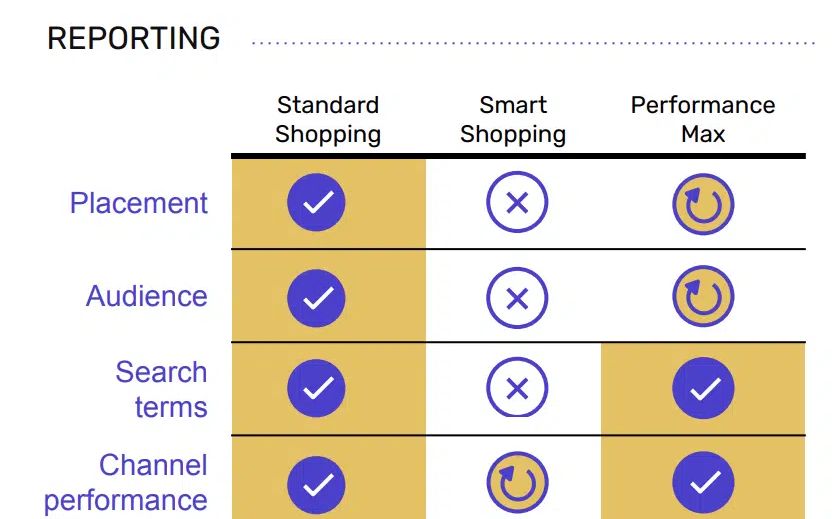
What’s next: Google might be increasing PMax’s feature parity with Standard Shopping to eventually deprecate the latter, continuing a pattern that already saw Dynamic Search Ads decline after PMax’s rollout, Ryan theorized.


You must be logged in to post a comment.